 Ferndale Siding
 Exterior Work on Lummi Island: What Makes It Different
Lummi Island sits apart from the rest of Whatcom County in a literal sense — you get there by ferry, and that changes how exterior work gets planned and scheduled. It also sits apart in a climate sense. Being surrounded by water means homes here take on a steady dose of salt-laden air, near-constant marine humidity, and wind that isn't buffered by the tree cover and terrain that shelter more inland Ferndale neighborhoods. Add in the long gray stretch of fall and winter when moss and algae get a running start on any north-facing wall or shaded roof plane, and you've got a building envelope that works harder than most.
None of that is a reason to avoid building or renovating on the island — plenty of homes here have stood up fine for decades. It's a reason to be deliberate about material choice and installation detail, because the margin for error is smaller than it is on a dry, inland lot.
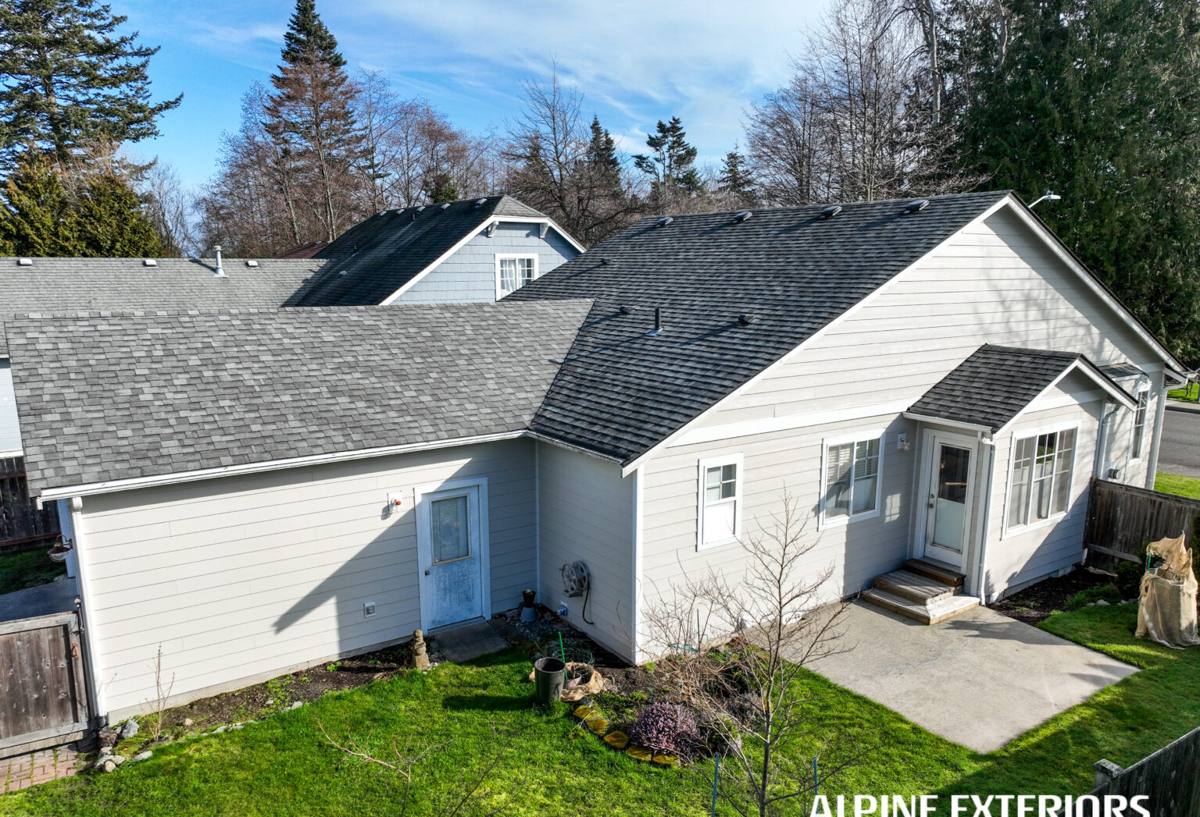
What the Climate Actually Does to a House
Salt Air and Metal Fasteners
Salt-laden air accelerates corrosion on anything metal that isn't rated for coastal exposure — fasteners, flashing, trim screws, even some hardware finishes. On siding and trim work, that means the difference between a fastener that holds paint and shape for 20 years and one that starts bleeding rust streaks down the face of the house within a few seasons. This is a spec detail most homeowners never think to ask about, but it matters more here than almost anywhere else in the county.
Driving Rain and Wind-Driven Water
Water on an island isn't just rain falling straight down — wind off the water pushes it sideways, into laps, seams, and anywhere a wall assembly has a weak point. Homes on more exposed sides of the island catch this worse than sheltered ones, but every structure out here deals with more wind-driven moisture than a comparable home a few miles inland. That makes water-resistive barrier detailing, proper flashing, and correctly lapped siding courses non-negotiable, not optional upgrades.
Moss, Algae, and the Long Wet Season
Whatcom County's wet season stretches long, and shaded or north-facing surfaces on Lummi Island stay damp longer than sun-exposed ones. Moss and algae take hold on any surface that can't shed water and dry out reasonably fast — roofing, siding, decking, even trim. Left alone, that growth holds moisture against the material and speeds up whatever deterioration process is already underway underneath it.
Siding: Why We Only Install James Hardie Here
Our company installs James Hardie fiber cement siding exclusively — we don't install vinyl, LP SmartSide, cedar, primed spruce, or other fiber cement brands. On an island lot dealing with salt air and driving rain, that standard isn't a marketing position, it's a practical one.
- Non-combustible core: Fiber cement doesn't feed a fire the way wood-based or vinyl products can, which matters on any property, coastal or not.
- Engineered for wet marine climates: Hardie's HZ10 product line is specifically engineered for regions with prolonged moisture exposure and freeze-thaw cycling — a closer match to Whatcom County's coastal conditions than a generic national product.
- ColorPlus factory finish: A baked-on factory finish holds color and resists the fading and chalking that field-applied paint struggles with under constant sun-and-salt cycling.
- Doesn't rot, delaminate, or attract pests: Wood-based siding products can be excellent when maintained relentlessly, but on a low-maintenance-preference island property, avoiding rot and delamination risk outright is worth a lot.
We're not going to tell you every other siding product is junk — vinyl and engineered wood sidings have real markets and real strengths in the right setting. But we've made a professional call that on the coastal exposure profile common to Lummi Island and the rest of our marine-influenced service area, Hardie fiber cement gives homeowners the best combination of longevity, low maintenance, and appearance retention. It's the only product we put our name behind.
Roofing on an Island Lot
Roofs on Lummi Island fight the same battles siding does — wind uplift on exposed sites, moss colonization on shaded slopes, and accelerated wear on fasteners and flashing from salt air. A roof replacement or repair out here isn't just about matching shingles; it's about getting the underlayment, ventilation, and flashing details right so the assembly can actually handle the exposure. Proper attic and roof ventilation also matters more on the island, since trapped moisture under a roof deck in a persistently humid marine climate accelerates sheathing decay in a way it might not in a drier inland location.
Windows: Sealing Out Salt Air and Wind-Driven Rain
Older windows on coastal properties tend to show their age faster — failed seals, fogged double-pane glass, and frames that have taken on moisture damage from years of wind-driven rain finding its way past worn weatherstripping. When we replace windows on an island home, the flashing and sealing detail around the rough opening gets the same level of attention as the window unit itself, because a well-built window installed with sloppy flashing will still let water into the wall assembly. That's doubly true here, where wind pushes water sideways into places it wouldn't normally reach on a sheltered inland home.
Decks: Built for Salt, Sun, and Standing Moisture
A deck on Lummi Island typically faces more combined stress than one a few miles inland — salt air accelerates fastener corrosion, and any low spot or poor drainage on the deck surface holds moisture longer given the local humidity. Composite decking has become a popular choice for island properties specifically because it resists the rot and splintering that untreated or under-maintained wood decking is prone to in this kind of environment. Whatever decking material a homeowner chooses, proper joist spacing, corrosion-resistant fasteners, and drainage planning underneath the deck surface matter more here than in a drier part of the county.
Planning Exterior Work Around Ferry Access
Working on the island means building material deliveries and crew logistics around the ferry schedule, not the other way around. A crew that regularly works Lummi Island projects plans material staging and daily scheduling with that constraint built in from the start, rather than discovering it mid-project. That's part of why a genuinely local crew — one that already knows what island logistics involve — tends to keep a project moving more predictably than a contractor pulling crews from farther afield for a one-off job.
Choosing a Contractor for Island Work
Exterior work on Lummi Island calls for a contractor who understands both the climate exposure and the logistics of working on an island. A few things worth confirming before hiring anyone for the job:
| Factor | Why It Matters Here |
|---|---|
| Coastal/marine exposure experience | Fastener corrosion, wind-driven rain, and salt exposure require different detailing than inland work |
| Licensed & insured in Washington | Protects you if something goes wrong mid-project, especially with limited access on an island site |
| Ferry-aware project scheduling | Avoids delays and rushed work caused by underestimating logistics |
| Manufacturer-specific installation training | Fiber cement and modern window/roofing systems have manufacturer specs that affect warranty validity |
| Written, itemized estimate | Clarifies scope, materials, and timeline before any deposit changes hands |
Quick Checklist Before You Sign a Contract
- Ask for proof of current Washington contractor licensing and insurance
- Ask specifically how they handle fastener and flashing selection for coastal exposure
- Confirm who is responsible for scheduling around ferry logistics and material delivery
- Get the manufacturer warranty terms in writing, not just verbally described
- Ask for a written scope of work and payment schedule before any deposit
What a Project Timeline Looks Like
Every project is different, but island jobs generally need a bit more lead time for material staging than a comparable mainland job, simply because of ferry scheduling. Weather windows also matter more for exterior work here — a crew working on Lummi Island watches the forecast closely to avoid installing materials during a stretch of driving rain, since getting flashing and water-resistive barrier details right the first time is far cheaper than fixing a moisture problem later.
Why a Local Ferndale Crew Matters
A contractor based in Ferndale and familiar with Whatcom County's coastal communities already understands the climate conditions specific to this stretch of the county — the salt exposure, the wind patterns off the water, and the long moss season that pushes maintenance to the top of every homeowner's list eventually. That local familiarity translates into fewer surprises during the estimate, more realistic timelines, and material choices that are actually suited to the site rather than generic recommendations pulled from a national playbook.
If you're planning siding, roofing, window, or deck work on Lummi Island, we're happy to walk the property, talk through what the exposure on your specific lot looks like, and put together a straightforward estimate — no pressure, no pushy sales tactics. Reach out using the form below to get started.