 Ferndale Siding
 Exterior Work Built for the Lummi Nation Area's Coastline
The Lummi Nation area sits right up against Bellingham Bay and the Salish Sea, which means homes here deal with a different set of exterior pressures than houses even a few miles inland. Salt-laden air moves off the water, driving rain comes in sideways during winter storms, and the shaded, moisture-heavy conditions along the water and tree lines keep moss and algae active for most of the year. We work throughout this part of Whatcom County, and the homes closest to the water and low-lying wetland areas consistently show the fastest wear on siding, trim, roofing, and deck materials. If you own a home in this area, understanding what the climate is actually doing to your exterior is the first step to protecting it.
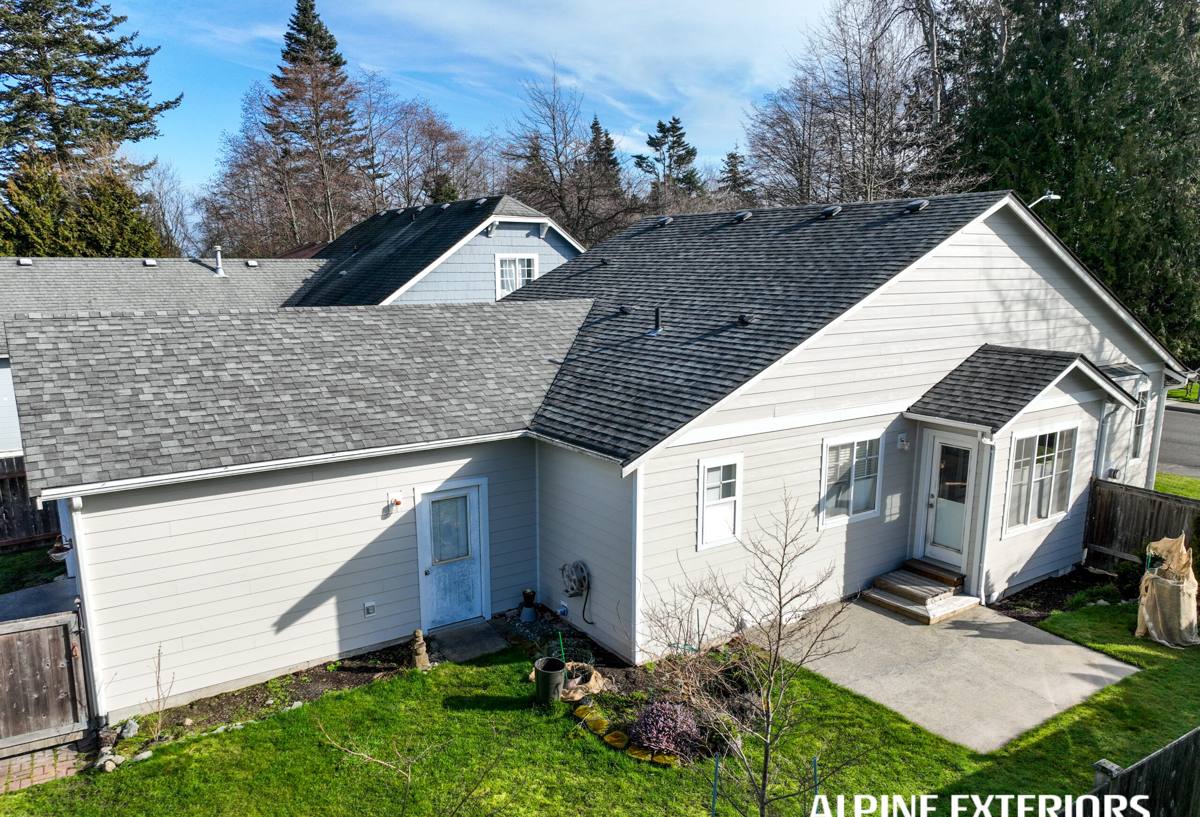
What Salt Air, Rain, and Moss Do to a Home's Exterior
Coastal exposure isn't just a marketing phrase — it's a specific set of mechanical and chemical stresses on building materials.
Salt Air and Metal Fasteners
Airborne salt accelerates corrosion on any exposed or lightly protected metal — nails, flashing, hinges, and fasteners. Once a fastener starts to corrode, it can stain the surrounding siding or trim and eventually lose its grip. This is one of the reasons fastener selection and flashing details matter more here than they would on a home twenty miles inland.
Driving Rain and Wind-Driven Moisture
Storms coming off the water often bring rain that hits siding and window assemblies at an angle rather than falling straight down. That means water finds its way into laps, seams, and trim joints that would stay dry in a calmer climate. Weather-resistive barriers, proper flashing, and correctly lapped siding courses aren't optional details in this setting — they're the difference between a wall assembly that sheds water and one that slowly absorbs it.
Moss, Algae, and Extended Shade
Between tree cover, marine fog, and a long wet season, north-facing walls and shaded rooflines here often stay damp far longer than the rest of the house. That extended moisture window is exactly what moss and algae need to establish themselves on roofing, siding, and deck surfaces, and once established, they hold even more moisture against the material underneath.
Why We Only Install James Hardie Fiber Cement Siding
We made a decision as a company to install James Hardie fiber cement siding exclusively, and areas like this are a big part of why. Fiber cement is a blend of cement, sand, and cellulose fibers — it doesn't have the organic wood content that mold, rot, and moss feed on, and it doesn't warp, delaminate, or absorb water the way some other siding materials can under sustained coastal moisture.
James Hardie also builds region-specific product lines engineered for exactly this kind of climate. Their HZ5 formulation, designed for the Pacific Northwest, is built to hold up under prolonged wet conditions and freeze-thaw cycling. The ColorPlus factory-applied finish is baked on under controlled conditions rather than field-painted, which gives it stronger resistance to fading and moisture intrusion at the finish layer — a real advantage on a wall that spends much of the year damp. Fiber cement is also non-combustible, which matters given the wildfire smoke and dry-season fire risk that has become more common across the broader Pacific Northwest in recent summers.
None of this means Hardie siding is maintenance-free. It still needs to be installed correctly — proper clearance from grade and decks, correct fastener patterns, sealed joints where the manufacturer calls for sealant, and flashing detailed to shed water outward. Installed to spec, though, it's the most durable, lowest-maintenance option we've found for this exposure.
Why We Don't Install Vinyl, LP SmartSide, or Cedar
Homeowners in this area sometimes ask why we don't offer other siding materials, so we're upfront about our reasoning rather than just steering people toward what we sell.
- Vinyl siding is affordable and low-maintenance in mild climates, but it's a petroleum-based product that expands and contracts with temperature swings, and its seams and J-channels give wind-driven rain more opportunities to work behind the panel over time. In a driving-rain environment, that's a real trade-off.
- LP SmartSide is an engineered wood product with a resin-treated strand structure. It performs reasonably well in many climates, but it's still wood-based, meaning cut edges and any breach in the factory coating are vulnerable points for moisture absorption — a bigger concern in a climate where walls stay damp for extended stretches.
- Cedar siding is a beautiful, traditional Pacific Northwest material, but it's also organic and requires an ongoing maintenance schedule of staining, sealing, or painting to keep moisture out. In a salt-air, high-moss environment, that maintenance interval tends to shrink, and skipped maintenance shows up fast as cupping, splitting, or fungal staining.
We're not saying these products can't work anywhere — we're saying that after years of exterior work in this specific climate, fiber cement has consistently held up better with less ongoing homeowner effort, and that's the standard we chose to build our business around.
Roofing for a Wet, Mossy Climate
Roofs in this area face the same moss and algae pressure as siding, plus the added stress of standing water and ice on shaded sections during colder snaps. We look closely at ventilation, underlayment quality, and valley and flashing details — a roof that's ventilated and flashed correctly sheds moisture and dries out between storms, while one that traps humidity underneath the shingles gives moss a permanent foothold. Regular moss treatment and gutter maintenance go a long way, but the underlying roofing system has to be installed to handle sustained wet conditions in the first place.
Windows That Hold Up to Salt Air and Wind-Driven Rain
Older or poorly flashed window installations are one of the most common sources of hidden water intrusion we find on coastal Whatcom County homes. Wind-driven rain doesn't need much of a gap to find its way behind trim and into wall framing, and once it does, the damage is often invisible until it's significant. When we replace windows, proper flashing integration with the wall's weather-resistive barrier and correctly sealed nailing flanges matter as much as the window unit itself — a high-quality window installed with poor flashing will still leak.
Decks Built to Handle Constant Moisture
Decks near the water take a beating from the same rain, humidity, and shade that affects siding and roofing, plus direct foot traffic and standing water on horizontal surfaces. Proper spacing between deck boards, ledger board flashing at the house connection, and materials suited to sustained moisture exposure all matter more here than in a drier inland setting. A deck that isn't detailed to shed water at the ledger connection is one of the more common places we find hidden rot on older homes in this area.
Coastal Climate: What to Watch For
| Exterior Element | Common Coastal Issue | What Helps |
|---|---|---|
| Siding | Moisture absorption, moss growth, fastener corrosion | Fiber cement, factory finish, corrosion-resistant fasteners |
| Roofing | Moss/algae buildup, trapped humidity under shingles | Proper ventilation, quality underlayment, routine moss treatment |
| Windows | Wind-driven rain intrusion at flashing and trim | Correct flashing integration with the weather barrier |
| Decks | Ledger rot, standing water, board decay | Ledger flashing, proper board spacing, moisture-suited materials |
Why a Local Crew Matters Here
A contractor who mostly works inland or in a different climate zone doesn't always account for the specific pressures a home in this part of Whatcom County faces. We work in this area regularly, which means we're familiar with how homes here actually age — where moss tends to establish first, which sides of a house take the worst wind-driven rain, and how quickly maintenance gaps turn into real damage in this environment. That local familiarity shapes how we flash, fasten, and detail every project, not just which siding brand we install.
Signs It's Time to Have Your Exterior Looked At
- Moss or algae staining that keeps returning shortly after cleaning
- Soft or spongy siding, trim, or deck boards, especially near ground level or ledger connections
- Paint or caulk failing faster than expected around windows and trim
- Visible rust streaking from fasteners or flashing
- Shingles that stay damp or discolored long after the rest of the roof has dried
- Drafts, water staining, or soft drywall near window frames
None of these signs mean a full exterior replacement is automatically needed — sometimes it's a targeted repair or a maintenance fix. But they're worth having a professional look at before they turn into structural repairs.
What to Expect When You Work With Us
We start with an honest look at your home's actual condition, not a sales pitch. That means telling you plainly if a repair will hold for a few more years versus if the underlying material is past the point of patching. For siding, we'll walk you through the James Hardie product lines and ColorPlus color options that fit your home. For roofing, windows, or decks, we'll explain what we're seeing and why we're recommending a particular fix or material, with straightforward reasoning you can evaluate for yourself.
If you're in the Lummi Nation area and dealing with siding, roofing, window, or deck issues — or just want a professional opinion on how your home is holding up against the salt air and rain — we'd be glad to take a look. Reach out for a free, no-pressure estimate using the form below.