 Ferndale Siding
 Deck Repair Built for Lummi Island's Marine Climate
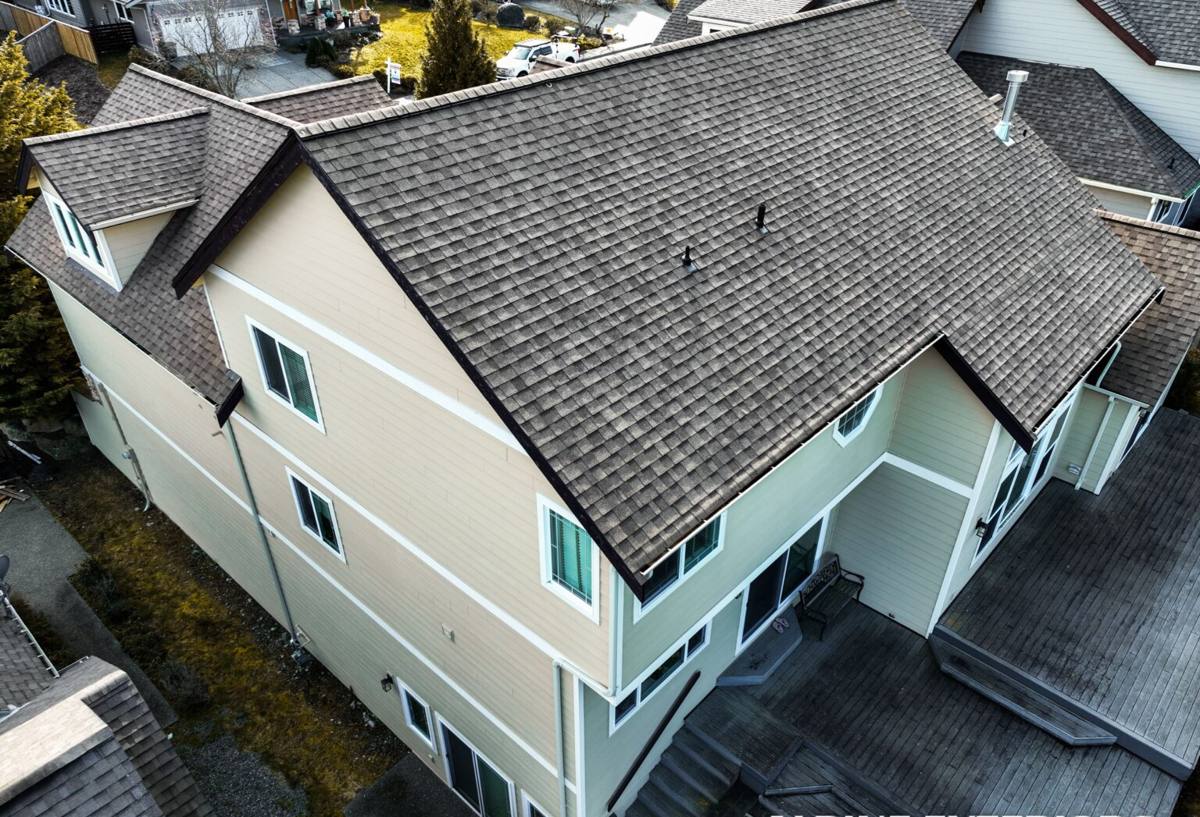
A deck on Lummi Island lives a harder life than a deck almost anywhere else in Whatcom County. It sits closer to open salt water, catches wind off the Sound with nothing to slow it down, and spends months of the year damp under a marine layer that never quite burns off before afternoon. That combination of salt air, driving rain, and a long moss season is exactly what breaks decks down from the inside before anything looks wrong on the surface. Repairing a deck out here isn't the same job as repairing one in a sheltered inland yard, and treating it that way is how homeowners end up paying twice.
This page covers what deck repair actually looks like for Lummi Island properties specifically — what the climate does to the structure, what a correct repair addresses versus what a quick patch ignores, and why local experience with island conditions changes the outcome.
What Salt Air, Rain, and Moss Actually Do to a Deck
Salt air and hardware corrosion
Airborne salt doesn't just sit on the surface of the wood — it works into every metal connection on the deck. Nails, screws, joist hangers, and post bases that aren't rated for a marine environment corrode faster here than the same hardware would fifteen or twenty miles inland. Corroded fasteners lose their grip long before the wood around them looks bad, which is why a deck can feel solid underfoot and still have failing connections at the ledger or the joist hangers.
Driving rain and hidden moisture
Wind-driven rain off the water doesn't fall straight down — it gets pushed sideways into ledger boards, under railing posts, and into any gap where flashing has failed or was never installed correctly. That moisture gets trapped against framing members and takes far longer to dry out than rain on an open, sunny deck surface would. Trapped moisture is what leads to soft, rotted wood at connection points, which are the same points carrying the structural load of the deck.
Moss, algae, and the long wet season
Whatcom County's damp season runs long, and on Lummi Island the humidity off the water stretches it further. Moss and algae take hold on shaded and north-facing deck sections and hold moisture against the wood surface for weeks at a time. Beyond making boards slippery, that constant dampness accelerates wood decay and breaks down surface coatings faster than manufacturers' maintenance schedules assume.
Signs Your Deck Needs Repair
Most deck problems out here start below the surface, so it pays to know what to check rather than waiting for something to visibly fail. Walk your deck and look for these signs before the wet season sets in:
- Soft or spongy spots underfoot, especially near the house connection or stair landings
- Rust streaks running down from screws, nails, or metal brackets
- Gaps opening up between the ledger board and the house siding or trim
- Railing posts that wiggle or flex when pushed
- Persistent green or black staining on boards that never fully dries out
- Boards that have cupped, crowned, or split along the grain
- Stair stringers or joists visible from underneath showing dark, wet-looking wood
- A noticeable bounce or give in the deck surface that wasn't there before
Any one of these on its own might be minor. Several at once, or anything involving the ledger board connection to the house, is worth a proper inspection before the deck sees another wet season.
What a Correct Repair Actually Involves
Start below the decking, not on top of it
A repair that only replaces visible boards and calls it done is treating the symptom, not the cause. A correct job starts by getting underneath the deck to check the framing: joists, beams, posts, and — most importantly — the ledger board connection where the deck attaches to the house. That connection carries a huge share of the structural load and is also the single most common place we find hidden rot on island properties, because it's where wind-driven rain gets pushed against the house and has nowhere to drain.
Hardware gets upgraded, not just replaced
When we replace fasteners or connectors on a Lummi Island deck, we don't put back the same grade of hardware that failed. Stainless steel or heavy hot-dip galvanized hardware rated for coastal and treated-lumber exposure costs more up front but doesn't set the repair up to fail again in a few years. This is a standard we hold regardless of what was originally installed, because using anything less in this environment just moves the next repair closer.
Flashing and drainage get fixed, not covered up
If the ledger board or a post base was rotting because water was getting trapped, replacing the wood without fixing the flashing or drainage path just restarts the same clock. Proper ledger flashing, correct board spacing for drainage, and grading that moves water off the deck surface are part of any repair we consider complete — not optional add-ons.
Matching materials for structural repairs
Structural lumber gets replaced with pressure-treated stock rated for ground contact or moisture exposure where required, matched to the existing framing dimensions. Decking board replacements are matched or coordinated with the existing surface material so the repair blends in and performs consistently rather than creating a patchwork of different expansion and moisture behavior across the deck.
Repair vs. Replacement: How We Make the Call
Not every deck problem calls for a full rebuild, and not every deck is worth patching. Here's the general breakdown we use when assessing a Lummi Island deck:
| Condition Found | Repair Is Usually Enough | Replacement Is Usually Needed |
|---|---|---|
| Ledger board / house connection | Isolated rot, framing otherwise sound | Widespread rot, flashing never installed |
| Decking boards | Scattered failed boards, framing solid | Most boards cupped, split, or soft |
| Joists and framing | One or two joists affected | Multiple joists soft or undersized for current code |
| Railings and posts | Loose hardware, isolated post rot | System-wide instability, outdated railing height/spacing |
| Footings and posts | Solid footings, surface wear only | Settling, heaving, or undersized footings |
The honest answer is usually somewhere in between — a deck with a sound structure but a failing ledger connection might only need that one area rebuilt correctly, while a deck with rot spread across multiple framing members is often more cost-effective to rebuild than to keep patching piece by piece.
Cost factors worth understanding
Deck repair costs vary widely based on how much structure is affected versus surface-level work, so broad ranges are more honest than a flat number. A repair limited to hardware upgrades and a few boards is a modest job. A repair that involves opening up the ledger connection, replacing joists, or rebuilding a stair system runs into the range of a partial rebuild. Full replacement, when the framing has failed broadly, is its own project with its own pricing — but it's often not much more than repeatedly repairing a deck that keeps failing in the same spots.
Our Process for a Lummi Island Deck Repair
- Full inspection — above and below the decking, checking ledger connection, framing, hardware condition, and drainage.
- Honest assessment — a clear explanation of what's failing, why, and whether repair or replacement is the better long-term value.
- Structural repair first — framing, ledger flashing, and hardware corrected before any surface work begins.
- Surface and finish work — decking boards, railings, and stairs repaired or replaced to match, then sealed or finished as needed.
- Cleanup and walkthrough — site cleared, and we walk the finished repair with you so you know what was done and what to watch for going forward.
Why a Crew That Already Works Lummi Island Matters
Lummi Island isn't reached the same way as the rest of Ferndale or greater Whatcom County — it's a ferry-access island, which changes how a repair job gets planned and scheduled. A crew unfamiliar with that logistics reality can end up wasting a homeowner's time coordinating trips, material deliveries, and equipment transport around ferry schedules they've never had to work around before. A crew that already works the island builds that into the plan from the start, so the job moves efficiently instead of stalling on logistics.
There's also a difference in what a contractor recognizes on sight. A crew that regularly works waterfront and near-waterfront properties in this part of Whatcom County knows what accelerated marine corrosion looks like versus ordinary wear, knows which connection points fail first in driving rain off the water, and doesn't need to relearn those patterns on your deck. That familiarity is the difference between a repair that addresses the real cause and one that just replaces what's visibly broken.
Keeping a Repaired Deck Sound Through Moss Season
A correct repair is only half the equation — how the deck is maintained afterward determines how long that repair lasts. On Lummi Island, that mostly comes down to managing moisture and moss before they get a foothold again:
- Clear leaves, needles, and debris from between boards regularly, especially in fall
- Keep gutters and downspouts near the deck clear so runoff isn't draining onto it
- Address moss and algae growth promptly rather than letting it build up over a season
- Check visible hardware for early rust once a year, ideally before winter
- Reseal or refinish surfaces on the schedule appropriate to the finish product used
- Keep an eye on the ledger board area where the deck meets the house — it's the first place problems tend to reappear
None of this requires special equipment or expertise — it's mostly about not letting small issues sit through an entire wet season before dealing with them.
Get a Straight Answer on Your Deck
If your Lummi Island deck has soft spots, rust stains, loose railings, or just doesn't feel as solid as it used to, it's worth having someone who knows how this climate treats decks take a look before another wet season passes. We'll give you a clear, honest assessment of what's actually going on and what it would take to fix it right — no pressure, no inflated scope. Fill out the form below for a free estimate.