 Ferndale Siding
 Storm Damage Roofing for Sandy Point Homes
Sandy Point sits out on open water, which means it catches wind and weather that inland Ferndale neighborhoods simply don't see as often. When a windstorm rolls through Whatcom County off the Strait of Georgia, homes along Sandy Point tend to take the brunt of it before the weather even reaches the rest of Ferndale. That exposure shapes everything about how we approach storm damage roof repair out here — from what we look for during an inspection to which materials and methods hold up best over time.
This page covers what storm damage roof repair actually involves for a Sandy Point home, what to expect from a properly done repair, and why local experience with this specific stretch of coastline matters more than it might seem.
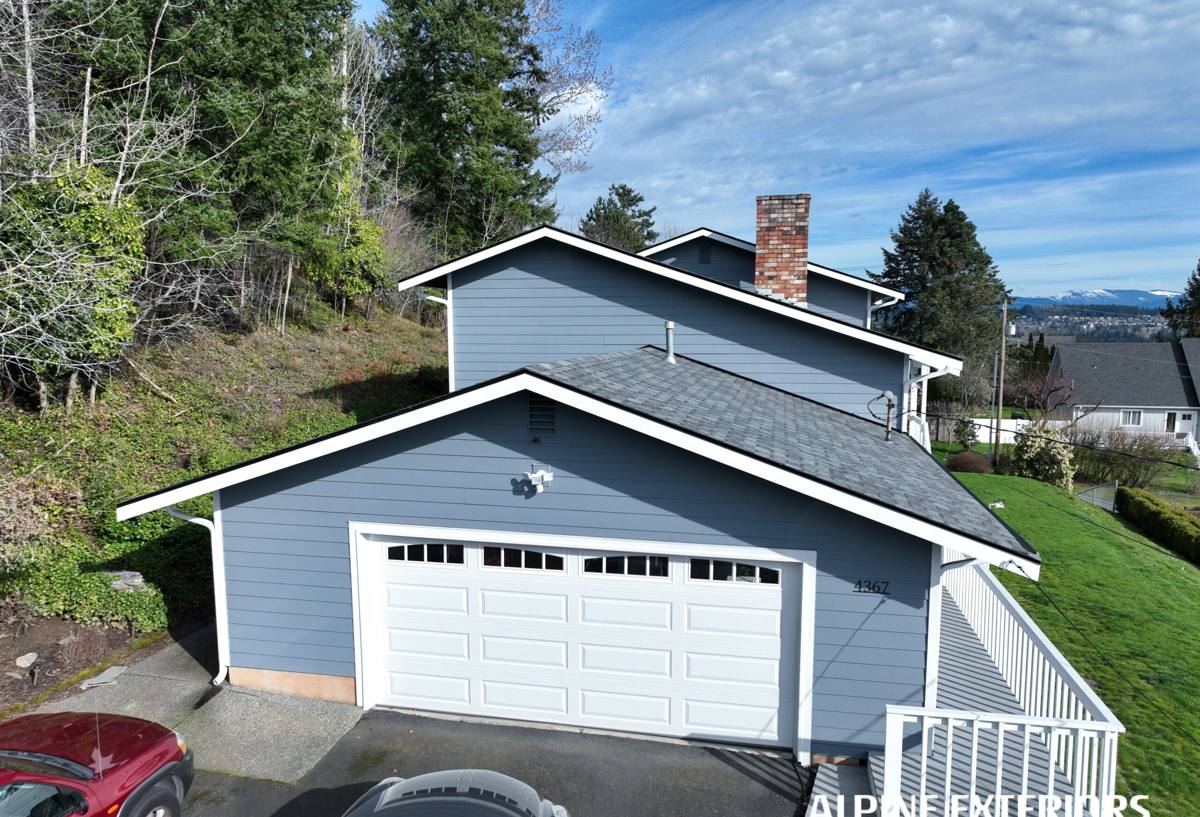
Why Sandy Point Roofs Take More Punishment
A few things stack up against roofs in this part of Whatcom County, and they compound each other rather than acting alone.
Wind Exposure
Being close to open water means less tree cover and fewer wind breaks than you'd find further inland. Gusts that would be softened by a few hundred yards of forest elsewhere hit Sandy Point roofs more or less directly. That's the primary driver of storm damage out here — lifted shingle edges, torn ridge caps, and flashing that's worked loose over repeated wind-loading events rather than one single blow.
Salt Air
Airborne salt from the water accelerates corrosion on anything metal — flashing, fasteners, gutter hardware, vent caps. A fastener that would last decades in a drier inland climate can start showing rust and losing holding strength years sooner near the water. Once fasteners weaken, shingles and flashing become far more vulnerable to being pulled loose in the next windstorm.
Driving Rain
Storms here rarely come straight down. Wind-driven rain gets pushed sideways and upward under roof edges, around vent boots, and behind flashing that would keep water out under normal conditions. This is why storm damage often shows up as interior leaks in places that look completely fine from the ground — the water found a path that only opens up under wind pressure.
Moss Season
Western Washington's long wet season, roughly October through May, keeps roofs damp for extended stretches, which is exactly what moss needs to establish. Moss holds moisture against the roofing material and works its way under shingle tabs, and a roof that's already compromised by moss growth is much more likely to suffer real damage the next time a storm hits it. Storm damage and moss damage often show up together on the same roof, and both need to be addressed for a repair to actually hold.
What Counts as Storm Damage
Not all storm damage is obvious. Some of it is, and some of it takes an experienced eye to catch before it turns into a bigger problem.
- Missing, cracked, or curled shingles, especially along ridges and roof edges where wind pressure is highest
- Lifted or bent flashing around chimneys, skylights, and roof-to-wall transitions
- Torn or displaced ridge cap shingles
- Loosened or missing fasteners, sometimes visible as raised nail heads
- Debris impact damage from branches or wind-blown material
- Granule loss on asphalt shingles, which shows up as bare or discolored patches
- Gutter and downspout separation from wind load or ice
- Interior water stains or damp spots on ceilings and upper walls after a storm, even with no visible exterior damage
That last one is worth taking seriously. A storm can open a small gap in flashing or underlayment that only leaks under wind-driven rain, and the roof can look dry and intact on a calm day. If you've noticed a stain after a storm but nothing looks wrong from the ground, that's still worth a proper inspection.
What a Correct Repair Actually Involves
Storm damage repair isn't just replacing what's visibly missing. A repair that only patches the obvious spot often fails again in the next storm because it didn't address why the damage happened there in the first place.
Full-Roof Assessment, Not Just the Damaged Spot
Wind damage rarely stays contained to one area. We check the whole roof plane, not just the spot that's visibly missing shingles, because wind-lifted edges and loosened fasteners nearby are often the next failure point.
Underlayment and Decking Check
If water has been getting under the roofing material, the underlayment and the decking beneath it need to be checked for saturation or rot. Replacing shingles over compromised decking is a short-term fix that costs more to redo later.
Flashing Rework, Not Just Resealing
Given the salt air out here, we're cautious about relying on caulk or sealant alone to fix flashing problems. Sealant degrades faster in this environment and it's a maintenance item, not a permanent repair. Where flashing has failed, the better fix is usually to reset or replace it properly rather than seal over the gap.
Matching Materials Correctly
Shingle color and profile change over time with sun and weather exposure, so a patch repair on an older roof can be visibly obvious even when it's done well. We're upfront about this before starting a repair — sometimes a slightly mismatched patch is the right economical call, and sometimes the better long-term answer is a larger section replacement.
Repair vs. Replacement: How We Help You Decide
| Factor | Leans Toward Repair | Leans Toward Replacement |
|---|---|---|
| Roof age | Under 10-15 years, otherwise in good condition | Nearing or past expected lifespan for the material |
| Extent of damage | Isolated to one section or slope | Spread across multiple slopes or the whole roof |
| Underlying decking | Dry, sound, no rot found | Soft spots, rot, or repeated leak history |
| Moss and granule condition | Minor, treatable | Heavy moss history with granule loss throughout |
| Insurance situation | Damage limited enough that repair is the covered scope | Adjuster determines full slope or full roof replacement is warranted |
We'll give you an honest read on which side of that table your roof falls on. There's no benefit to us or you in replacing a roof that only needs a targeted repair, and there's no benefit in patching a roof that's going to keep generating leak calls.
Working With Insurance on Storm Claims
Storm damage is one of the more straightforward categories for insurance claims, but documentation matters. We provide clear photos and a written description of the damage tied to the storm event, which gives you something solid to hand to your adjuster. We're not a public adjuster and we don't negotiate your claim for you, but we'll make sure the roofing side of your documentation is accurate and complete so the process goes as smoothly as it can.
Our Process for a Sandy Point Storm Repair
- Inspection. We walk the roof (or use a safe vantage point when conditions don't allow foot traffic) and document every area of concern, not just the spot you called about.
- Written scope and estimate. You get a clear explanation of what's damaged, what needs to happen, and a straightforward cost range before any work starts.
- Weather-aware scheduling. We plan repair timing around forecasted conditions since a fresh flashing or shingle repair needs a reasonable dry window to seat and seal properly.
- The repair itself. Decking checked and replaced if needed, underlayment restored, flashing reset or replaced, matching shingles installed and properly fastened for wind resistance.
- Final walkthrough. We show you what was done and flag anything else worth keeping an eye on, including moss conditions that could cause problems down the line.
What to Have Ready Before We Arrive
- Note the date and approximate time of the storm event, if known — helpful for insurance documentation
- Any photos you already took of visible damage or interior water stains
- Clear access to the property, including gate codes or anything that could delay our crew getting set up
- A general idea of whether you're planning to file an insurance claim, so we can document accordingly from the start
Why Local Sandy Point Experience Matters
A roofing crew that regularly works this stretch of Whatcom County coastline already knows which flashing details tend to fail first in this wind exposure, which fastener choices hold up against salt air over time, and how aggressively moss establishes itself in a given season here versus a drier inland property. That's not something you can fully substitute with general roofing experience from a crew that mostly works elsewhere. It shows up in small decisions — how flashing gets lapped, which side of the roof gets extra attention, how tight the fastening pattern is set — that don't matter much in a calm climate but matter a lot when the next windstorm comes through.
We also know that a fast response matters when a storm has opened up your roof. A tarped, temporarily secured roof buys time to do the repair right, rather than rushing a permanent fix in bad weather.
Get an Honest Look at the Damage
If a recent storm has left you with missing shingles, a new leak, or just a feeling that something's not right up there, we're happy to come take a look. The estimate is free, there's no pressure to book anything on the spot, and you'll get a straight answer about what's actually needed. Use the form below to get in touch and we'll get a crew out to your Sandy Point property.