 Ferndale Siding
 Siding Installation in Everson: Built for Whatcom County Weather
Everson sits along the Nooksack River corridor in Whatcom County, a few miles inland from Ferndale but still well within reach of the same weather pattern that wears down siding across the county: long wet winters, a marine air mass that carries salt and moisture even this far from the coastline, and a shoulder season every spring and fall where moss and algae get a real foothold on anything shaded or slow to dry. Homes here don't fail because the siding was "bad" — they fail because the wrong product, or a correct product installed wrong, couldn't keep up with how much moisture this region actually throws at a house over a decade or two.
We're a Ferndale-based crew, and Everson is part of our regular service area, not a special trip. That matters more than it sounds — a siding job here needs someone who already knows what this climate does to a wall assembly, not a crew learning it on your dime.
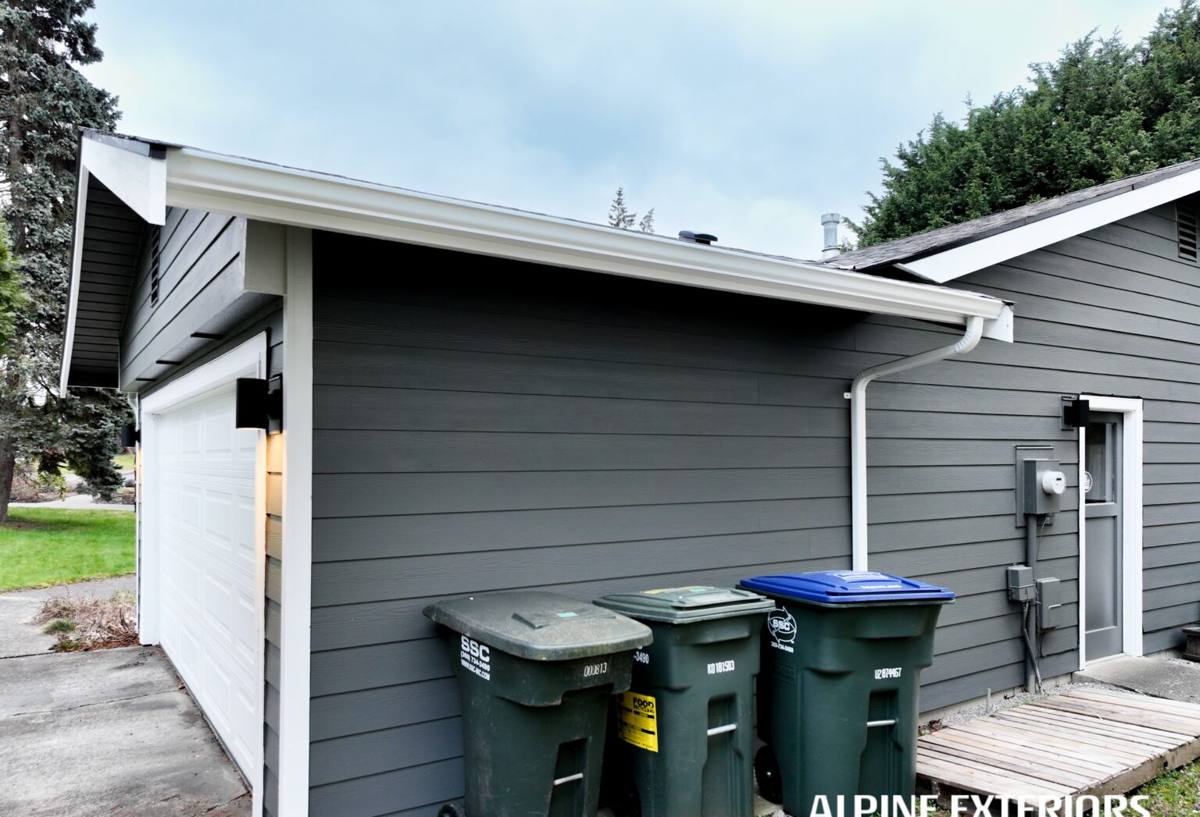
What Everson's Climate Actually Does to Siding
Driving Rain and Wind-Driven Moisture
Whatcom County rain rarely falls straight down. Wind off the Salish Sea pushes it sideways, which means siding here has to shed water that's hitting it at an angle, working its way under laps, and pooling at every horizontal joint and window head. A siding system that only handles vertical rain well — meaning most lower-grade materials installed without careful flashing — will eventually let water behind the cladding. Once that happens, the problem isn't cosmetic anymore; it's rot in the sheathing and framing behind it.
Salt Air, Even Inland
Everson is not a waterfront town, but Whatcom County's proximity to Bellingham Bay and the Strait of Georgia means airborne salt reaches well past the shoreline, especially on windier days. Salt exposure accelerates corrosion on fasteners and trim metal and speeds up the breakdown of paint films that aren't formulated to resist it. Over years, that shows up as chalking, fading, and fastener staining on lower-grade siding and cheap paint jobs.
The Long Moss Season
Shaded north and east walls, tree-lined lots, and the generally damp, mild climate here give moss and algae a much longer growing window than drier parts of the state get. Wood-based and wood-look products are especially vulnerable because moss holds moisture against the surface, and once it's established it keeps that surface damp far longer after every rain. That constant dampness is exactly what accelerates rot in anything with a wood component, and it's a major reason we steer homeowners away from wood-based and wood-fiber siding products for this climate.
Why We Install James Hardie Fiber Cement — and Nothing Else
We don't offer vinyl, LP SmartSide, primed spruce, cedar, or other fiber cement brands like Allura or Cemplank. That's a deliberate standard, not a limitation of what we know how to install. Fiber cement is not vinyl, and within fiber cement, product quality and factory finish quality vary a lot — we've chosen to put only James Hardie products on homes because of how the system performs specifically in a climate like this one.
- Non-combustible core — fiber cement doesn't feed a fire the way wood-based products can, which matters for insurance considerations and general home safety.
- Climate-engineered HZ product lines — Hardie manufactures HZ5 formulations specifically for wetter, cooler Pacific Northwest conditions, rather than a single generic product for every climate zone in the country.
- ColorPlus factory finish — a baked-on finish applied under controlled factory conditions holds color and resists fading, chalking, and moisture intrusion at the coating level far better than field-applied paint, which is especially relevant given the salt exposure this area sees.
- No moss-feeding wood fiber — the cement composition doesn't rot the way wood-based siding can when moss and algae sit on it through a long wet season.
- A strong transferable warranty — meaningful if you ever sell the home, since it follows the house rather than the original owner.
None of this means other products are junk. Vinyl is inexpensive and low-maintenance in the right application. LP SmartSide has genuine fans and a real track record. Cedar looks the way a lot of homeowners want their house to look. We simply concluded, after years of doing this work in this specific climate, that the trade-offs on those products — moisture sensitivity, seam behavior, coating durability, or long-term maintenance burden — weren't ones we wanted to put our name behind on an Everson roofline. Hardie, installed correctly, is what we're comfortable standing behind here.
What a Correct Siding Installation Actually Involves
The material is only half the equation. A huge share of siding failures we see on older homes in this area trace back to installation shortcuts, not the product itself. A correct job includes:
Water-Resistive Barrier First
Before any siding goes up, the wall needs a continuous, properly lapped weather-resistive barrier. Every penetration — outlets, hose bibs, vents — gets flashed and sealed into that barrier, not caulked over afterward as an afterthought.
Flashing at Every Horizontal Transition
Window heads, door heads, deck ledgers, and roof-to-wall intersections are where water intrusion actually starts. Metal or manufactured flashing has to direct water back out and away at each of these points — this is the detail work that separates a durable install from one that looks fine for a year or two and then starts staining and softening.
Clearance and Fastening to Spec
James Hardie publishes specific installation requirements: minimum clearance from grade, roofing, and decks; fastener spacing and type; caulk joints at the right locations and not others. Installing off those specs is one of the most common ways a warranty gets voided and a wall assembly starts trapping moisture behind otherwise good siding.
Proper Ventilation Behind the Cladding
A rainscreen gap or adequate drainage plane lets any moisture that does get behind the siding dry out instead of sitting against the sheathing. In a climate with this much sustained dampness, that gap is not optional detailing — it's what keeps a correctly installed product performing for its full service life.
Our Process for Everson Projects
- On-site assessment — we walk the exterior, check current siding and trim condition, look at drainage, roof lines, grade clearance, and any moisture or moss patterns already visible on the walls.
- Scope and product selection — we go over which Hardie plank, panel, or shingle profile and ColorPlus color fits the home, and give you a clear, honest scope of what's included.
- Tear-off and substrate check — old siding comes off and we inspect the sheathing underneath for rot or damage before anything new goes up. Any compromised sheathing gets addressed, not covered over.
- Barrier and flashing installation — the weather-resistive barrier and all flashing details go in before a single piece of siding is hung.
- Siding installation to Hardie spec — correct clearances, fastening, and joint treatment throughout.
- Final walkthrough — we go over the finished job with you, including basic care so the finish holds up.
Siding Options Compared for This Climate
| Product | How It Handles Wind-Driven Rain | Moss/Algae Resistance | Salt Air Durability | Long-Term Maintenance |
|---|---|---|---|---|
| James Hardie Fiber Cement (HZ5) | Strong when installed with proper flashing | High — no wood fiber to feed growth | High — factory ColorPlus finish | Low — occasional wash, repaint decades out |
| Vinyl Siding | Moderate — seams and panels can flex and gap | Moderate | Moderate — color fades over time | Low, but brittle and can crack in cold snaps |
| LP SmartSide / Engineered Wood | Moderate — sensitive to sustained moisture at edges | Lower — wood-strand core | Moderate | Higher — edge sealing and repainting matter |
| Cedar / Wood Siding | Weaker without diligent upkeep | Lowest — organic surface feeds growth | Lower — finish degrades faster | Highest — regular refinishing required |
Signs Your Everson Home May Need New Siding
- Soft or spongy spots when you press on the siding, especially near the bottom courses or under windows
- Persistent moss or algae streaking that comes back within weeks of cleaning
- Paint that's chalking, peeling, or fading unevenly, particularly on walls facing prevailing wind
- Visible warping, cupping, or separation at seams and corners
- Rising utility bills that suggest the wall assembly isn't insulating or sealing the way it used to
- Siding installed with little or no visible clearance from the ground, deck, or roofline
- Interior signs — musty smell, staining, or soft drywall — near exterior walls
Cost Factors on an Everson Siding Job
Every home is different, but a few things consistently move the number on a real quote: total square footage and wall complexity (gables, dormers, and multiple stories add labor), how much of the existing sheathing needs repair once old siding comes off, trim and fascia scope, and which Hardie profile and ColorPlus color you choose. We'll never invent a number before we've actually looked at the house — but we're happy to give you a straightforward, honest range once we've walked the site.
Why Hiring a Crew That Already Works Everson Matters
A siding crew that's unfamiliar with this specific area is guessing at things a local crew already knows: how the wind tends to drive rain against north- and west-facing walls here, how fast moss establishes on shaded siding in a wet Whatcom County winter, and what grade and drainage conditions typically look like on lots near the river corridor. That local pattern recognition shows up in better flashing decisions, better clearance calls, and a finished job that's actually built for what Everson weather does to a house year after year — not a generic install that happens to be located here.
If you're weighing a siding replacement or new construction siding for a home in Everson, we're glad to walk the property with you and give you a straight answer on what it needs. Reach out below for a free, no-pressure estimate — no obligation, just an honest look at your home and your options.