 Ferndale Siding
 Custom Windows Built for Cordata's Climate
Cordata sits close enough to the water and low enough in elevation that homes here take on a specific mix of weather stress: salt-tinged air drifting in off the Sound, long stretches of wind-driven rain through fall and winter, and shaded, damp conditions that keep moss and algae going most of the year. Windows are one of the first places that weather shows up — in fogged glass, soft trim, sticky sashes, and drafts that weren't there five years ago. A window job done right in this area has to account for all of that from the start, not just match the opening and call it done.
"Custom" in this context doesn't necessarily mean unusual shapes or high-end architectural glass, though we do that work too. More often it means the window is built and installed to fit a specific opening, a specific wall assembly, and a specific exposure — because in Cordata, a window that would perform fine on a dry, sheltered lot inland can fail early on a lot that catches weather off the water.
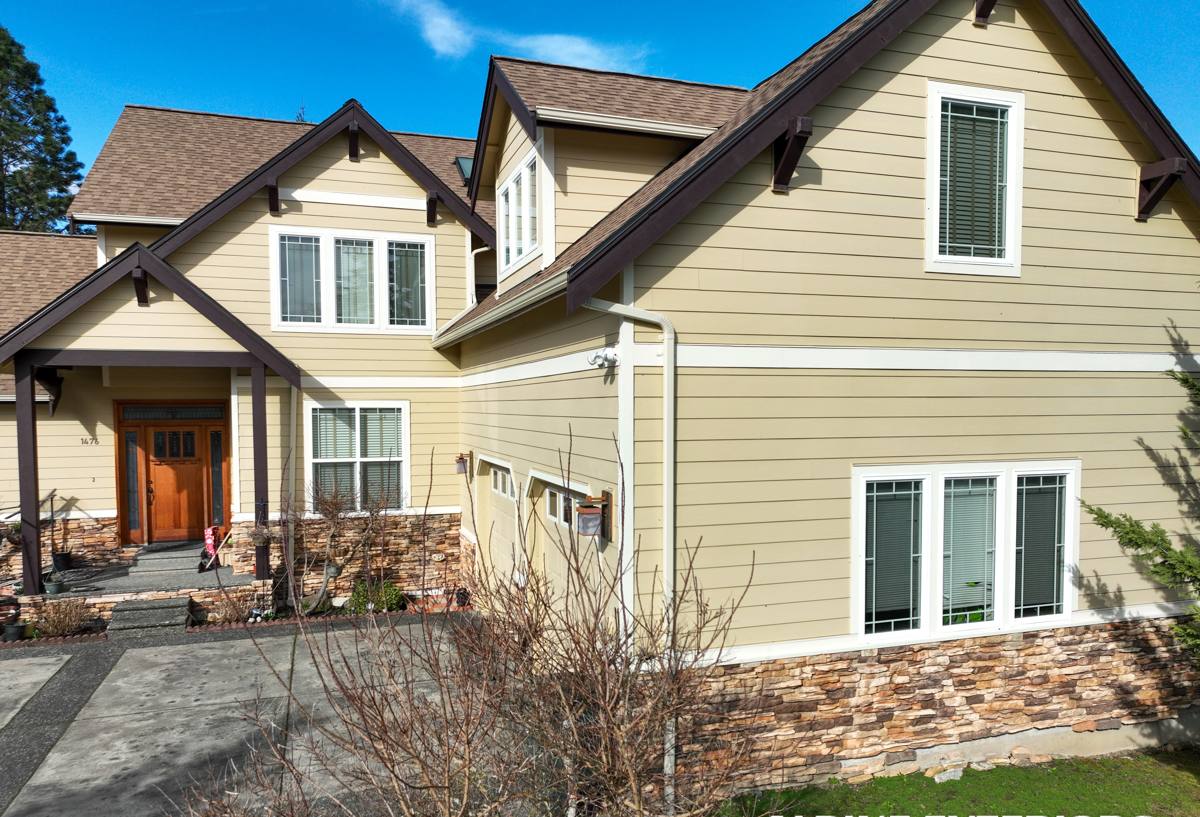
What Whatcom County Weather Does to Windows Over Time
Salt Air and Corrosion
Homes closer to the water deal with airborne salt that settles on metal hardware, aluminum cladding, and fasteners. Over years this shows up as pitting on hinges and locks, corrosion streaking below hardware, and stiff or seized operating mechanisms. It's slow and easy to ignore until a window won't latch properly anymore.
Wind-Driven Rain and Flashing
Rain that comes in sideways, which is common here in fall and winter storms, tests the flashing and sealant around a window far more than a straight-down rain ever would. Most window leaks we find in this area aren't failures of the window itself — they're failures of the flashing, sill pan, or sealant detail around it. That's an installation issue, not a product issue, and it's the single biggest thing separating a window job that lasts from one that doesn't.
Moss, Shade, and Trapped Moisture
A lot of Cordata lots have mature trees and enough shade that moss and algae get a long growing season on north-facing walls, trim, and sills. Moss holds moisture against wood trim and can work into gaps around a window frame, which accelerates rot in exactly the spots that are hardest to inspect from the ground.
Signs It's Time to Replace or Upgrade
- Soft or discolored wood trim around the frame, especially on shaded or north-facing walls
- Visible fogging or a haze between panes of double-glazed glass — the seal has failed
- Windows that are hard to open, close, or lock, particularly ones facing prevailing weather
- Noticeable drafts or a cold spot near the window even with it fully closed
- Moss or dark staining building up on the sill or bottom corners of the frame
- Rising energy bills without another clear explanation
- Visible gaps between the frame and siding, or caulking that's cracked and pulling away
Any one of these on its own isn't necessarily urgent. Several together, especially on the same window, usually means moisture has already gotten past the exterior seal.
What "Custom" Means on a Cordata Job
Non-Standard Openings in Older Homes
A meaningful share of the work in this area is replacing windows in homes where the original opening isn't a factory-standard size, or where settling over the years has thrown the opening slightly out of square. Custom sizing means we measure the actual opening, not a catalog number, and either build or order the window to fit it — rather than forcing a stock size to work with extra trim or fillers that create new gaps for weather to find.
Matching Style to the Neighborhood
Cordata has a mix of home ages and styles, from older single-story homes to newer construction. Custom work also covers matching grille patterns, frame color, and trim profile so a replacement window doesn't stand out as an obvious patch job on the front of the house. We'll walk through what's available and what actually fits the home before ordering anything.
Materials and Frame Options
There's no single "best" window material — the right call depends on the wall it's going into, the exposure, and what you're willing to maintain. Here's how the main options compare for a wet, occasionally salty climate like ours:
| Material | Moisture & Salt Resistance | Maintenance | Notes |
|---|---|---|---|
| Vinyl | Very good — won't rot or corrode | Low; occasional cleaning | Most cost-effective; good all-around choice for replacements |
| Fiberglass | Excellent — very stable in wet/dry cycling | Low | Higher upfront cost; holds paint well if color changes are wanted later |
| Wood-clad | Good on the exterior clad side; interior wood needs protection | Higher — interior wood should be checked periodically | Preferred where a natural wood interior look matters |
| Aluminum | Prone to corrosion near salt air over time | Moderate | We typically steer clients away from bare aluminum frames on exposed, salt-influenced lots |
For most Cordata homes we lean toward vinyl or fiberglass for their resistance to the moisture cycling this climate puts them through, but the decision should be about what fits your home's style and budget, not a one-size answer.
Our Installation Process
- On-site assessment — we look at the existing window, the wall assembly behind it, and any signs of past water intrusion before recommending anything.
- Precise measurement — actual opening dimensions, not assumed standard sizes, especially important on older Cordata homes.
- Removal and inspection — once the old window is out, we check the framing and sheathing underneath for rot or soft spots, which is often the real condition that determines the job's scope.
- Sill pan and flashing — this is the step that actually keeps wind-driven rain out over the long run. A sloped sill pan and properly lapped flashing (integrated correctly with the house wrap or building paper) matter more to leak prevention than the window brand.
- Setting and shimming the window — leveled, squared, and shimmed so the sashes operate correctly and seals compress evenly.
- Sealing and insulating — low-expansion foam or backer rod and sealant around the frame, sized correctly so it doesn't bow the frame.
- Exterior trim and finish work — trim, caulking, and touch-up paint or cladding to match the surrounding siding.
- Walkthrough — we test operation and locking, and go over any care specifics for the material chosen.
Cost Factors to Expect
Every job is different, but the biggest cost drivers are consistent across most Cordata projects:
| Factor | How It Affects Cost |
|---|---|
| Number of windows | Per-window cost drops somewhat on larger multi-window jobs |
| Material (vinyl vs. fiberglass vs. wood-clad) | Vinyl is typically the most affordable; fiberglass and wood-clad cost more upfront |
| Opening condition | Rot or framing repair found during removal adds labor and material |
| Custom sizing | Non-standard openings cost more than stock sizes due to custom manufacturing |
| Access and story height | Second-story or hard-to-access windows take more time and equipment |
| Glass package | Upgraded low-E coatings or gas fills add cost but improve performance |
We'll always give you a firm, itemized number before work starts, and we'll flag anything we find during removal — like unexpected rot — before we proceed, not after.
Choosing a Window Contractor Who Knows Cordata
The flashing and sealing details that matter most in this climate aren't always visible once the job is finished, which makes the contractor's experience and habits more important than any single product spec. A few things worth checking before you hire anyone:
- Ask specifically how they handle sill pan flashing and integration with the house wrap — a vague answer is a red flag
- Ask whether they inspect and repair rotted framing as part of the job, or just install over it
- Get a written scope and firm price before work starts, not a rough verbal estimate
- Ask about warranty coverage on both the window product and the installation labor separately
- Check that they're licensed and insured for exterior work in Washington
- Ask for a timeline that accounts for weather — installers who rush windows in during active rain in this climate are cutting a corner that shows up later
A crew that regularly works Cordata and the surrounding Ferndale and Whatcom County area has already seen how these specific conditions age windows over time, which shapes better decisions on flashing detail, material choice, and where extra sealant or drainage attention is worth the time.
Get a Straightforward Estimate
If you're noticing drafts, fogged glass, or trim trouble on a Cordata home, it's worth having someone take an honest look before deciding what to do. We'll walk the exterior, tell you what we actually see, and put together a clear, no-pressure estimate — use the form below to get started.