 Ferndale Siding
 Roof Repair Built for Custer's Weather, Not a National Average
Custer sits close enough to the Strait of Georgia and Birch Bay that salt-laden air is a real factor on roofs here, not just a talking point. Add in the long, low-angle rain that Whatcom County gets from fall through spring, plus a moss season that can run six months or more under the tree cover common in this area, and you have a roof environment that's genuinely tougher than what a lot of national roofing guides assume. A repair that would hold up fine in a dry climate can fail here in a season or two if it doesn't account for constant moisture and organic growth.
We do roof repair work throughout the Ferndale area, and Custer's mix of rural properties, mature tree cover, and proximity to the water means we see a fairly specific set of recurring problems. This page covers what those problems actually are, what a correct repair looks like, and how we approach the work so it lasts.
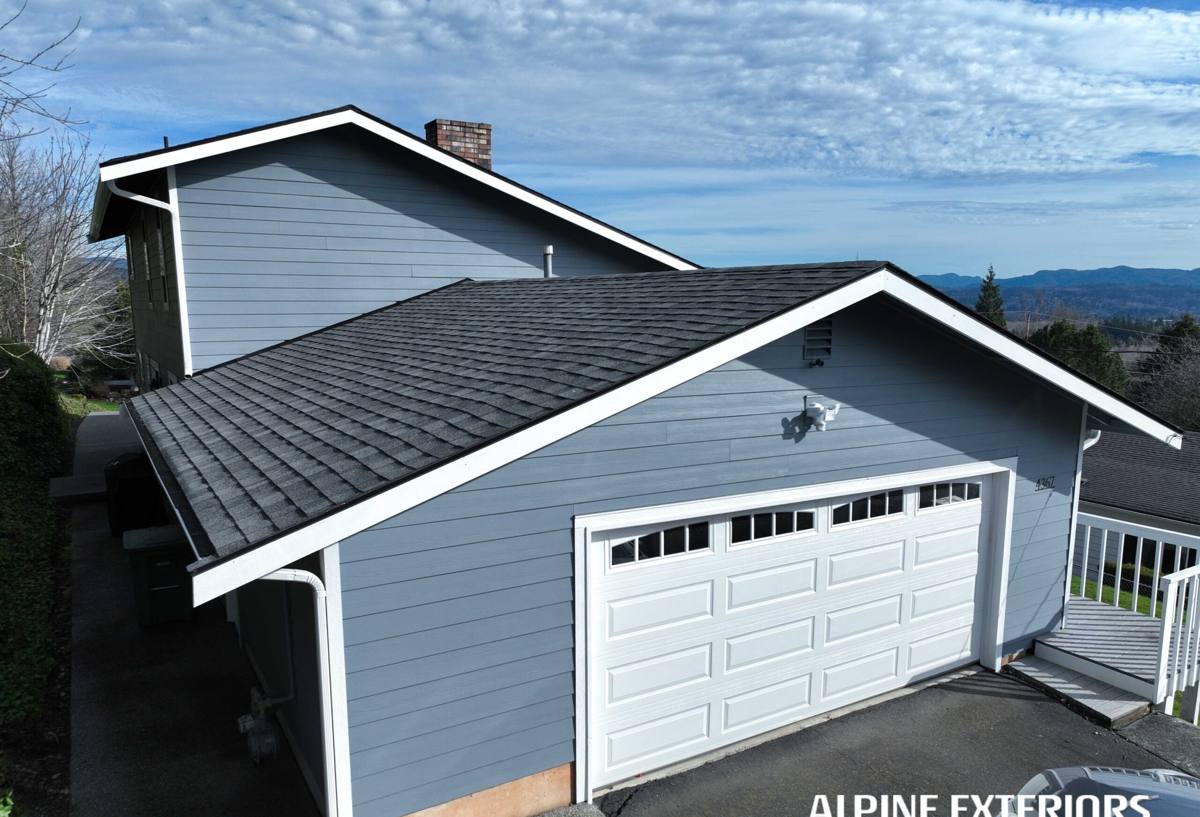
Why Custer Roofs Wear Differently
Salt Air and Metal Fatigue
Salt air accelerates corrosion on exposed metal — flashing, fasteners, gutter hardware, and any exposed roofing nails. On a roof close to the water, galvanized fasteners and lower-grade flashing can start showing rust and pitting years before they would further inland. Once flashing corrodes, it stops sealing properly at valleys, chimneys, and roof-to-wall transitions, and that's where leaks start.
Driving Rain and Wind-Driven Moisture
Whatcom County storms often come with enough wind to push rain sideways under shingle edges, around vents, and into any gap that a calm-weather repair might get away with. A patch that only addresses the top layer without checking underlayment and flashing behind it tends to leak again in the next windstorm.
Moss and Organic Buildup
Tree cover and consistent moisture make Custer good moss territory. Moss holds water against the roofing material, lifts shingle edges as it grows, and works its root structure into seams over time. Left alone, it doesn't just look bad — it actively shortens the life of the roof underneath it and hides the early signs of a leak until the damage is well established.
Common Roof Repair Calls We See in Custer
- Leaks around chimneys, skylights, and roof-to-wall transitions where flashing has corroded or pulled loose
- Moss buildup lifting shingle tabs, especially on north-facing slopes that stay shaded and damp
- Damaged or missing shingles after wind events, particularly on exposed or high-pitch sections
- Soft or stained decking discovered during a repair, from a slow leak that went unnoticed
- Clogged or sagging gutters contributing to water backing up under the roof edge
- Nail pops and fastener corrosion loosening shingles over time
What a Correct Repair Actually Involves
A lot of "roof repair" in this region amounts to sealing the visible symptom — caulking a flashing edge, swapping a shingle — without checking whether the underlayment or decking underneath has already taken on water. That approach can look fine for a few months and then fail again, often in a worse spot, because the underlying cause was never addressed.
A repair we stand behind starts with finding the actual entry point, not just the stain closest to it. Water can travel a surprising distance under roofing material before it shows up as a ceiling stain, so tracing the path back to the source matters more than patching where the damage happens to be visible.
What We Check Before We Touch Anything
- Condition of the flashing at every penetration — chimney, vents, skylights, valleys
- Whether decking underneath the damaged area is still sound or has softened from moisture
- How far moss or debris buildup extends beyond the visibly affected area
- Gutter and drainage condition, since backed-up water is a common contributor to edge leaks
- Fastener condition in the surrounding field, not just at the failure point
Our Roof Repair Process
1. Inspection and Honest Assessment
We start with a full look at the roof, not just the spot you called about. That includes checking the attic or ceiling from inside where possible, since interior moisture signs often tell us more than what's visible from the ground or a ladder.
2. A Clear Explanation of What We Found
Before any work starts, we tell you what's actually going on, what's causing it, and what the repair will and won't fix. If a section of decking needs to be replaced along with the roofing above it, we'll say so rather than patching over a soft spot.
3. The Repair Itself
Depending on the issue, this can mean replacing damaged shingles and underlayment, re-flashing a penetration correctly, removing moss and treating the area to slow regrowth, or repairing decking before anything goes back down on top of it. We match materials and technique to what's already on the roof so the repair blends in and performs consistently with the rest of the surface.
4. Cleanup and Follow-Up
We clear debris, old materials, and moss removal waste from the property, and we're available afterward if you have questions about how the repair is holding up through the next round of weather.
Repair vs. Replace: How We Help You Decide
Not every roof problem in Custer needs a full replacement, and not every leak is fixable with a simple patch. The right call depends on the roof's age, how widespread the damage is, and what we find once we're actually up there.
| Factor | Points Toward Repair | Points Toward Replacement |
|---|---|---|
| Age of roofing material | Under 15-20 years, single localized issue | Near or past expected lifespan for the material |
| Extent of damage | Isolated to one section or penetration | Multiple leak points or widespread wear |
| Decking condition | Sound, no significant softening | Soft or rotted decking in multiple areas |
| Moss/organic growth | Surface-level, recently developed | Long-term growth with visible material lifting |
| Overall roof history | Well-maintained, this is a first significant issue | History of repeated repairs in different spots |
We'll walk you through where your roof falls on that list rather than defaulting to whichever option is more profitable for us. A lot of Custer homes with regular maintenance never need full replacement before their roofing material's natural end of life — the goal of a good repair is to get you there.
Materials and Methods That Hold Up Here
Given the salt air and moisture exposure in this part of Whatcom County, we're deliberate about flashing and fastener choices on repair work — corrosion-resistant materials cost a little more up front but save you from re-doing the same repair in a few years. We also treat moss removal as more than a pressure wash: physical removal followed by an appropriate treatment reduces regrowth without damaging the roofing material underneath, which a too-aggressive pressure wash can do.
For underlayment and flashing detail work specifically, we don't cut corners just because a section is small. A poorly flashed valley or chimney repair fails in the exact same way a poorly flashed new roof does — it's a matter of when, not if.
Why a Crew That Already Works Custer Matters
Roofing crews that mostly work drier inland areas or unfamiliar regions sometimes underestimate how much moisture and salt exposure change the math on materials and technique. Working this stretch of Whatcom County regularly means we already know which fastener grades and flashing details actually hold up near the water, what moss growth looks like at different stages here, and how the area's rain patterns tend to find weak points in a roof.
It also means practical things go smoother — knowing the typical rural property access and layout in Custer, understanding realistic weather windows for repair work between storm systems, and being reachable for a follow-up visit if something needs a second look.
Maintenance Checklist for Custer Homeowners
Between repairs, a few habits go a long way toward avoiding emergency calls:
- Have moss growth addressed before it visibly lifts shingle edges, not after
- Keep gutters clear, especially in fall when leaf and needle drop is heaviest
- Walk your attic or crawlspace after major storms and check for new stains or damp insulation
- Get flashing around chimneys and vents checked every few years, since it wears faster than the surrounding roofing material
- Address small leaks quickly — a contained repair now is almost always cheaper than the decking and interior repair that follows a delay
Let's Take a Look
If you're dealing with a leak, visible moss buildup, or storm damage on a Custer roof, we're glad to come take a look and give you a straightforward assessment of what's going on and what it'll take to fix it properly. There's no pressure and no obligation — just an honest read on your roof from a crew that knows what this climate does to roofing material. Fill out the form below to request a free estimate.