 Ferndale Siding
 Composite Decking Built for Sudden Valley's Wet, Wooded Conditions
Sudden Valley sits in one of the shadier, more tree-covered pockets of the Whatcom County area, and that setting changes what a deck needs to hold up long-term. Heavy tree canopy means slower drying times after rain, more organic debris landing on deck surfaces, and a longer moss season than you'd see on an open, sun-exposed lot. Add in the region's driving rain and the airborne moisture that carries inland off the Puget Sound coastline, and you've got a combination that's tough on any exterior surface, decking included.
Composite decking isn't automatically the right answer everywhere, but in a shaded, moisture-heavy setting like this one, it solves problems that wood decking struggles with year after year. This page covers what Sudden Valley homes specifically need from a composite deck, what a correct installation actually involves, and what to expect when you work with a crew that already knows this neighborhood.
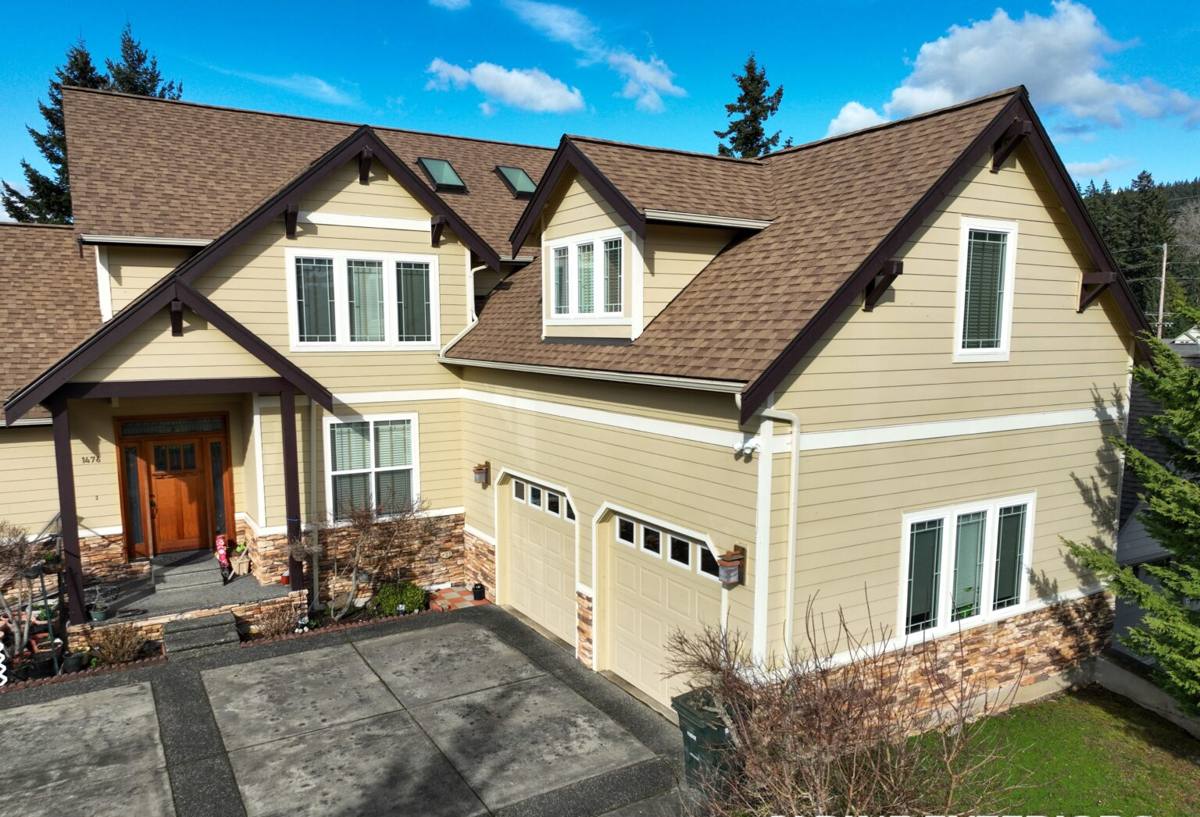
What Sudden Valley Homes Are Up Against
Before talking about materials, it's worth being honest about the conditions a deck out here actually faces:
- Extended shade from tree cover — surfaces stay damp longer after rain, which is the single biggest driver of moss, algae, and mildew growth on any decking material.
- A long wet season — Whatcom County sees months of steady, driving rain, and a deck built too close to grade or without proper drainage will hold water instead of shedding it.
- Airborne moisture off the coast — homes set back from the water still get some benefit (or cost) from the region's damp, salt-tinged air working on fasteners and hardware over time, even if the exposure is lighter than a waterfront lot would see.
- Organic debris — needles, leaves, and pollen collect in gaps and low spots, and if they're not cleared they trap moisture right where boards, joists, and fasteners meet.
None of this is unusual for the area — it's just the reality of building anything outdoors here. The goal isn't to avoid moisture entirely; it's to build a deck that sheds it, dries out between rains, and doesn't give mold and rot anything to grab onto.
Why Composite Decking Makes Sense in This Setting
Wood decking can absolutely be built well and maintained properly, but it asks a lot of a homeowner in a shaded, wet climate — annual cleaning, periodic sealing or staining, and close attention to any boards that stay damp longer than others. Skip a season of maintenance and moss, splintering, and soft spots show up fast, especially in the low-light areas under tree canopy.
Composite decking shifts that maintenance burden. It doesn't absorb water the way wood does, it won't splinter or rot, and it holds its color and surface texture without annual sealing. That doesn't mean it's maintenance-free — moss and algae can still grow on any surface that stays damp and shaded, composite included — but cleaning it is simpler and the material itself isn't degrading while you wait to get to it.
| Factor | Wood Decking | Composite Decking |
|---|---|---|
| Moisture absorption | Absorbs water, can swell/cup | Doesn't absorb water into the board core |
| Moss/algae resistance | Rough grain gives moss more to hold onto | Smoother or capped surface, easier to clean off |
| Annual maintenance | Cleaning plus sealing or staining | Periodic cleaning, no sealing/staining required |
| Splintering/rot risk | Real risk over time, especially in shade | Not a factor — no wood fiber to rot |
| Upfront material cost | Lower | Higher |
| Typical lifespan | 10–15+ years with consistent upkeep | 25–30+ years, brand and product dependent |
What a Correct Composite Deck Installation Actually Involves
Composite boards are more forgiving than wood in some ways and less forgiving in others. The material doesn't rot, but it does expand and contract with temperature, and it depends entirely on the substructure underneath it. A composite deck is only as good as the framing, spacing, and drainage built in before the first board goes down.
Substructure and Framing
Joists need to be sized and spaced correctly for the specific composite product being used — composite boards generally need tighter joist spacing than solid wood, and that spec varies by manufacturer. Framing material should be treated for ground and moisture contact, and any ledger connection to the house needs proper flashing so water is directed away from the wall, not into it.
Drainage and Airflow Underneath
In a shaded, wet setting like Sudden Valley, what happens under the deck matters as much as what happens on top of it. Low decks or decks close to grade need enough airflow underneath to let the substructure dry out between rain events. Blocked or poorly ventilated understructures are where hidden rot and mold problems start, even with composite boards on top.
Spacing and Fastening
Composite boards need consistent gapping between boards for drainage and for the material's natural expansion and contraction. Fasteners should be corrosion-resistant and rated for the specific board system — hidden fastener clips, where used, need to be installed to the manufacturer's spacing spec, not just "close enough." Loose or improperly spaced fasteners are one of the most common causes of squeaking, board movement, and uneven gaps over time.
Edge Details and Trim
Picture-framed edges, fascia boards, and stair details all need to account for end-cut sealing on certain composite products, proper stair stringer support, and code-compliant railing attachment. These details are where a rushed installation shows up first — loose fascia, gaps at stair edges, or railings that flex.
Board Selection for a Shaded, Moisture-Heavy Lot
Not every composite board performs the same way in low-light, high-moisture conditions, and this is worth thinking through before picking a color or finish.
- Capped composite boards have a protective outer shell that resists staining and moisture penetration better than uncapped boards — a real advantage where tree debris and prolonged dampness are a factor.
- Uncapped composite boards cost less but are more porous, which means they can hold onto moisture and organic staining longer in a shaded setting.
- Lighter board colors show pollen, dirt, and moss staining more visibly than darker, mottled colors — worth considering on a lot with heavy tree cover.
- Textured or wood-grain finishes can be a little more forgiving of surface debris visually, but any texture also gives moss slightly more surface to grip, so it's a tradeoff either way.
There isn't one universally "right" choice here — it depends on how much sun the deck actually gets, how close it sits to trees, and how much upkeep the homeowner wants to do. Part of a proper estimate is walking the specific lot and talking through that tradeoff honestly rather than defaulting to whatever's cheapest or most popular.
Our Process, Start to Finish
1. On-Site Walkthrough
We look at the actual site — sun exposure, tree proximity, existing grade and drainage, and the condition of any deck or structure already there. This is where board and color recommendations get made based on the real conditions, not guesswork.
2. Written Estimate
A clear scope and price before any work starts — what's being removed, what's being built, what materials are specified, and a realistic timeline.
3. Permitting
Deck projects above certain heights or attached to the home typically require a permit. We handle that process so the finished deck is built to code and won't cause problems at resale.
4. Demo and Framing
Old decking is removed and disposed of properly. Framing is built or reinforced to spec, with attention to ledger flashing, joist spacing for the chosen composite product, and drainage underneath.
5. Decking Installation
Boards are installed with correct spacing and fastening, edges and stair details are finished, and railings are installed to code.
6. Final Walkthrough
We walk the finished deck with you, cover basic care for the specific product installed, and make sure everything meets what was agreed to in the estimate.
Maintenance Checklist for Composite Decks in This Climate
Composite decking cuts down on maintenance, but "low-maintenance" isn't "no-maintenance," especially with the moss season this area sees. A simple seasonal routine keeps a composite deck looking right for the long haul:
- Sweep debris — needles, leaves, pollen — off the deck regularly, especially in fall and during the wettest months.
- Rinse the deck surface periodically with plain water to keep organic buildup from settling into the board texture.
- For moss or algae spots, use a soft-bristle brush and a cleaner labeled safe for composite decking — avoid pressure washers on high settings, which can damage the board surface.
- Check and clear the gaps between boards so debris isn't trapping moisture at the drainage points.
- Confirm airflow underneath the deck isn't blocked by storage, plants, or built-up debris.
- Inspect railings and stair connections annually for looseness, even though the decking itself doesn't need sealing or staining.
Cost Factors to Expect
Every deck is different, but these are the main variables that move the price on a composite deck project in this area:
| Factor | Impact on Cost |
|---|---|
| Deck size and shape | Larger and more complex layouts (angles, multiple levels) cost more |
| Board tier (capped vs. uncapped) | Capped composite costs more upfront, less upkeep over time |
| Height and railing requirements | Elevated decks need more substructure and code-compliant railings |
| Demo and disposal of an existing deck | Adds labor and haul-away cost |
| Site access | Tight, wooded, or sloped lots can add labor time |
| Permitting | Required for most attached or elevated decks; adds a modest fee and review time |
We don't quote a number without seeing the site — anyone who does is guessing. A proper estimate accounts for the actual lot, the actual product chosen, and the actual condition of what's being replaced.
Why Hire a Crew That Already Works Sudden Valley
Local experience matters more than it sounds like it should. A crew that's worked this neighborhood already understands the tree cover and drainage patterns common to the area, knows what county permitting typically involves for deck projects, and isn't guessing at how a given composite product will hold up under this much shade and rain. That translates into fewer surprises — framing built with the right drainage from the start, board choices that account for the actual sun exposure on your lot, and a crew that shows up prepared for the site conditions instead of learning them on the job.
It also means accountability. A local contractor is going to be around if a question comes up after the project wraps, not a name from out of the area that's hard to reach a year later.
If you're weighing composite decking for a home in Sudden Valley, we're glad to walk the site, talk through board options for your specific spot, and put together a straightforward, no-pressure estimate using the form below.