 Ferndale Siding
 Roof Repair Built for Bellingham and Ferndale's Weather
A roof in Bellingham doesn't fail the way a roof in a dry inland climate fails. Out here, close to the water and inside Whatcom County's marine air pattern, a roof spends most of the year wet, shaded, or both. That combination of moisture, salt-laden air, and long stretches without direct sun is what actually shortens a roof's working life — not one big storm, but months of small conditions stacking up. Repairing a roof correctly in this area means understanding that pattern, not just patching whatever is leaking today.
This page covers roof repair specifically for homes in and around Bellingham and Ferndale — what local conditions do to a roof, what a proper repair actually involves, and how we approach the job so it holds up through the next wet season instead of just the next dry week.
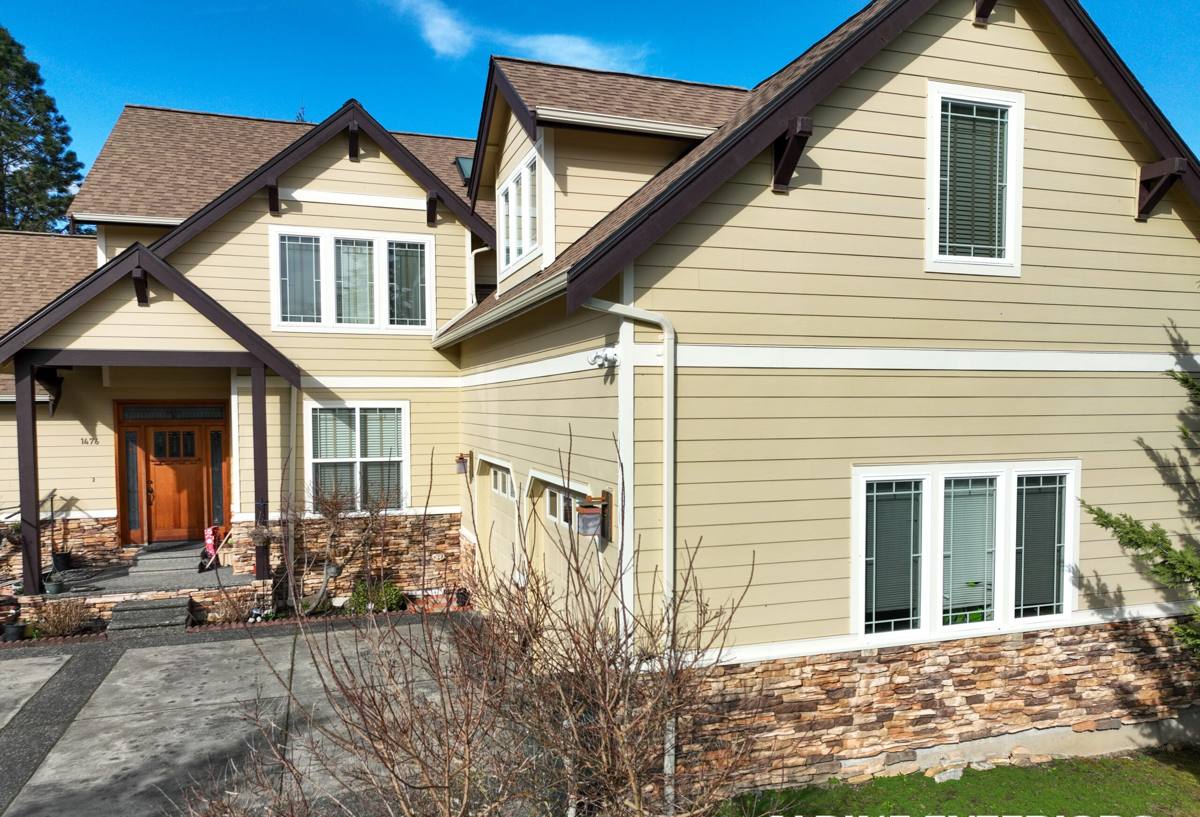
What Local Conditions Do to a Roof Over Time
Salt Air and Metal Fatigue
Homes closer to the water deal with a slow, steady corrosion problem that inland homes rarely see. Salt-laden air accelerates rust on exposed fasteners, metal flashing, gutter hardware, and any unpainted or scratched metal roofing components. A fastener that would last decades elsewhere can start weeping rust stains within a few years here. It's rarely dramatic — it shows up as small orange streaks below nail heads or flashing seams long before it becomes a structural problem, which is exactly why it's worth catching early.
Driving Rain and Wind-Driven Water
Whatcom County storms don't always come straight down. Wind-driven rain pushes water sideways and upward under shingle edges, around chimney flashing, and into any gap that a calmer rain would never find. This is the single biggest reason a roof that "looks fine" from the ground can still be leaking — the damage is happening at horizontal seams and flashing laps, not out in the open field of the roof where it's easy to spot.
Moss, Shade, and Prolonged Dampness
Between the tree cover common to Ferndale properties and the region's long stretch of overcast, damp weather, moss gets a real foothold on north-facing slopes and anywhere shingles stay shaded most of the day. Moss isn't just cosmetic. As it grows it lifts shingle edges, holds water against the roof deck, and works its root structure into the granule surface — which is what eventually leads to granule loss, soft spots, and premature shingle failure underneath the moss itself.
Signs a Bellingham-Area Roof Needs Repair
Most roof problems here give warning signs well before there's an active leak inside the house. Worth checking for, especially after a windy winter:
- Granules collecting in gutters or at downspout outlets — a sign shingles are wearing thin
- Dark streaking or green/black growth concentrated on shaded or north-facing slopes
- Curling, cupping, or lifted shingle edges, especially near ridges and rake edges
- Rust staining below flashing, vent boots, or exposed fasteners
- Soft or spongy spots when walked, which usually means the deck underneath is wet
- Daylight visible through the attic roof deck, or damp insulation below the roofline
- Water stains on interior ceilings that appear only during or after heavy wind-driven rain
- Cracked or missing pipe boot seals around plumbing vents
Any one of these on its own might be minor. Several together, especially combined with the roof's age, usually means it's worth a proper look before the next wet season.
What a Correct Roof Repair Actually Involves
Diagnose Before You Patch
The most common mistake in roof repair — anywhere, not just here — is treating the visible symptom instead of the source. A ceiling stain under a valley might trace back to a failed flashing three feet upslope, not the shingles directly above it. Water travels along the underlayment and roof deck before it shows up inside, so a repair that doesn't trace the actual path of the leak often "fixes" the wrong spot and the stain comes right back with the next storm.
Match the Existing Roofing System
A patch that doesn't match the surrounding shingles' type, age, and exposure creates a new weak point — different materials expire and expand at different rates, and a mismatched patch is often visible from the ground, which matters if the roof isn't due for full replacement yet. We match material weight, style, and where possible manufacturer line so the repair blends in and performs the same as the surrounding roof, not just looks similar from a distance.
Flashing, Ventilation, and the Details That Actually Leak
Field shingles rarely fail first — flashing does. Chimney flashing, valley flashing, step flashing along walls and dormers, and pipe boot seals are where most real leaks originate, and they're also where a rushed repair job cuts corners because they take more time to do right. A correct repair reseats or replaces flashing properly, checks that attic ventilation isn't trapping moisture against the deck from underneath, and confirms underlayment is intact before any new shingles go back down.
Common Repairs We Handle
| Repair Type | Typical Cause Locally | What's Involved |
|---|---|---|
| Flashing repair/replacement | Wind-driven rain, rust from salt air | Remove and reseat or replace flashing at chimneys, valleys, walls |
| Shingle replacement (spot) | Wind lift, aging, moss damage | Remove damaged shingles, inspect deck, install matching replacements |
| Moss remediation and prevention | Shade, prolonged dampness | Careful removal, treatment, and addressing the shade/drainage cause |
| Deck repair | Long-term leak, rot underneath shingles | Cut out and replace damaged sheathing before re-roofing that section |
| Vent boot / penetration seal | Rubber seal aging, UV and moisture cycling | Replace boot or seal, check surrounding shingle condition |
| Gutter and edge repair | Rust, debris backup, ice/wind stress | Repair or reseal roof edge and drainage path |
Our Process, Start to Finish
- Inspection. We walk the roof (or use appropriate access for steep or fragile roofs) and check attic space where accessible, tracing suspected leaks to their actual source rather than assuming based on where the stain appears inside.
- Honest assessment. We tell you plainly whether this is a repair, several repairs, or a sign the roof is closer to the end of its useful life. If a repair is the right call, we explain exactly what's being done and why.
- Written estimate. Scope and price before any work starts — no surprise add-ons once the crew is already on the roof.
- The repair itself. Proper tear-out of the damaged area, deck inspection underneath, correct underlayment and flashing detail, and matched materials on top.
- Cleanup and walk-through. Job site cleared of debris and nails, and we walk you through what was done and what to watch going forward.
Repair vs. Replacement — Making the Right Call
Not every roof problem calls for a full replacement, and not every leak can be permanently solved with a patch. The honest answer depends on a few factors:
| Factor | Leans Toward Repair | Leans Toward Replacement |
|---|---|---|
| Roof age relative to material lifespan | Early-to-mid life | Nearing or past expected service life |
| Extent of damage | Localized (one slope, one flashing area) | Widespread granule loss, multiple leak areas |
| Deck condition | Solid, dry sheathing | Soft, rotted, or repeatedly wet decking |
| History of repairs | First or occasional repair | Recurring leaks in different spots each year |
| Moss/algae extent | Isolated, treatable | Heavy, long-term growth affecting shingle integrity broadly |
We'd rather tell you a repair will hold for several more years than push a replacement you don't need — and we'd rather tell you honestly when a repair is just delaying an inevitable and more expensive problem. Cost for a straightforward flashing or spot shingle repair is generally a modest, contained expense; deck repair or damage spanning multiple areas of the roof costs more because it involves more tear-out and materials. We'll walk you through the specific factors on your roof before you commit to anything.
Why Hire a Crew That Already Works Bellingham
Roofing crews who mostly work drier inland markets sometimes miss the details that matter here — under-detailing flashing because wind-driven rain isn't something they deal with regularly, or not accounting for how much moss pressure a shaded, damp roof in Whatcom County actually sees year over year. A crew that works Bellingham and Ferndale roofs regularly already knows which flashing details need extra attention, which slopes tend to hold moss, and how salt air affects fastener choice near the water. That local pattern recognition is part of what makes a repair actually last instead of needing a repeat visit in eighteen months.
We're a Ferndale-based siding and exterior contractor, and roof repair is part of keeping the whole exterior envelope of a home working together — roof, flashing, siding, and drainage all affect each other, especially in a climate this wet. When we're on your roof, we're looking at the whole system, not just the one spot that's currently leaking.
Get a Free, No-Pressure Estimate
If you're seeing moss buildup, granule loss, a stain on a ceiling after the last windstorm, or you just want an honest opinion on a roof's condition, we're happy to take a look. The estimate is free, there's no pressure to move forward, and you'll get a straight answer about whether you're looking at a simple repair or something bigger — use the form below to get started.