 Ferndale Siding
 Siding Replacement in Custer: A Different Set of Conditions
Custer sits close enough to the water and open farmland north of Ferndale that its homes take on a specific combination of weather stress: salt-laden air moving in off the Strait, wind-driven rain that finds every gap in a siding system, and a wet season that runs long enough to grow moss on anything that stays damp. None of that is unique to one street or one subdivision — it's a regional pattern across this part of Whatcom County — but it does mean siding here ages differently than siding in a drier inland climate. A replacement job done right in Custer accounts for all three factors from the start, not as an afterthought.
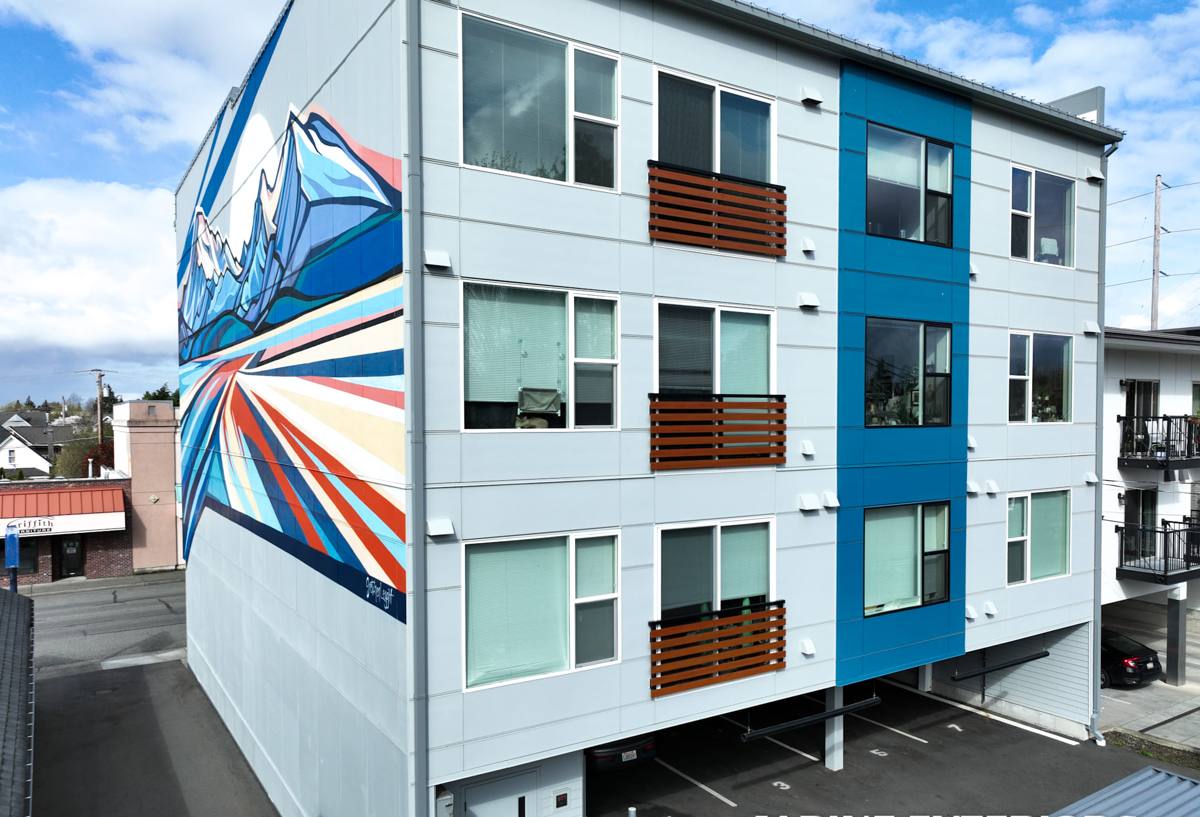
What Salt Air, Driving Rain, and Moss Season Actually Do
Each of these conditions attacks siding in a different way, and understanding the mechanism helps explain why some materials and installation shortcuts fail faster here than elsewhere.
Salt Air
Airborne salt accelerates corrosion on fasteners, flashing, and any exposed metal trim. It also degrades cheaper paint and coating systems faster than a factory-cured finish, leading to chalking, fading, and early peeling on siding that isn't built for coastal-adjacent exposure.
Driving Rain
Wind-driven rain doesn't just fall straight down — it gets pushed sideways and upward under laps, around windows, and behind trim. A siding system is only as good as its water-management details: house wrap laps, flashing sequence, and caulking at penetrations matter more here than the siding material itself.
Moss Season
Long stretches of damp, shaded weather let moss and algae establish on north-facing walls and anything under tree cover. Moss holds moisture against the surface far longer than open air would, which is hard on materials that swell, rot, or absorb water when their protective layer is compromised.
Signs a Custer Home Needs Replacement, Not Just Repair
Not every siding problem calls for a full tear-off. But there's a point where patching stops being cost-effective and starts masking a bigger problem underneath.
- Soft or spongy spots when you press on the siding, especially near the bottom courses or under windows
- Persistent moss or algae growth that returns within weeks of cleaning
- Visible warping, cupping, or separation at seams and corners
- Paint that's failing across large sections rather than a single weathered patch
- Interior signs — musty smell, staining on interior walls near exterior corners, or peeling interior paint on an exterior-facing wall
- Siding that's original to a home built more than 20-25 years ago, especially with older wood or lower-grade composite products
If you're seeing two or more of these at once, it's usually a sign that moisture has been getting behind the siding for a while, not just weathering the surface.
What a Correct Siding Replacement Actually Involves
The siding itself is the visible part, but most of the long-term performance comes from what happens before a single board goes up.
| Step | Why It Matters in This Climate |
|---|---|
| Full tear-off and sheathing inspection | Reveals hidden rot or moisture damage behind old siding before it's sealed back in |
| Repair or replace damaged sheathing | New siding installed over compromised sheathing fails from the inside out |
| Weather-resistive barrier, properly lapped | Manages the driving rain that gets past the outer surface |
| Correct flashing at windows, doors, and penetrations | The single most common source of long-term leaks when done wrong |
| Proper fastener type and spacing | Reduces corrosion risk from salt-laden air and keeps panels secure in wind |
| Factory-finished siding installed to manufacturer spec | Preserves the coating warranty and resists moss, fading, and moisture better than field-applied paint |
Skipping or rushing any one of these steps is usually invisible on install day and expensive five to ten years later.
Why We Install Only James Hardie Fiber Cement
We made a deliberate decision to install one siding system across every job we take on: James Hardie fiber cement. We don't install vinyl, LP SmartSide, or wood products like cedar or primed spruce, and it's worth explaining why, especially for a Custer home dealing with salt air and long wet seasons.
Fiber cement doesn't absorb water and swell the way wood-based products can, and it won't soften or rot from prolonged moss contact the way untreated or under-primed wood siding does. It's non-combustible, which matters given the dry summer wildfire smoke seasons this region has seen in recent years even if direct wildfire risk is lower here than east of the mountains. Hardie's ColorPlus factory finish is baked on under controlled conditions, which holds up to UV and salt exposure noticeably better than a field-applied paint job, and the HZ5 product line is engineered specifically for the kind of moisture exposure the Pacific Northwest sees.
We're not going to tell you every other product on the market is bad — vinyl and engineered wood sidings have real advantages in cost and weight, and plenty of homes carry them without issue. But we've chosen to standardize on one system we can install to spec, back with a real warranty, and stand behind, rather than offer several products at different quality tiers.
Our Process for a Custer Siding Replacement
The order of operations doesn't change much from house to house, but the pace and attention at each step is what separates a durable job from a five-year fix.
- On-site assessment. We look at the current siding, sheathing condition where accessible, drainage around the foundation, and any trouble spots like north-facing walls or areas under tree cover.
- Scope and estimate. You get a clear breakdown of what's being replaced, what product line and profile we're proposing, and why.
- Tear-off and inspection. Old siding comes off, and we inspect the sheathing and framing underneath before covering anything back up.
- Repairs as needed. Any rot or damage gets addressed before the new weather barrier goes on — this is the point where hidden problems either get fixed or get sealed in, so we don't skip it.
- Weather barrier and flashing. Proper lapping and flashing sequence around every window, door, and penetration.
- Hardie installation to manufacturer spec. Correct fastener placement, gapping, and clearances so the warranty stays intact.
- Final walkthrough. We go over the finished work with you before calling the job done.
Why a Local Crew Matters for Custer Homes
Siding contractors who already work regularly in and around Ferndale and Custer have a practical advantage that has nothing to do with sales pitches: they've seen how homes in this specific stretch of Whatcom County actually age. That means recognizing which wall orientations tend to hold moss, which older subdivisions were built with siding products that are now failing on a predictable timeline, and how local permitting and inspection typically works. It also means a crew that's easy to reach if a question comes up after the job is done, rather than a company that worked one job in the area and moved on.
Cost Factors to Understand Before You Get a Quote
Every home is different, so we won't quote a number without seeing the house, but these are the variables that move a siding replacement estimate up or down.
| Factor | Effect on Cost |
|---|---|
| Extent of hidden sheathing damage | Higher — repairs found during tear-off add material and labor |
| Home size and wall complexity | Higher for homes with many corners, dormers, or roof lines |
| Siding profile and accessory trim chosen | Varies — lap width, trim detail, and accent choices change material cost |
| Access and site conditions | Higher for homes with limited access, steep grades, or heavy landscaping against walls |
| Full tear-off vs. partial replacement | Partial can cost less upfront but may not address hidden moisture issues |
A Short Checklist Before You Call a Contractor
- Walk your home's exterior and note any soft spots, moss buildup, or visible warping
- Check for interior signs like staining or musty smells near exterior walls
- Note how old your current siding is and what material it appears to be
- Ask any contractor you're considering what siding brand they install and why they chose it
- Ask specifically how they handle sheathing repair if damage is found during tear-off
- Confirm what warranty coverage applies to both the material and the labor
If you're seeing any of the warning signs above on a Custer property, or you just want an honest read on whether your siding still has years left in it, we're happy to take a look. A free, no-pressure estimate gets you a clear picture of your options with no obligation — you can request one using the form below.