 Ferndale Siding
 Siding Installation for Semiahmoo Homes
Homes in and around Semiahmoo sit close enough to the water that siding takes a different kind of beating than it does ten or fifteen miles inland. Salt-laden air, wind-driven rain off the Salish Sea, and a moss season that can stretch from October into May all work on a wall system year-round, not just during a few storms. Siding installation here isn't a cosmetic job — it's a decision about what's going to stand between a home and that climate for the next few decades.
This page covers what siding installation actually involves for homes in this part of Whatcom County: what the local climate demands from the material and the install, how we approach the job, and why a crew that already works this specific area, rather than one passing through, tends to get better long-term results.
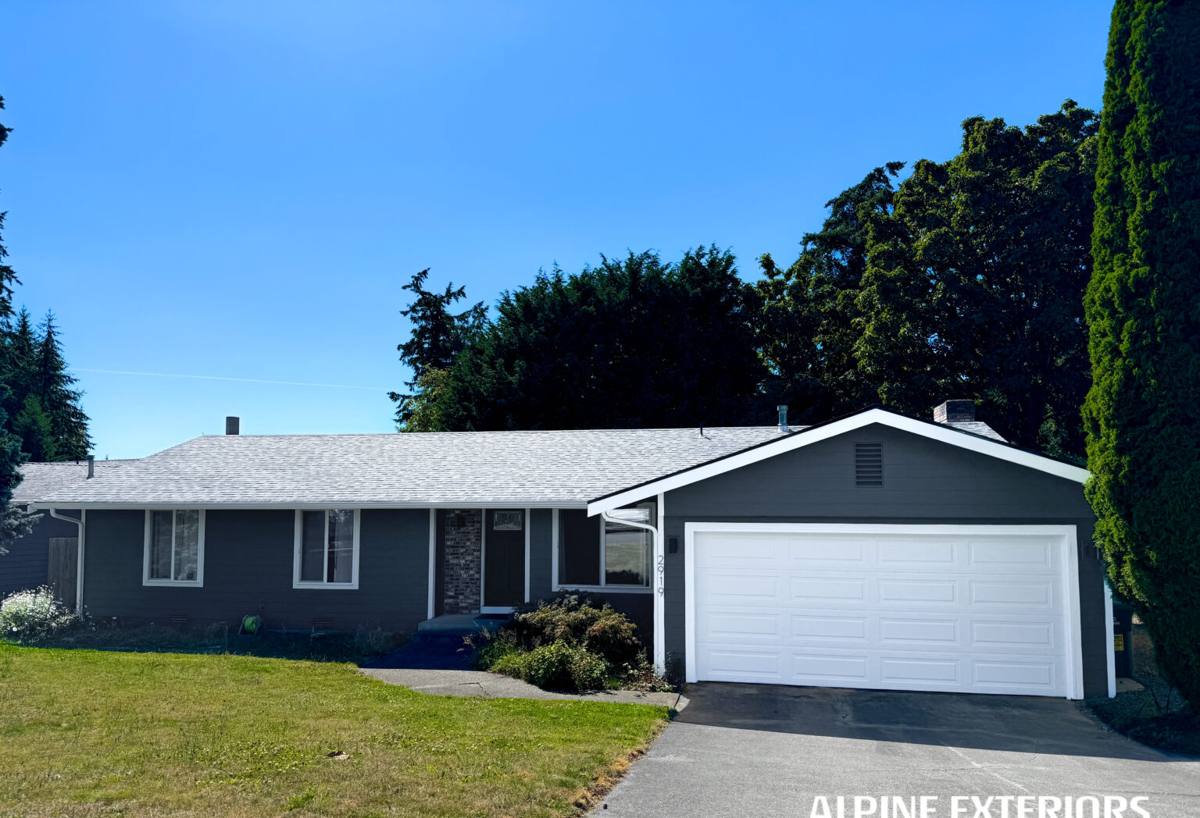
What the Semiahmoo Climate Does to Siding
Three things define the climate load on siding here, and each one attacks a different weakness in a wall system.
Salt Air
Proximity to saltwater means airborne salt settles on exterior surfaces and works its way into fasteners, trim seams, and any exposed cut edges. Metal fasteners and trim that aren't corrosion-resistant will show rust streaks and eventually fail years before an inland installation would. Siding material that isn't dimensionally stable in that environment also tends to show more surface wear.
Driving Rain
Storms coming off the water don't just fall straight down — wind pushes rain sideways into wall assemblies, which is exactly the condition that exposes weak flashing, poor lap sequencing, and undersized water-resistive barriers. A siding job that looks fine on a calm day can fail during the first real windstorm if the water management details underneath weren't done correctly.
Moss and Sustained Moisture
Whatcom County's long wet season keeps north-facing and shaded walls damp for extended stretches. That moisture supports moss, algae, and mildew growth on siding surfaces, and more importantly, it keeps the substrate behind the siding wet if the assembly doesn't drain and dry properly. Materials that absorb and hold moisture, or installations without a ventilated drainage plane, are the ones that develop soft spots, paint failure, and rot over time.
Why We Install James Hardie Fiber Cement Here
We install James Hardie fiber cement siding exclusively — we don't install vinyl, LP SmartSide, primed spruce, cedar, or other fiber cement brands. That's not a marketing position; it's a standard we hold because of what this climate does to alternatives.
Hardie's HZ5 product line is engineered specifically for climates like this one — freeze-thaw cycling combined with heavy, sustained moisture exposure. Fiber cement doesn't absorb water the way wood-based products do, doesn't warp or delaminate under repeated wet-dry cycles, and is non-combustible, which matters given wildfire smoke seasons that now affect the whole Pacific Northwest. The factory-applied ColorPlus finish is baked on under controlled conditions rather than field-painted, which gives it better adhesion and fade resistance than a job-site paint job exposed to salt air before it's fully cured.
None of this means other products are junk — vinyl is inexpensive and low-maintenance in mild climates, and cedar has real aesthetic appeal. But vinyl can warp and become brittle with UV and temperature swings, engineered wood products carry real moisture-sensitivity if the install isn't precise, and cedar demands a maintenance schedule most homeowners underestimate. Given what salt air, driving rain, and moss exposure do to a wall assembly here, we've standardized on the product that holds up best without asking homeowners to fight the climate every few years.
How Common Siding Options Compare in This Climate
| Material | Salt Air Resistance | Moisture Behavior | Moss/Algae Resistance | Typical Maintenance |
|---|---|---|---|---|
| James Hardie fiber cement | Strong; won't corrode or pit | Doesn't absorb water, dimensionally stable | Resists growth on factory finish | Occasional wash; repaint only if ever needed |
| Vinyl | Moderate; fasteners/trim can corrode | Can warp with heat/moisture cycling | Can trap moisture behind panels | Low, but panels can crack/fade over time |
| Engineered wood (LP-type) | Moderate | Sensitive to moisture at cut edges/seams | Vulnerable if finish is compromised | Regular inspection of seams and edges |
| Cedar | Weak without diligent upkeep | Absorbs moisture, prone to swelling | Susceptible without regular treatment | Frequent staining/sealing |
What a Correct Installation Actually Involves
The material only performs as well as the installation underneath it. In a climate that pushes water sideways and keeps walls damp for months, the details matter more than they would somewhere drier.
Drainage and Ventilation
A rainscreen gap between the siding and the water-resistive barrier lets any moisture that gets past the siding drain and dry out instead of sitting against the sheathing. This is one of the first things we check on any Semiahmoo-area project — homes without it are far more likely to show trapped moisture damage over time.
Flashing and Water Management
Every window, door, and horizontal trim transition is a place water can get behind the siding if flashing isn't lapped correctly, shingle-style, from the bottom up. Given how much wind-driven rain this area sees, flashing details that would be marginal in a calmer climate become real failure points here.
Fastening and Fastener Selection
Corrosion-resistant fasteners, installed at the manufacturer's specified pattern and depth, are non-negotiable this close to saltwater. Overdriven or underdriven nails compromise both the weather seal and the siding's ability to expand and contract normally.
Joint and Seam Treatment
Manufacturer-specified gaps, sealants rated for the exposure, and correct caulking at butt joints keep water from wicking into cut edges — the most vulnerable part of any fiber cement panel if it isn't sealed per spec.
Our Process for a Semiahmoo-Area Project
- Assessment: We inspect the existing siding, sheathing, and trim for hidden moisture damage before quoting anything — this area's climate means we look harder for issues that wouldn't show up on a home fifteen miles inland.
- Prep and tear-off: Old siding and any compromised sheathing or building paper come off, and we address rot or soft spots before anything new goes up.
- Water-resistive barrier and drainage plane: We install or verify the weather barrier and rainscreen gap before the first piece of siding goes on — this step gets skipped more than any other, and it's the one that matters most here.
- Flashing: All windows, doors, and horizontal transitions are flashed and lapped correctly for wind-driven rain exposure.
- Siding installation: James Hardie panels or lap siding installed to manufacturer spec — fastener pattern, gaps, and joint treatment included.
- Final inspection and punch list: We walk the finished job looking specifically for anything that could become a moisture entry point down the road.
Cost Factors for Semiahmoo Siding Projects
Every home is different, but the same handful of factors tend to move the price on jobs in this area:
| Factor | Why It Matters Here |
|---|---|
| Existing moisture damage | Homes exposed to long wet seasons and salt air more often need sheathing or framing repair before new siding goes on |
| Home size and wall complexity | More corners, dormers, and trim details mean more flashing and cutting |
| Removal of old siding | Tear-off and disposal of failing material adds labor, especially with wood-based products that have absorbed moisture |
| Access and site conditions | Waterfront-adjacent lots can have wind exposure or access constraints that affect scaffolding and staging |
| Trim and finish selection | Factory-finished ColorPlus trim versus field-painted alternatives affects both cost and long-term maintenance |
What to Look for in a Siding Contractor Here
Not every contractor who'll take a job in Semiahmoo actually works this area regularly, and that matters more than it sounds like it should. A crew based here knows which walls take the worst of the weather, how the moss season affects install timing, and what moisture issues actually show up on homes this close to the water — because they've already seen it, not because they read about it.
- Ask how many projects they've completed specifically in this part of Whatcom County, not just the region broadly
- Confirm they install to the manufacturer's written installation instructions, not a generalized approach
- Ask what their plan is for drainage and rainscreen detailing before they quote the job
- Check that fasteners and flashing materials are rated for coastal/salt-air exposure
- Get a clear explanation of what their warranty covers versus what the manufacturer's warranty covers
- Ask how they sequence work around this area's wet season to avoid installing over damp substrate
Why a Local Crew Matters for This Job
Siding installation done to spec looks nearly identical whether it's installed by a crew that knows the area or one that doesn't — right up until the first few winters pass. The difference shows up later, in whether the flashing held during a sideways rainstorm, whether the drainage plane actually let the wall dry out, and whether the fasteners are still solid after a few salt-air seasons. A crew that already works Semiahmoo and the surrounding Ferndale area has already made the adjustments this climate demands, rather than treating it like any other job.
If you're considering siding replacement or new siding installation on a home in this area, we're happy to take a look and talk through what your home actually needs — no pressure, no obligation. Reach out for a free estimate using the form below.