 Ferndale Siding
 Deck Repair on Semiahmoo: Fixing What the Spit Actually Does to a Deck
Semiahmoo sits out on a narrow spit between Semiahmoo Bay and Drayton Harbor, near Blaine and the Canadian border, and it's one of the more exposed residential settings in Whatcom County. Water sits on more than one side of most properties out there, with little to break the wind before it reaches a house. A deck takes that exposure directly, with no roofline or wall to shield it, which is why decks on the spit tend to show wear years before a comparable deck built a few miles inland.
We're a Ferndale-based crew that works Semiahmoo regularly as part of our Whatcom County service area, and deck repair out there is different work from deck repair on a sheltered inland lot. This page covers what actually goes wrong with decks on Semiahmoo, how we decide what's repairable versus what needs to come out, and what a repair done right for this specific location involves.
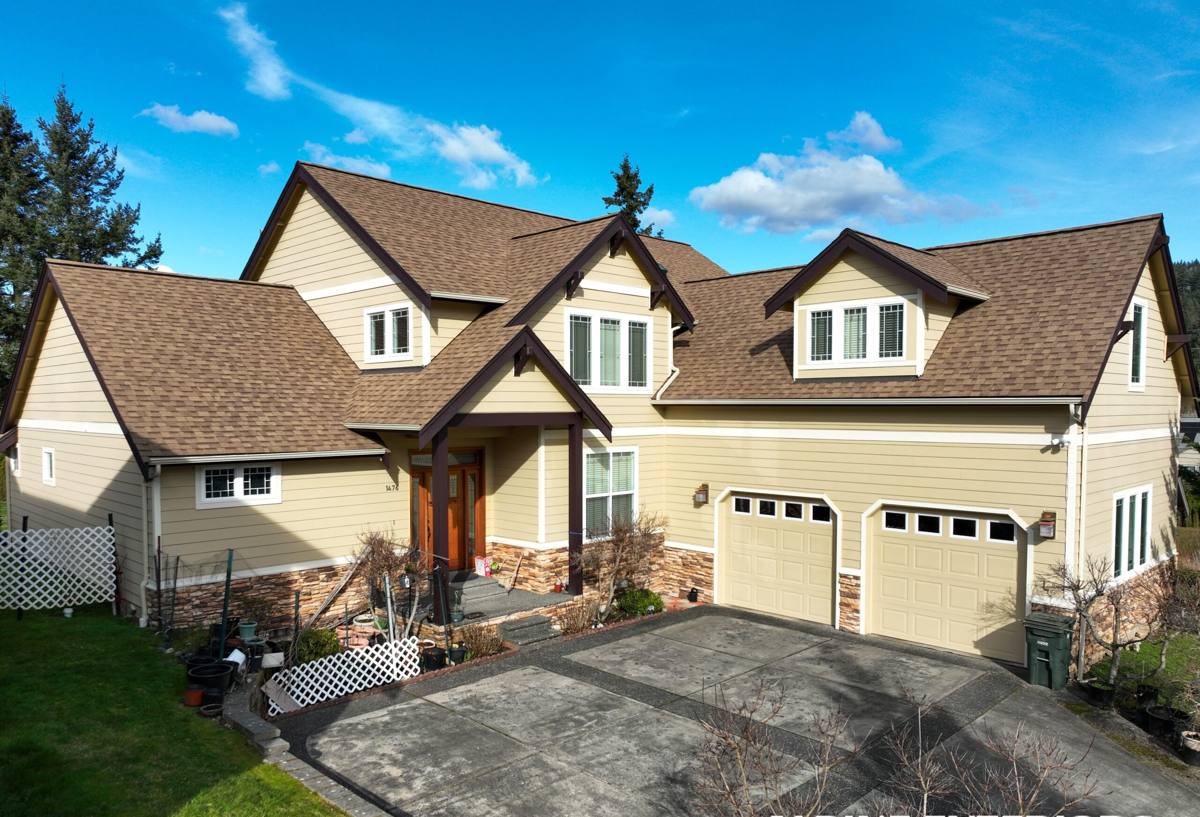
What Salt Air, Rain, and Moss Do to a Semiahmoo Deck
Salt Air From More Than One Direction
Because the spit has water on multiple sides, salt-laden air reaches a deck from more than one prevailing direction instead of the single exposure a typical inland property deals with. Salt speeds up corrosion in exposed metal — deck screws, joist hangers, post bases, railing brackets — and a corroding fastener loses holding strength well before it looks obviously bad from the surface. On a structure people stand and walk on, that's a safety issue as much as a cosmetic one, and it's the single biggest reason we see structural repair calls out here sooner than we do elsewhere in the county.
Wind-Driven Rain With Almost No Windbreak
Rain on the spit rarely falls straight down. Open wind pushes it sideways into railings, up under ledger connections, and between deck boards that were gapped for a calmer site than this one. That sideways-driven moisture load is heavier than what the region's general rainfall totals suggest, and it's a common reason a deck built to a generic spec starts trapping water in places it was never supposed to collect.
A Moss Season That Runs Most of the Year
Mild temperatures and near-constant humidity give moss a long growing season across Whatcom County, and a horizontal deck surface holds water longer than a vertical wall does, so it's usually one of the first places moss and mildew take hold. Shaded decks and north-facing surfaces on Semiahmoo properties tend to show it earliest and hold onto it longest, especially where mature landscaping or tight lot spacing blocks direct sun for most of the day.
The Deck Problems We See Most Often Out Here
Repair calls on Semiahmoo decks tend to fall into a fairly consistent set of patterns, which makes sense once you account for what the site is doing to the structure year-round.
- Corroded or failing fasteners and connectors, especially on decks built with standard-grade hardware instead of corrosion-resistant fastening
- Soft or spongy decking boards, most often on shaded sections or wherever debris has been sitting against the surface
- Ledger board connections leaking where the deck ties into the house, often invisible until the framing underneath is already affected
- Loose or wobbling railing posts, usually from fastener corrosion or a post base that was never properly flashed
- Cupped, warped, or split boards from repeated wetting and drying cycles, particularly on wood decking that hasn't been resealed on schedule
- Moss and organic buildup wedged between boards, holding moisture against the framing long after the surface looks dry
- Understructure rot in joists or beams, typically found only once a soft spot or bounce in the decking prompts a closer look
Repair or Replace? How We Make That Call
Not every deck problem on Semiahmoo means starting over, and not every deck that still looks fine on the surface is actually sound underneath. We look at the extent of the damage, where it's located, and how long it's likely been developing before recommending either path.
| What We Find | What It Usually Means | Typical Direction |
|---|---|---|
| Localized soft boards or a few corroded fasteners | Isolated moisture or hardware failure, framing underneath still sound | Targeted repair |
| Leaking ledger connection caught early | Flashing failure at one connection point, limited framing exposure | Ledger and flashing repair |
| Soft or spongy framing across multiple joists | Sustained moisture intrusion over more than one season | Partial or full structural rebuild |
| Widespread board cupping, splitting, and fastener corrosion | Original materials or hardware not suited to this exposure | Full deck replacement with corrosion-rated materials |
| Deck older than typical service life for its material with recurring issues | Repairs would be chasing symptoms rather than the cause | Replacement usually the better long-term value |
Exact scope always depends on what we actually find once we pull a board or check a connection, which is why we look at the deck in person before recommending either direction.
What a Correct Repair Involves on This Site
A repair that just replaces a bad board or a wobbly post without addressing why it failed usually buys a homeowner a season or two, not a lasting fix. On Semiahmoo, a repair done right generally includes:
- Identifying and correcting the actual moisture source, not just replacing the board or fastener that failed as a result of it
- Stainless steel or other corrosion-resistant fasteners and connectors on any repair work, matching the exposure the site actually sees
- Sistering or replacing affected framing members rather than resurfacing over soft or compromised joists
- Re-flashing ledger connections where the deck ties into the house, since that joint is one of the most common places we find hidden water damage
- Correct board gapping on any replaced decking so wind-driven rain and standing moisture can drain and dry the way the design intends
- Matching replacement material to the existing deck where reasonable, or flagging when a mismatched repair won't hold up as well as a broader material upgrade
- Checking railing post attachment and hardware for the wind exposure this specific site sees, not a generic inland spec
Signs Your Semiahmoo Deck Needs a Closer Look
- Boards that feel soft, spongy, or give slightly underfoot in any spot
- Rust staining around fastener heads or where metal hardware meets the wood or composite surface
- Railing posts that flex, wobble, or feel less solid than they used to
- Moss or dark staining that comes back quickly after cleaning, especially on shaded areas
- Gaps opening up at the ledger connection where the deck meets the house
- Visible cupping, splitting, or warping across multiple boards
- A noticeable bounce or give in the deck surface when walked on
How Our Repair Process Works
We start with an on-site inspection that goes past the visible surface — checking fastener condition, probing suspect boards and framing for soft spots, and looking closely at the ledger connection and any post bases, since those are the points that fail first on an exposed property like this. From there we give a straightforward assessment of what we found and what it means, including whether the damage is contained or has spread further into the structure than it looks from the surface.
Once we've agreed on scope, repair work generally follows the same order regardless of size: address the moisture source first, replace or sister any compromised framing, then move to fastening, decking, and railing repairs with hardware rated for this site's exposure. We finish with a walkthrough covering what the repaired sections still need going forward, and we're direct about it if a repair is likely to need revisiting sooner because of the material it's matched to.
Keeping a Repaired Deck Healthy Going Forward
A correctly done repair holds up a lot longer with a little routine attention, which matters more on Semiahmoo than it would on a sheltered inland lot.
- Rinse the deck periodically to clear salt residue and organic buildup before it works into the surface
- Keep gaps between boards clear of leaves and debris so water can actually drain the way it's designed to
- Check railing posts and visible hardware once or twice a year for early corrosion or loosening
- Reseal or refinish wood decking on the schedule the material actually needs in this climate, not just when it visibly starts to look worn
- Address any soft framing or standing water underneath right away — it's a structural issue that gets more expensive the longer it sits
Why It Matters That We Already Work Semiahmoo
A crew that mostly repairs decks on sheltered inland lots can still do competent work, but a deck on the spit has failure patterns that don't show up as often elsewhere in the county — corrosion moving faster on standard hardware, wind-driven rain finding its way into joints that would hold up fine a few miles inland, and moss pressure that runs longer here than in more sheltered towns. Working Semiahmoo regularly as part of our Ferndale-based service area means we're not guessing at those patterns when we open up a deck here. We know which fastener grades actually hold up on this stretch of coastline and which repairs are worth doing properly versus which decks have reached the point where a patch just delays the inevitable.
If your Semiahmoo deck has a soft spot, a wobbly railing, or you just want an honest read on what it actually needs, we're glad to take a look. Reach out below for a free, no-pressure estimate.