 Ferndale Siding
 Sandy Point Windows Work Harder Than Windows a Few Miles Inland
Homes in Sandy Point sit closer to the water than most of Ferndale, and that proximity changes what a window has to withstand. Salt-laden air corrodes hardware and finishes faster than dry inland air. Wind-driven rain off the Strait pushes water sideways into gaps that would stay dry on a more sheltered lot. And the tree cover and damp shoulder seasons common to Whatcom County mean moss and algae get a long runway to take hold on frames, sills, and the trim around them. None of this means Sandy Point homes need exotic products. It means the installation has to account for exposure that a generic, one-size-fits-all approach often misses.
We install windows throughout Ferndale and greater Whatcom County, but we treat waterfront and near-waterfront properties like Sandy Point as their own category. The window itself matters. How it's flashed, sealed, and integrated into the wall matters more.
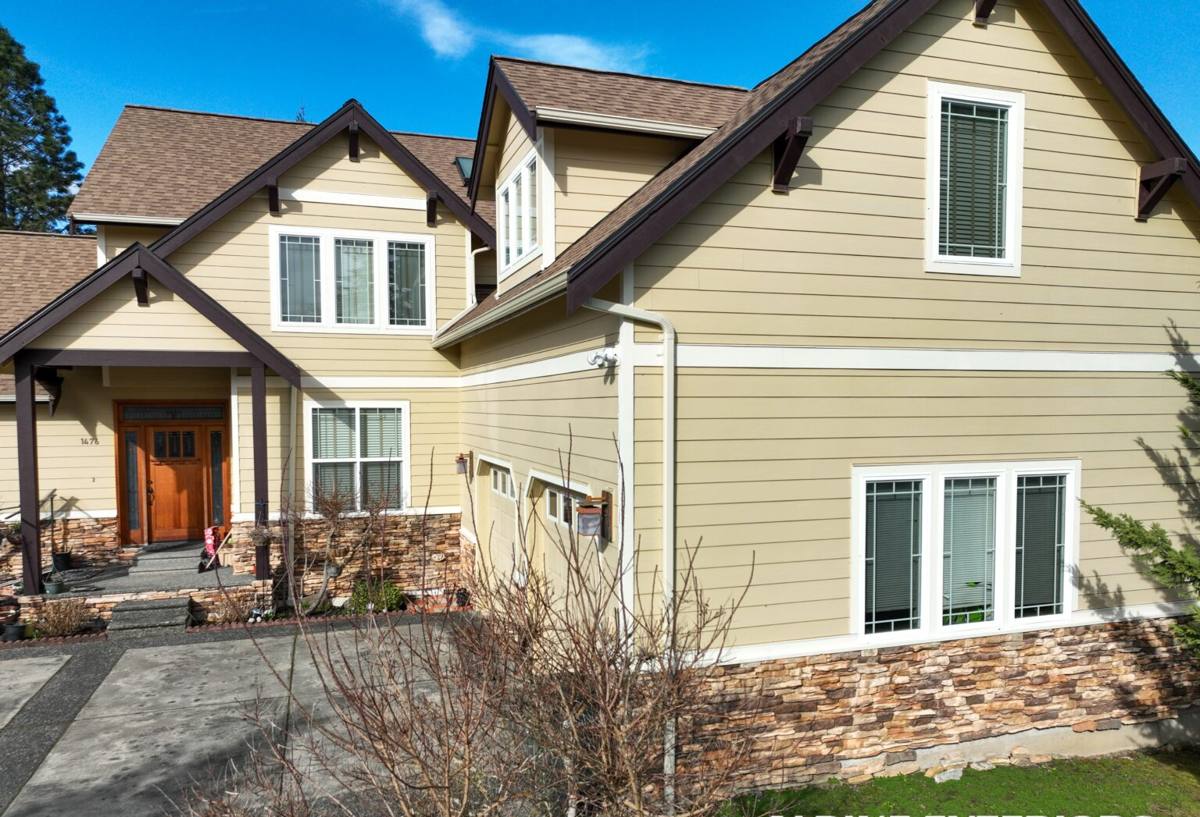
What Salt Air and Driving Rain Actually Do to a Window Over Time
Salt Air
Airborne salt is corrosive to exposed metal. Window hardware, screen frames, and lower-quality cladding fasteners can pit and corrode years before they would inland. Once hardware corrodes, locks and rollers bind, and a window that used to open smoothly starts fighting you every time.
Driving Rain
Wind off open water doesn't just fall on a window, it drives into it horizontally. That pressure finds any weak point in the seal around the frame, at the nailing flange, or where trim meets siding. A poorly sealed window in a sheltered location might leak a little during a bad storm. The same gap on an exposed Sandy Point wall can mean real water intrusion behind the siding.
Moss and Extended Dampness
Whatcom County's long wet season keeps north- and shade-facing walls damp for months at a time. Moss and algae get a foothold on sills, in corners, and anywhere water sits instead of shedding. Beyond the cosmetic issue, sustained dampness against wood trim or an under-sealed frame is what eventually leads to rot.
Signs a Sandy Point Home May Need New Windows
- Hardware that's stiff, corroded, or won't lock cleanly anymore
- Visible fogging or moisture between panes of double-glazed glass
- Soft or discolored wood trim around the frame, especially at the bottom corners
- A noticeable draft or cold spot near the window even when it's shut
- Paint or finish that's failing faster on window trim than on the rest of the wall
- Persistent moss or black staining on sills that comes back soon after cleaning
- Windows that are original to a home built decades ago, before better sealing and glazing standards were common
Any one of these can be a minor fix. Several at once, especially on a wall that faces the water or prevailing wind, usually points to windows that are past the point where caulk and weatherstripping will solve the problem.
What a Correct Installation Actually Involves
Window installation is often sold as swapping an old unit for a new one. On an exposed site like Sandy Point, the window is only part of the job. The water management around it is what determines whether the install holds up.
The Opening Comes First
Before a new window goes in, the rough opening gets inspected. Any rot, soft framing, or old failed sealant gets addressed rather than sealed over. Installing a good window into a compromised opening just hides a problem, it doesn't fix it.
Flashing and Water Management
Proper flashing directs any water that gets past the exterior finish back out, rather than into the wall cavity. This includes sill pan flashing at the bottom of the opening, correctly lapped flashing tape at the sides and head, and integration with the home's existing weather-resistive barrier so water has a continuous path out, not a place to collect.
Sealing That Matches the Exposure
Sealants and backer rod get chosen and applied for a wet, salt-exposed climate, not a generic interior standard. On the sides and head of the window, this means a continuous, properly sized bead with correct joint geometry, not just a smear of caulk over the gap.
Interior and Exterior Finish Work
Trim, interior sills, and casing get reset cleanly, and any exterior trim is refinished or replaced so the whole opening looks and performs as one system, not a new window bolted into old, mismatched trim.
Choosing Materials for a Waterfront Climate
There's no single "best" window material for every home. The right choice depends on exposure, budget, and how much upkeep an owner wants to take on. For Sandy Point specifically, corrosion resistance and moisture tolerance carry more weight than they would on a sheltered inland lot.
| Material | How It Handles Salt Air & Moisture | Upkeep |
|---|---|---|
| Vinyl | Doesn't corrode; performs well against salt air when hardware is quality-grade | Low — occasional cleaning |
| Fiberglass | Very stable in temperature swings and moisture; strong option for exposed sites | Low |
| Aluminum-clad wood | Good exterior protection, but relies on the cladding and seals staying intact | Moderate — watch seams and joints |
| Bare wood | Handsome, but most vulnerable to sustained moisture and salt exposure without diligent upkeep | High — regular refinishing needed |
We'll walk through these trade-offs honestly for your specific home rather than pushing one product line. A bare wood window can be the right call on a covered porch wall. It's a harder sell on a wall that takes direct wind and rain off the water, unless the owner is committed to keeping up with the finish.
Glass Considerations
Double- or triple-pane glass with a quality low-E coating helps with both energy performance and condensation control, which matters in a climate where interior humidity and cold, damp exteriors meet at the glass. Beyond the glass package, the seal quality of the insulated glass unit itself matters for how long it stays fog-free.
Our Installation Process
- On-site assessment. We look at your current windows, the condition of the openings, sun and wind exposure, and how the home has held up so far.
- Honest recommendation. We tell you what actually needs replacing now versus what can wait, and what material and glass makes sense for that specific wall.
- Opening prep. Old windows come out carefully, and we inspect and repair any framing or sheathing issues before anything new goes in.
- Flashing and installation. Sill pan flashing, properly lapped water-resistive barrier integration, and correct fastening per manufacturer specs.
- Sealing and finish. Interior and exterior sealant, trim, and finish work completed to match the rest of the home.
- Final check. We test operation, confirm seals, and walk the job with you before we call it done.
Cost Factors for Sandy Point Window Installation
Every home is different, so we won't quote a number without seeing the job. What we can tell you is what tends to move the price up or down.
| Factor | Effect on Cost |
|---|---|
| Number and size of windows | More or larger windows increase material and labor |
| Condition of existing openings | Rot or framing repair adds labor beyond a straight swap |
| Material choice | Vinyl typically costs less upfront than fiberglass or wood-clad |
| Glass package | Upgraded low-E or triple-pane glass adds cost, offset over time by comfort and energy savings |
| Access and exposure | Upper-story or hard-to-reach windows on exposed elevations can add labor time |
| Trim and finish scope | Full trim replacement costs more than reusing sound existing trim |
We'll break these down in writing during your estimate so you know exactly what you're paying for and why, not a lump number with no explanation.
Why Local Experience in Sandy Point Matters
A crew that mostly works drier, more sheltered neighborhoods can still install a window competently. What they may not have dialed in is how much more aggressively an exposed Sandy Point wall needs to be flashed and sealed, or how quickly corrosion shows up on hardware that isn't rated for salt exposure. We work this stretch of Whatcom County regularly, so we know which walls in this area take the worst of the wind and rain, and we build the installation around that reality rather than a generic checklist.
That local knowledge also means we're a known, findable crew if you ever have a question down the road, not a name from an out-of-town flyer.
Keeping New Windows Performing Once They're In
- Rinse sills and frames periodically to keep salt residue from building up, especially after storms
- Clean moss or algae off sills and trim promptly rather than letting it establish
- Check that exterior caulking around the frame stays intact, especially after the first year or two of settling
- Operate locks and rollers a few times a year even on windows you don't open often, to keep hardware from seizing
- Keep gutters and downspouts clear so roof runoff isn't dumping extra water onto window walls
Good installation gets you most of the way to a window that lasts. A little routine attention afterward is what keeps it performing at that level for the long run.
If your Sandy Point home has windows that are drafty, stiff, fogged, or just past their prime, we're happy to take a look and give you a straight, no-pressure assessment. Use the form below to request a free estimate.