 Ferndale Siding
 Storm Damage Roof Repair Built for Kendall's Weather
Homes out toward Kendall sit inland from the coast, but that doesn't mean the roof gets an easier ride than a house closer to Bellingham Bay. Whatcom County storms move through fast and hard — gusty windstorms off the foothills, heavy winter rain systems, and long stretches of damp, shaded weather that keep roofs wet for days at a time. When wind tears at shingles, rain finds a weak seam, or a branch comes down off a tall fir, you need a repair that actually solves the problem, not just a patch that buys you a few dry months.
We repair storm-damaged roofs for homeowners throughout the Ferndale area, including the Kendall community out along Mount Baker Highway. This page covers what storm damage actually looks like on a roof out here, what a correct repair involves, and why the work should be handled by a crew that understands how this specific climate wears on a roof system over time.
Why Kendall Roofs Take a Different Kind of Beating
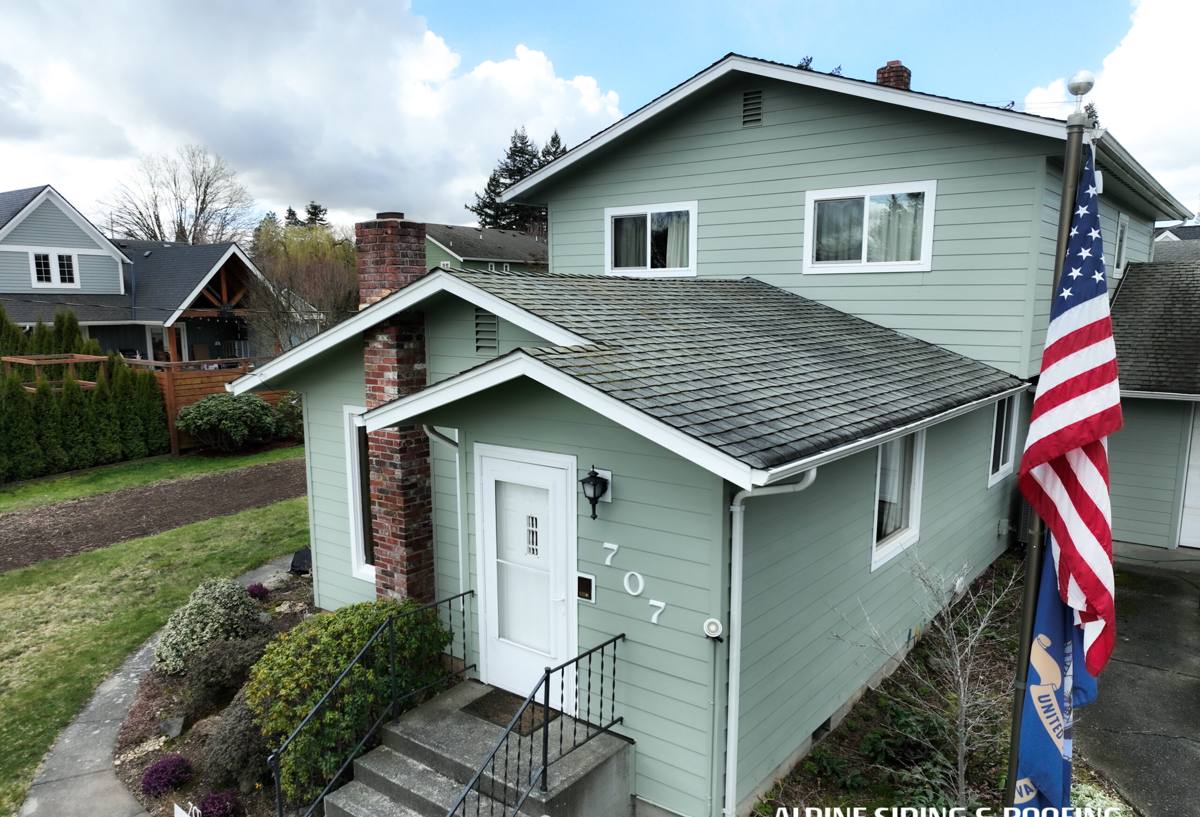
Kendall's mix of tall timber, open pasture, and proximity to the foothills creates its own weather pattern. Wind funnels through the valley during winter storms, tree cover drops debris and keeps roof sections shaded and damp longer than an open lot would, and the marine-influenced air that moves through Whatcom County carries enough moisture to keep moss and algae established on north-facing slopes almost year-round. None of that is unique to Kendall alone — it's the reality for most of inland Whatcom County — but it does mean the failure points on a Kendall roof often look different from what you'd see on a roof a few miles closer to the water.
The Conditions That Do the Damage
- Windstorms: Gusts that lift shingle edges, rack ridge caps, and drive rain sideways under flashing that would otherwise shed water fine.
- Driving rain: Long, wind-pushed rain events that test every seam, valley, and penetration on the roof, not just the open field areas.
- Falling debris: Branches and limbs from surrounding trees, which can crack or puncture roofing material even in a moderate storm.
- Extended damp shade: Tree-covered and north-facing roof sections that stay wet longer after a storm, which accelerates moss growth and slow material breakdown.
- Freeze-thaw swings: Occasional hard cold snaps that can turn small amounts of trapped moisture into ice, widening cracks and lifting fasteners.
What Storm Damage Actually Looks Like
Storm damage isn't always a dramatic hole in the roof. Most of the calls we get after a windstorm or heavy rain event involve damage that's easy to miss from the ground. That's part of why so many roofs in this area develop slow leaks that homeowners don't catch until there's a stain on a ceiling.
Common Signs Worth a Look
- Shingles that are lifted, curled, cracked, or missing entirely, especially near ridges and edges where wind uplift is strongest
- Granule loss showing up in gutters or at downspout outlets after a storm
- Bent, loose, or displaced flashing around chimneys, vents, and skylights
- Soft or discolored ceiling patches inside the home, particularly after a heavy rain event
- Moss buildup that's thickened along shaded slopes and started lifting shingle edges
- Debris — branches, needles, cones — collected in valleys or against the base of a chimney where water can back up
- Gutters pulled away from the fascia or sagging under the weight of wet debris
How We Approach a Storm Repair
A storm repair only holds up if the diagnosis is right. We don't quote a fix based on what's visible from the driveway — we get on the roof (weather permitting) and inspect the actual damage before recommending anything.
Our Process
- On-site inspection. We walk the roof and check the attic from the inside when accessible, looking for the source of a leak rather than just the spot where water showed up on the ceiling.
- Documented findings. We identify exactly what's damaged — shingles, flashing, decking, ventilation — and explain what caused it in terms you can actually use, especially if you're filing an insurance claim.
- Honest scope. We tell you what needs to be repaired now, what's worth watching, and what doesn't need touching. Not every storm-related issue requires a full section replacement.
- Matched materials. Where we're doing a section repair, we match existing shingle type, color, and exposure as closely as possible so the repair doesn't stand out as a patch.
- Correct sequencing. Flashing, underlayment, and shingles get installed in the right order and properly integrated — a repair that just layers new shingles over a damaged flashing detail will leak again.
- Cleanup and gutter check. We clear debris from valleys and gutters as part of the job, since clogged drainage is often what turned a manageable rain event into a leak in the first place.
Repair vs. Replacement: How We Make the Call
Storm damage doesn't automatically mean a new roof. A lot of Kendall homes only need a targeted repair to specific slopes or flashing details. The table below outlines the general factors we weigh when we're on-site.
| Factor | Usually Points to Repair | Usually Points to Replacement |
|---|---|---|
| Roof age | Under 12-15 years, healthy elsewhere | Near or past its expected service life |
| Extent of damage | Isolated to one slope or a small area | Spread across multiple slopes or the whole roof |
| Decking condition | Solid, dry sheathing under the damaged area | Soft, rotted, or delaminated sheathing found during inspection |
| Moss and staining history | Recent, addressed with cleaning and treatment | Long-term, with material breakdown under the growth |
| Material availability | Matching shingles are still obtainable | Discontinued product with no reasonable match |
Flashing, Ventilation, and the Details That Get Skipped
A lot of "roof leaks" that homeowners assume are shingle problems actually trace back to flashing or ventilation. Chimney flashing, skylight curbs, and roof-to-wall transitions are common failure points during a windstorm because they rely on sealant and metalwork that degrade with age and repeated wind-driven rain exposure. We check every penetration point during a storm inspection, not just the shingle field, because a shingle-only repair over a bad flashing detail is one of the most common reasons homeowners end up calling back a second time.
Ventilation matters here too. A roof deck that isn't venting properly stays damper longer after a storm, which feeds moss growth and slows drying between rain events — exactly the pattern that's common on tree-shaded Kendall lots. When we're already up on the roof for a repair, we'll flag ventilation issues if we see them, even if they're not the reason for the original call.
Moss: The Slow-Motion Storm Damage
Moss doesn't show up overnight, but it does the same kind of damage a storm does — it just takes longer. Moss holds moisture against the shingle surface, lifts edges as it grows, and gives wind-driven rain a place to work its way underneath. On shaded, north-facing slopes common throughout the Ferndale and Kendall area, moss can re-establish within a season or two if it's only ever pressure-washed off rather than properly treated. Part of a thorough storm repair includes clearing existing moss growth and, where it makes sense, recommending a treatment approach that slows regrowth without damaging the roofing material underneath.
Why It Matters to Hire a Crew That Already Works Kendall
Kendall is far enough out from Ferndale's core that not every roofing company treats it as a regular service area, and that shows up in response times and familiarity with the terrain. A crew that already works this stretch of Whatcom County knows what long driveways, tree cover, and rural access mean for scheduling and equipment. We're not learning the area on your job.
Familiarity also matters for the actual diagnosis. A roof under heavy tree cover ages differently than an open-lot roof in town, and a repair crew that treats every job the same way — same materials, same generic scope — will miss things that a crew used to this specific mix of shade, moisture, and wind won't. When we quote a Kendall storm repair, we're accounting for the roof's actual exposure, not a generic Whatcom County average.
What a Homeowner Can Check After a Storm
Before you call anyone, a quick ground-level check can help you describe the problem accurately and know whether it's urgent.
- Walk the perimeter of the house and look for shingle pieces, granules, or flashing metal on the ground
- Check gutters and downspouts for blockages or separation from the fascia
- Look at ceilings and around chimneys/skylights inside the home for new staining
- Note any large branches or debris that landed on or near the roof
- Check the attic, if accessible, for damp insulation, daylight through the decking, or a musty smell
- Avoid getting on the roof yourself after a storm — wet, moss-covered surfaces are genuinely dangerous, and it's not worth the risk when a proper inspection is available
Insurance and Documentation
If a storm event was significant enough to potentially involve your homeowner's insurance, documentation matters. We provide clear findings from our inspection — photos, a description of the damage, and our assessment of the likely cause — that you can use when filing a claim. We're not an insurance adjuster and we won't promise a claim outcome, but we'll give you an honest, accurate account of the roof's condition to work with.
Get a Free, No-Pressure Estimate
If a recent storm has you wondering about the condition of your roof, or you've noticed signs of wear building up over a wet Whatcom County winter, we're happy to take a look. Fill out the form below for a free, no-obligation estimate on storm damage repair for your Kendall-area home — no pressure, just a straight assessment of what's actually going on up there.