 Ferndale Siding
 Windows Built for the Semiahmoo Coastline, Not a Showroom
Homes around Semiahmoo sit close enough to the water that the air itself works against your windows every day. Salt-laden moisture rides in on the wind, wind-driven rain finds its way into gaps that would stay dry twenty miles inland, and the shaded, damp stretches of the year let moss and mildew take hold on anything that doesn't drain and dry properly. A window that's rated fine for a dry, sheltered lot somewhere else can start failing early out here — fogged glass, swollen sashes, corroded hardware, or worse, moisture getting behind the frame and into the wall.
This page is about one job done right in one area: replacing windows on homes in and around Semiahmoo, near Ferndale in Whatcom County. It's not a general overview of window replacement — it's what actually matters when the house you're working on faces salt air and sideways rain more often than not.
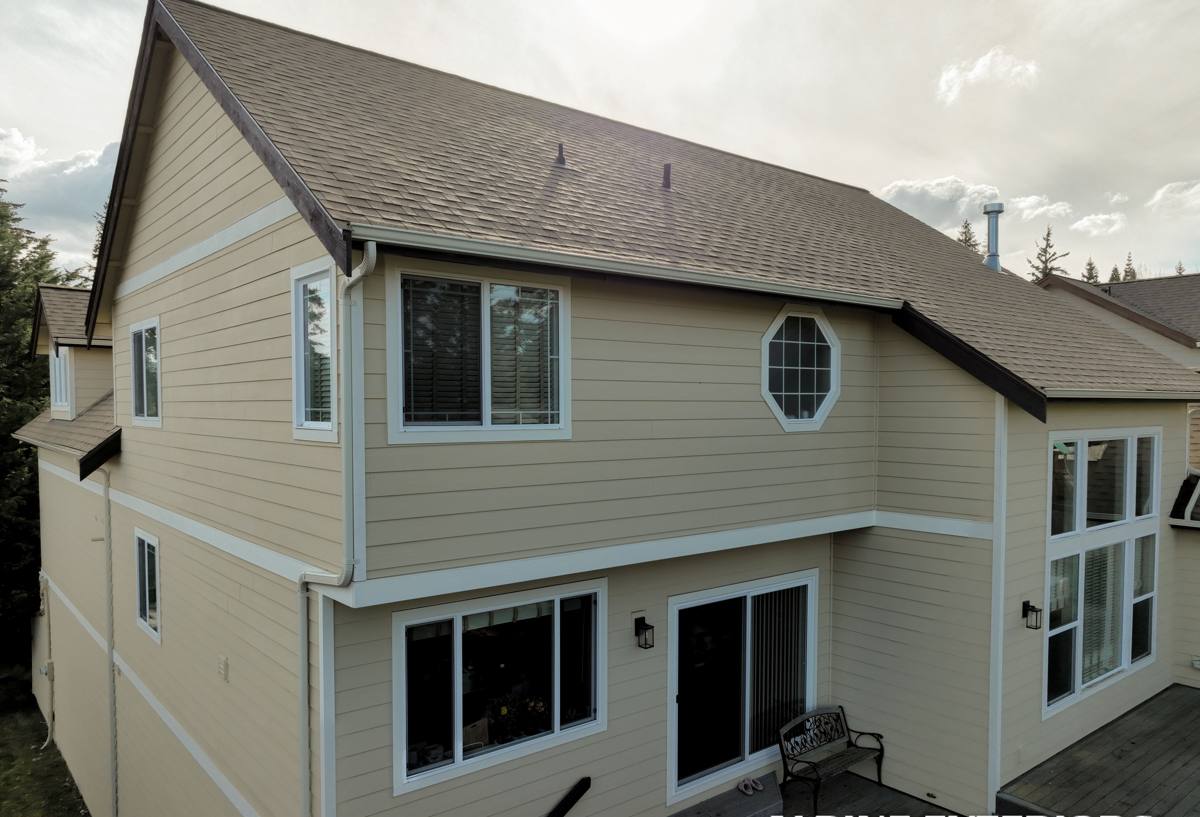
How the Local Climate Actually Wears Down a Window
Salt Air and Corrosion
Aluminum components, exposed fasteners, and lower-grade hardware corrode faster near the water. You'll often see it first at the balance mechanisms, locks, and screen frames — small parts that get overlooked until a window stops opening smoothly or a lock won't seat.
Wind-Driven Rain
Rain that comes in sideways doesn't behave like rain that falls straight down. It gets pushed up under sills and into seams that a standard installation might not seal against. Water intrusion here is usually a flashing and sealant problem, not a glass problem — which is exactly why installation quality matters more than the window brand.
Moss and Sustained Dampness
Whatcom County's long wet season keeps north-facing and shaded walls damp for weeks at a time. Wood sills and trim that stay wet without a chance to dry are where rot and moss get their start. Drainage detailing around the window opening is what prevents this, not just the window unit itself.
Signs a Semiahmoo Home Needs Window Replacement
- Fogging or a visible haze between panes — the seal has failed and the insulating gas is gone
- Soft, spongy, or discolored wood at the sill or the trim around the window
- Windows that are hard to open, don't latch fully, or have corroded hardware
- Noticeable draft or cold spot near the window on a windy day
- Condensation forming on the inside of the glass regularly, even in mild weather
- Visible gaps, cracked caulking, or daylight showing around the frame
- Rising heating bills with no other explanation
Any one of these can be a minor fix. Several together, especially on the weather-facing side of the house, usually mean the window and its surrounding flashing have reached the end of their service life.
What a Correct Window Replacement Job Involves
Swapping the visible window is the easy part. The work that actually determines whether the new window lasts happens around it, and it's the part a homeowner can't see once the job is done.
Removing the Old Window Correctly
This means checking the condition of the rough opening once the old unit is out — sill, header, and side framing — before anything new goes in. If there's hidden rot or old, saturated insulation, that gets addressed first. Installing a new window over a compromised opening just hides a problem instead of fixing it.
Flashing and Water Management
Proper flashing directs any water that gets past the window itself back out, not into the wall cavity. This is the single biggest factor in whether a window stays leak-free in a driving-rain climate. Sill pans, properly lapped house wrap, and correctly sequenced flashing tape all matter more here than they would in a drier region.
Sealing and Insulating
The gap between the window frame and the rough opening needs to be insulated and air-sealed without over-packing it, which can bow the frame. Exterior sealant needs to be a product rated for the exposure the window will actually see, applied at the joints that matter — not just a bead around the trim.
Final Weatherproofing
Exterior trim, caulking, and any paint or sealant touch-up get finished so the whole assembly sheds water the way it's designed to, with no exposed edges for wind-driven rain to exploit.
Choosing a Window Material for This Exposure
There's no single "best" window material — the right choice depends on the wall's exposure, the home's style, and what you're willing to maintain. Here's how the common options hold up under salt air and sustained wet weather:
| Material | Behavior in Salt Air / Wet Climate | Maintenance |
|---|---|---|
| Vinyl | Doesn't corrode or rot; performs consistently in coastal exposure | Low — occasional cleaning |
| Fiberglass | Very stable, resists moisture and corrosion, holds paint well if a custom color is wanted | Low |
| Aluminum | Prone to corrosion and pitting in salt air unless heavily coated; conducts cold | Moderate to high |
| Wood (unclad) | Handsome but vulnerable to rot and moisture damage without diligent upkeep | High — regular painting/sealing |
| Wood-clad (exterior) | Wood interior warmth with a weather-resistant exterior shell; a middle-ground option | Moderate |
Our standard recommendation for exposed walls near Semiahmoo is vinyl or fiberglass, precisely because they don't give salt air or moisture anything to work with over time. Where a homeowner wants a wood interior look, wood-clad units let us keep the exterior weather resistance high while still getting that finish indoors. This isn't a knock on wood windows — it's about matching the material to how much upkeep a homeowner actually wants to commit to on a wall that takes weather head-on.
Glass and Hardware Details Worth Knowing
Low-E (low-emissivity) glass coatings help control heat transfer and are worth having on most replacement windows here — they help keep homes comfortable through both our wet winters and warmer summer stretches. Double-pane, argon-filled units are the practical standard for this climate; triple-pane can make sense on a north-facing or particularly exposed wall but adds cost and weight that isn't always necessary.
Hardware matters more near the water than people expect. Look for corrosion-resistant locks, hinges, and balance systems — stainless steel or coated components hold up far longer than standard-grade hardware once salt air gets involved. This is a detail that's easy to overlook when comparing windows on price alone, but it's often the first thing to fail.
Our Process for a Semiahmoo Window Replacement
- Free on-site estimate — we look at the actual exposure of each window opening, not just take a generic measurement, since a west-facing wall and a sheltered one need different details.
- Assessment of the existing opening — noting any visible sill damage, drafts, or water staining that should factor into the plan.
- Straightforward proposal — material options, glass package, and what the flashing and sealing plan will be, in plain terms.
- Removal and opening inspection — old windows come out, the rough opening gets checked and repaired if needed before anything new goes in.
- Installation with full flashing and sealing detail — done to hold up against wind-driven rain, not just pass a quick visual check.
- Site cleanup and walkthrough — we go over the finished work with you before we call the job done.
What Affects the Cost of a Window Replacement
| Factor | Why It Matters |
|---|---|
| Window size and number of openings | More or larger openings mean more material and labor |
| Material (vinyl, fiberglass, wood-clad) | Upfront cost and long-term maintenance trade off against each other |
| Glass package | Low-E coatings and gas fill add a modest cost for better performance |
| Condition of the rough opening | Hidden rot or water damage found during removal adds repair time |
| Exposure of the wall | Weather-facing walls warrant more robust flashing and sealing detail |
| Trim and finish work | Matching existing trim or upgrading it changes labor and material scope |
We don't quote a single flat number for "window replacement" because these variables genuinely change the job. What we can promise is a written estimate that spells out exactly what's included, before any work starts.
Why a Crew That Already Works Semiahmoo Matters
A contractor who works this stretch of Whatcom County regularly already knows what wind-driven rain and salt air do to a wall over a few years, because we've opened up enough of them to see it firsthand. That experience shows up in small decisions — how much flashing overlap to use on a west-facing wall, which sealants actually hold up out here, when a rough opening needs more attention before a new window goes in. It also means we're not learning the local weather patterns on your house. If you've had water intrusion or drafts before, we can usually tell you what's likely causing it before we even open up the wall.
Being local also means we're accountable in a way an out-of-town crew isn't. We're back in this area for other jobs regularly, and a callback isn't a special trip — it's part of how we operate.
Protecting Your Windows After Installation
- Clean tracks and weep holes periodically so drainage paths stay clear, especially after windy or debris-heavy weather
- Rinse salt residue off exterior frames and hardware a few times a year, particularly on wind-facing sides
- Check and refresh exterior caulking every couple of years — it's a cheap habit that prevents expensive water damage
- Operate locks and cranks periodically even on windows you don't open often, so hardware doesn't seize
- Watch for moss or algae building up on sills and trim, and clean it off before it holds moisture against the wood or vinyl
- Have any new drafts, fogging, or sticking sashes looked at early rather than waiting for a bigger problem
None of this takes much time, but it's what keeps a properly installed window performing for its full lifespan instead of just its first few years.
If you're noticing drafts, fogged glass, or water staining around your windows in the Semiahmoo area, we're happy to take a look and give you an honest, no-pressure estimate. Fill out the form below and we'll get back to you to schedule a visit.