 Ferndale Siding
 Building Decks That Actually Hold Up in Sandy Point
Sandy Point sits close enough to the water that its homes deal with a different set of conditions than a deck built a few miles inland. Salt-laden air, wind-driven rain off the Strait, and a moss season that runs long through the Whatcom County winter all work against a deck the moment it's built, not years later. A deck that's framed and finished the way it would be in a drier, inland part of the county tends to show corrosion, soft spots, and slick, moss-covered boards years before it should.
This page covers what we've learned building and replacing decks specifically for homes in this area — the material choices that make sense here, the hardware and flashing details that actually matter, and what our process looks like from first visit to final walkthrough. If you're planning a new deck or need to replace one that's failing early, this is written to help you ask the right questions, whether you hire us or someone else.
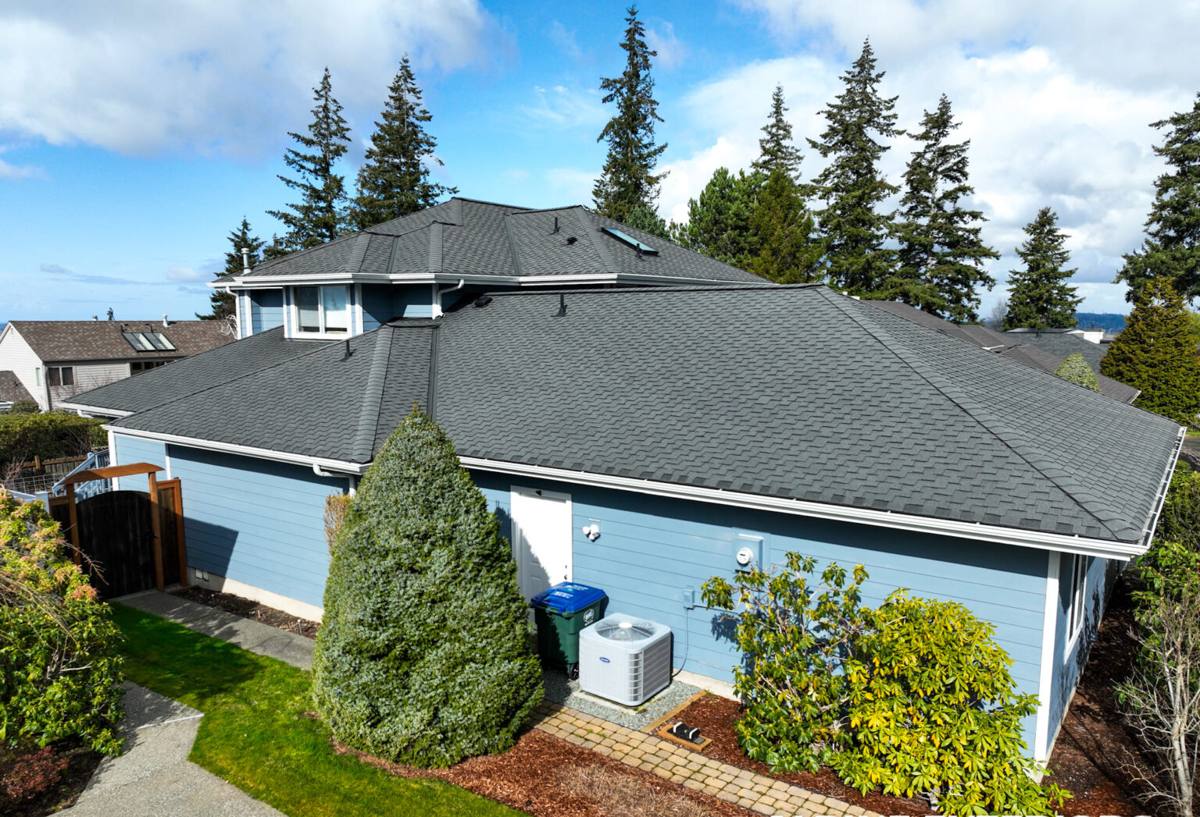
What Sandy Point's Climate Actually Does to a Deck
Salt Air and Metal Fasteners
Homes near the water get a steady dose of airborne salt, and salt accelerates corrosion in any exposed metal. Standard galvanized fasteners and hardware that hold up fine ten or fifteen miles inland can start rusting, staining the wood around them, and losing grip strength much sooner in a location like this. Once a fastener starts to corrode, it's not just cosmetic — it weakens the connection it's supposed to hold.
Driving Rain and Ledger Attachment
Rain in this part of Whatcom County doesn't just fall straight down — wind off the water pushes it sideways, which means water gets driven into places a calmer climate wouldn't test as hard. The ledger board connection (where the deck attaches to the house) and any flashing details are the parts most exposed to this. A flashing detail that would be adequate somewhere less exposed can let water track behind the siding and into the rim joist here, and that kind of hidden rot is expensive to catch late.
Moss Season and Deck Surfaces
Whatcom County's moss season runs long — often several months of the year — and a deck with poor airflow underneath or tight board spacing holds moisture and grows moss and algae faster than one built with drainage in mind. Beyond looking bad, a moss-covered deck surface gets genuinely slippery, which is a real safety issue on stairs and near doorways.
Choosing the Right Decking Material for This Location
There's no single "best" decking material for every home — it depends on budget, how much upkeep you want to do, and how exposed the deck is to wind and salt. Here's how the common options actually perform in a marine climate like Sandy Point's:
| Material | Moisture & Salt Behavior | Maintenance | Typical Lifespan Here |
|---|---|---|---|
| Pressure-treated lumber | Resists rot when properly sealed; fasteners need to be rated for treated wood | Needs re-staining/sealing every 1-3 years in this climate | 10-20 years with upkeep |
| Cedar | Naturally rot-resistant but softer; benefits from regular sealing near salt air | Annual cleaning, periodic oiling/sealing | 15-20 years with consistent care |
| Composite (capped) | Doesn't absorb moisture the way wood does; resists moss staining better | Periodic washing to clear pollen, moss spores, and salt film | 25+ years, backed by manufacturer warranty |
| PVC decking | Fully synthetic, essentially immune to rot and salt corrosion | Lowest maintenance of the group; occasional cleaning | 25-30+ years |
We'll walk you through these trade-offs honestly for your specific deck — a low-maintenance capped composite or PVC board often makes the most sense for a rail-height or ground-level deck exposed to salt air, while a well-sealed wood deck can still be the right call if you prefer that look and are willing to keep up with maintenance.
What a Correctly Built Deck Involves Here
The visible decking is only part of the job. Most of what determines whether a deck lasts in this climate is in the framing and connections you don't see once it's finished:
- Footings sized and set for the soil — not just poured to a minimum depth, but sized for the actual load and local frost line.
- Ledger flashing that sheds water away from the house, not just a bead of caulk behind the ledger board.
- Corrosion-resistant fasteners and hardware throughout — this matters more here than almost anywhere else in the county.
- Proper joist spacing and blocking for the decking material chosen, since composite and PVC boards often have different span requirements than wood.
- A slight slope away from the house so water doesn't pool against the ledger or foundation.
- Board gapping that allows airflow underneath, which slows moss and algae growth on the surface.
Railings, Fasteners, and Hardware That Actually Last in Salt Air
It's tempting to treat railings and hardware as an afterthought once the decking is picked out, but in a salt-air environment they're often the first thing to show wear. We spec stainless steel or coated fasteners rated for coastal/marine exposure on connections that matter structurally — joist hangers, ledger bolts, and post bases — rather than relying on standard galvanized hardware that's built for a less exposed inland install. It costs a bit more up front and saves you from rust streaks and weakened connections down the road.
For railings, the same logic applies to post caps, baluster fasteners, and any exposed brackets. A railing system that looks identical to one built inland can behave very differently after a few winters of salt air and driving rain if the hardware underneath wasn't chosen for it.
Our Process for Sandy Point Deck Projects
- On-site assessment. We look at the existing structure (if it's a replacement), the home's exposure to wind and water, sun/shade patterns, and how the deck will actually be used.
- Design and material selection. We talk through decking material, railing style, and layout, with honest pros and cons for your budget and how much maintenance you want to take on.
- Permitting. Most new decks and many replacements need a permit through the applicable Whatcom County or City of Ferndale process, depending on where the property falls. We handle this as part of the project rather than leaving it to you.
- Demolition (if replacing) and framing. Old decking, damaged framing, and any hidden rot get addressed before new material goes down — we don't build a new surface over a compromised structure.
- Decking, railing, and finish work. Fasteners, flashing, and hardware are installed to the standard described above, not just to code minimums.
- Final walkthrough. We go over the finished deck with you, including basic care specific to your material choice.
Maintenance Checklist for Coastal Whatcom County Decks
Whatever material you choose, a little seasonal attention goes a long way in this climate. A basic yearly routine:
- Rinse the deck surface periodically to clear salt film, pollen, and moss spores before they take hold, especially heading into fall's wetter months.
- Check for moss or algae buildup on shaded or low-airflow areas and treat it early rather than letting it establish.
- Inspect visible fasteners and hardware for rust staining, which can signal a fastener that's starting to fail.
- Look at the ledger board and flashing line where the deck meets the house for any signs of water staining or soft wood.
- Re-seal or re-stain wood decking on the schedule appropriate for the product — don't wait until it's visibly weathered.
- Clear leaves and debris from between boards so water and moisture don't sit trapped against the surface.
Why Hire a Crew That Already Works in Sandy Point
A contractor who mostly builds decks farther inland isn't necessarily going to over-spec the hardware, flashing, or drainage details this location actually needs — not because they're careless, but because it's not what their usual jobs demand. Working regularly in this stretch of Whatcom County means we've already seen which details hold up to the salt air and driving rain here and which ones fail early, and we build to that standard as a default rather than an upgrade you have to ask for. It also means we're familiar with the local permitting process and typical site conditions around Ferndale, so there are fewer surprises once the project starts.
Get a Straight Answer on Your Deck Project
If you're planning a new deck, or your current one is showing rust streaks, soft spots, or a moss problem that keeps coming back, we're happy to take a look and give you an honest read on what it needs. Use the form below to request a free, no-pressure estimate — we'll walk the site, talk through material options that make sense for your home's exposure, and give you a clear picture of the work before anything is scheduled.