 Ferndale Siding
 Point Roberts Windows Carry a Heavier Load Than Most
Point Roberts sits on its own peninsula, cut off from the rest of Whatcom County by the international border, surrounded on three sides by the Strait of Georgia and Boundary Bay. That geography is part of what makes it a special place to live, but it also means homes there take a beating that inland houses in Ferndale, Lynden, or Bellingham simply don't see. Salt-laden air moves in constantly off the water, wind-driven rain hits siding and window assemblies at angles that flat trim details were never designed for, and the long gray stretch of fall and winter keeps everything damp long enough for moss and algae to take hold on sills, tracks, and exterior casing.
Windows are usually the first place this shows up. They're full of moving parts, seams, and seals, and every one of those is a spot where salt air, standing moisture, or wind pressure can find a weakness. A window that would last 25 years without complaint in a sheltered inland neighborhood can start failing at the corners or fogging between panes a decade earlier out here if it wasn't installed with this specific exposure in mind.
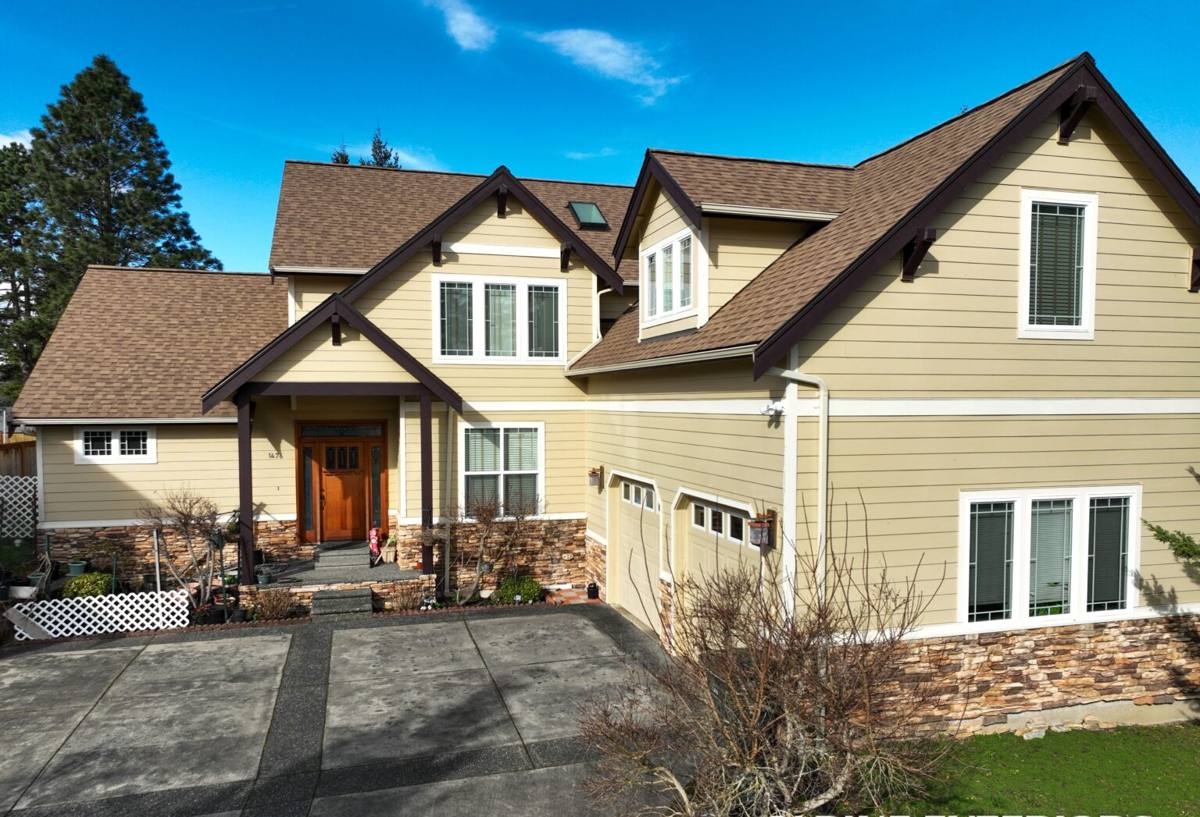
How Salt Air, Rain, and Moss Actually Damage a Window
Salt air and metal components
Salt in the air doesn't just sit on the glass — it settles into hardware, weep holes, and any exposed metal fasteners or hinges. Over time it accelerates corrosion on lower-grade hardware and can pit aluminum components that weren't specified for coastal exposure. Locks get stiff, cranks on casement windows bind, and balance systems on double-hungs wear out faster than the warranty tables assume.
Wind-driven rain
Rain that comes in sideways off the water doesn't behave like rain falling straight down. It gets pushed up under sills and into gaps that a standard installation might leave marginally sealed. On an exposed elevation, that pressure can force water past a window that would be perfectly fine on a sheltered wall of the same house. This is why flashing detail and sealant choice matter more here than the window brand itself.
Moss and prolonged dampness
Whatcom County's moss season is long, and Point Roberts gets its full share of it. Wood sills, wood-clad frames, and even vinyl tracks that don't drain well can stay damp for weeks at a stretch, giving moss and mildew time to establish. Beyond the cosmetic issue, prolonged moisture contact is what eventually rots wood components and clouds the seal on insulated glass units.
Common warning signs worth acting on
- Fogging or a hazy film between the panes of a double-pane window — the seal has failed and the gas fill is gone
- Soft or spongy wood at the sill or lower corners of the frame
- Windows that are hard to open, close, or lock, especially after a wet stretch
- Visible moss, algae, or black staining on sills and exterior trim
- A noticeable draft or cold spot near the frame even when the window is latched
- Paint or finish that's bubbling, peeling, or chalking on the exterior casing
- Condensation forming on the interior glass regularly, even in normal indoor humidity
What a Correct Replacement Actually Involves
Swapping in a new window is the easy part. Getting the assembly around it right is what determines whether that window is still performing in fifteen years. For a Point Roberts home, that means paying close attention to:
- Flashing sequencing — water management tape and flashing installed shingle-style so any water that does reach the opening is directed back out, not trapped behind the trim
- Sill pan protection — a sloped, sealed sill pan under the window so incidental moisture drains outward instead of sitting against the rough opening
- Sealant selection — a high-quality, UV- and salt-stable sealant at the exterior joint, not a bargain caulk that chalks and cracks after a couple of winters
- Fastener and hardware grade — corrosion-resistant fasteners and hardware suited to marine exposure rather than standard-grade parts
- Insulation and air-sealing — the gap between the window frame and rough opening properly insulated and air-sealed, which affects both comfort and condensation control
Skip any one of these steps and the window itself becomes almost irrelevant — water and air will find their way in around it regardless of how good the glass package is.
Choosing Materials for This Climate
There's no single "best" window for every home, but some materials handle salt air and constant moisture noticeably better than others. Here's how the common options generally compare for a coastal-exposure home like the ones on Point Roberts:
| Material | Salt/Moisture Behavior | Maintenance | Typical Lifespan Here |
|---|---|---|---|
| Vinyl | Doesn't corrode or rot; performs well in salt air | Low — occasional cleaning | 20-30 years with quality hardware |
| Fiberglass | Very stable in temperature swings and moisture; strong seal retention | Low | 30+ years |
| Aluminum | Can pit or corrode over time in salt air unless marine-grade | Moderate | Varies widely by grade |
| Wood / wood-clad | Attractive but vulnerable to rot and moss at sills without diligent upkeep | High — regular refinishing and sealant checks | Depends heavily on maintenance |
We're not going to tell you wood windows are a bad product — plenty of homeowners love the look and are willing to keep up with the maintenance. But for a Point Roberts property that sits exposed to salt spray and long wet seasons, we generally steer clients toward vinyl or fiberglass for anything on a windward or unsheltered elevation, simply because the maintenance burden and moisture risk are lower over the life of the window.
Our Process for a Point Roberts Window Job
- On-site assessment — we look at each window's current condition, the home's exposure to wind and water, and any signs of rot or seal failure before recommending anything
- Product and glass package recommendation — matched to the specific elevation and exposure, not a one-size-fits-all spec
- Old window and frame removal — checking the rough opening and sheathing underneath for hidden moisture damage before anything new goes in
- Sill pan and flashing installation — the step that determines long-term water performance
- Window setting, shimming, and air-sealing — leveled, squared, and insulated correctly around the frame
- Exterior trim, sealant, and finish work — using sealants and fasteners rated for marine exposure
- Final walkthrough — operation check on every window, cleanup, and a look at anything else on the exterior worth flagging
Why Local Experience with This Specific Location Matters
Point Roberts is an exclave — the only way in by land is through Canada, and that adds a layer of logistics that a lot of contractors simply aren't set up to handle well. Crews need to plan border crossings into the schedule, bring the right materials and tools with them rather than making a mid-day supply run, and understand that a rescheduled day costs more time here than it would on a job five minutes from the shop. A crew that already works this area has that logistics figured out, so your project doesn't become a test case.
There's also the matter of knowing the housing stock. Point Roberts has a mix of older cabins, mid-century homes, and newer builds, many originally built as vacation or seasonal properties rather than full-time, storm-hardened residences. Knowing what to expect behind the trim on these homes — and having already seen how salt air and moss season have treated similar houses nearby — means fewer surprises once the old windows come out.
What to look for when hiring for this kind of job
- Experience specifically with coastal or marine-exposed installations, not just general window replacement
- A clear explanation of flashing and sill pan details, not just a product brochure
- Straight answers about material trade-offs for your home's exposure, without pressure toward the most expensive option
- Proper licensing and insurance, and a willingness to show it
- A written scope that spells out materials, sealants, and warranty coverage
What Drives the Cost
Every home and every window opening is a little different, so we won't quote a number without seeing the job, but these are the factors that typically move the price:
| Factor | Why It Matters |
|---|---|
| Window material and glass package | Vinyl, fiberglass, and upgraded low-E or impact-rated glass all carry different price points |
| Condition behind the old window | Rot or water damage found in the rough opening adds repair work before the new window goes in |
| Number and size of openings | Larger or specialty-shaped windows cost more to fabricate and install |
| Elevation and exposure | Windward-facing openings may warrant heavier-duty flashing and sealant details |
| Access and logistics | Site access and the border-crossing scheduling factor into labor planning for Point Roberts jobs |
Keeping New Windows Performing Once They're In
A correctly installed window still benefits from a little upkeep in this climate. Rinse salt residue off exterior surfaces a couple of times a year, keep weep holes and tracks clear of moss and debris, and check exterior sealant joints annually for cracking — catching a hairline gap in caulk early is a lot cheaper than dealing with water damage behind the trim later. If you notice a window sticking, fogging, or developing a draft, it's worth having it looked at before the next wet season rather than after.
If your windows are showing their age, drafty, or you're just planning ahead of the next wet season, we're happy to come take a look and give you a straightforward, no-pressure estimate — no obligation, just an honest read on what your home needs. The form below is the easiest way to get started.