 Ferndale Siding
 Storm Damage Roofing for Sudden Valley Homes
Sudden Valley sits in a pocket of Whatcom County that takes weather seriously. Wind funnels off the water and through the trees, winter storms bring driving rain that doesn't let up for days, and the surrounding tree cover means roofs deal with falling limbs and heavy debris load on top of everything else. When a storm passes through and you're looking at missing shingles, a leak in the ceiling, or a tree limb that came down on the roofline, you need a crew that understands what these roofs go through every year — not a general contractor working from a checklist written for a different climate.
We work on homes throughout the Ferndale area, and Sudden Valley's roofs have their own set of pressures: constant moisture, salt-tinged air moving up from the coast, and a moss season that runs longer than most homeowners realize. Storm damage repair here isn't just about patching what broke — it's about fixing the damage in a way that holds up through the next round of weather, not just until the next dry spell ends.
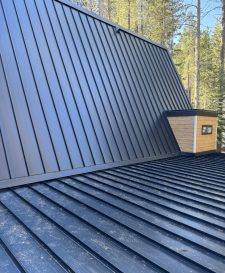
What Whatcom County Storms Actually Do to a Roof
Understanding the damage pattern matters because it changes what "correct repair" looks like. A roof that's been hit by wind and rain in this region usually isn't failing in one dramatic way — it's failing in several small ways at once, and those small ways compound if they're not all addressed together.
Wind and Driving Rain
Sustained wind lifts shingle edges and works fasteners loose over time, even before a storm creates visible damage. Once shingles are lifted even slightly, driving rain — which is common here, not occasional — gets pushed sideways under the shingle line instead of running off the surface the way it's designed to. That's how a "small" wind event turns into a slow leak that shows up weeks later as a stain on a ceiling.
Salt Air and Corrosion
Being close enough to the water to catch salt-laden air means metal components — flashing, fasteners, vents, gutters — corrode faster than they would further inland. A storm repair that reuses corroded flashing or old fasteners without addressing that corrosion is a repair that fails again sooner than it should.
Moss and Trapped Moisture
Whatcom County's moss season is long, and Sudden Valley's tree cover and shade patterns make it worse in spots. Moss doesn't just look bad — it holds moisture against the roof surface, lifts shingle edges as it grows, and accelerates granule loss. After storm damage, any area where moss has already been established is more vulnerable to further water intrusion, which is why we check for it as part of every storm inspection, not as a separate service.
Falling Debris
Limbs, branches, and wind-blown debris from surrounding trees cause impact damage that's sometimes obvious (a hole or crushed section) and sometimes not (bruised shingles that look fine but have lost their granule protection and will fail within a season or two).
What a Correct Storm Damage Repair Involves
A rushed repair after a storm often addresses only the visible damage and misses the secondary issues that caused it or that it caused. Here's what we actually check and do:
- Full roof inspection, not just the area you can see damage on — wind and impact damage often extends beyond the obvious spot
- Interior check for water staining, damp insulation, or signs of a leak that hasn't shown up on the ceiling yet
- Flashing inspection around chimneys, vents, and valleys — these are common failure points that get overlooked in a quick patch job
- Gutter and downspout check, since storm debris often clogs drainage right when the roof needs it working most
- Assessment of surrounding trees or overhanging limbs that could cause repeat damage
- Moss and moisture check on the sections not directly damaged, so we're not repairing one problem while ignoring another that's already forming
- Matching materials to the existing roof where possible, so the repair doesn't stand out or create a weak seam
Our Process, Start to Finish
1. Emergency Response and Tarping
If your roof is actively leaking or has an open section after a storm, the first priority is stopping water intrusion. A properly installed tarp — secured correctly, not just draped over the damage — buys time to do the repair right instead of rushing it.
2. Full Inspection and Documentation
We walk the roof and document the damage clearly, which matters both for the repair plan and for insurance if you're filing a claim. Photos and a written description of what we find go a long way when you're dealing with an adjuster.
3. Written Estimate
You get a clear breakdown of what needs to be repaired, what materials are involved, and why — not a vague number. If there's a difference between what's strictly necessary and what would be a good idea while we're up there (like addressing early moss growth nearby), we'll tell you which is which so you can decide.
4. The Repair
We replace damaged shingles, flashing, and underlayment as needed, matching materials to your existing roof. We don't cut corners on fasteners or flashing just because it's a repair rather than a full replacement — a repair done with substandard materials just becomes next storm's problem.
5. Final Check
Before we consider the job done, we check the repaired area and the surrounding roof surface, confirm drainage is clear, and make sure nothing was missed.
Repair vs. Replacement: How We Help You Decide
Not every storm-damaged roof needs to be replaced, and not every roof can be reasonably patched. The right call depends on the roof's age, how widespread the damage is, and what condition the rest of the roof is in.
| Factor | Leans Toward Repair | Leans Toward Replacement |
|---|---|---|
| Roof age | Under 12-15 years, otherwise in good shape | Nearing or past expected lifespan |
| Damage extent | Localized to one section or slope | Spread across multiple areas or slopes |
| Prior moss/moisture history | Minimal, addressed as found | Widespread or long-term moss and moisture damage |
| Underlying decking | Solid, no soft spots | Soft, rotted, or damaged decking found during inspection |
| Material availability | Matching shingles still available | Discontinued material, visible mismatch likely |
We'll always recommend the option that actually solves the problem, not the bigger job. If a repair is the honest answer, that's what we'll estimate.
Insurance and Storm Claims
Many storm damage repairs in this area are covered in part by homeowner's insurance, depending on your policy and the cause of damage. We're happy to provide documentation and photos to support a claim, and to walk through what we found in plain terms so you understand what the adjuster is looking at. We don't handle the claim for you, but we make sure you're not walking into that conversation without solid information about your roof's actual condition.
Why a Local Crew Matters for Sudden Valley
Storm damage repair isn't the kind of job where generic experience is enough. A crew that regularly works in Sudden Valley and the surrounding Ferndale area already knows how the local wind patterns hit certain roof orientations harder, how fast moss establishes itself in the shaded, tree-covered lots common here, and how salt air affects metal components differently than it would twenty miles inland. That local pattern recognition means a faster, more accurate diagnosis — and fewer surprises once the work is underway.
It also means accountability. We're not driving in from out of the area for a one-time job; we're a crew that works this part of Whatcom County regularly and expects to be back in the neighborhood. That's a good incentive to do the repair right the first time.
What to Do Right After a Storm
- Check your attic or ceiling for staining, dampness, or drips — often the first visible sign of a leak
- Look at your gutters and downspouts from the ground for obvious clogs or damage
- Note any visible missing shingles, dented vents, or debris on the roof, without climbing up yourself
- Photograph anything you can safely see from the ground for your records
- Call for an inspection promptly — small leaks get worse with every additional rain event, and Whatcom County doesn't go long between them
If your roof took a hit in the last storm, or you're just not sure whether that stain on the ceiling means anything, we're glad to come take a look. We offer free, no-pressure estimates for Sudden Valley homeowners — use the form below to get started.