 Ferndale Siding
 Why Birch Bay Roofs Wear Differently Than Roofs Inland
Birch Bay sits right on the water, and that changes what a roof has to survive. Homes here deal with salt-laden air drifting off the bay, wind-driven rain that gets pushed sideways under poorly lapped materials, and a moss season that stretches for most of the year in this part of Whatcom County. A roof spec that works fine in a drier, more sheltered part of the county can fall short a few miles away on the water.
Salt air accelerates corrosion on exposed metal fasteners, flashing, and vent components. Driving rain finds any weak point in flashing or underlayment and pushes water uphill under shingles instead of just running downhill off them. And the shade, humidity, and mild temperatures that make this stretch of coastline pleasant to live on are the same conditions moss and moisture-loving organic growth thrive in. A correct roof installation in Birch Bay has to account for all three, not just meet a generic building code minimum.
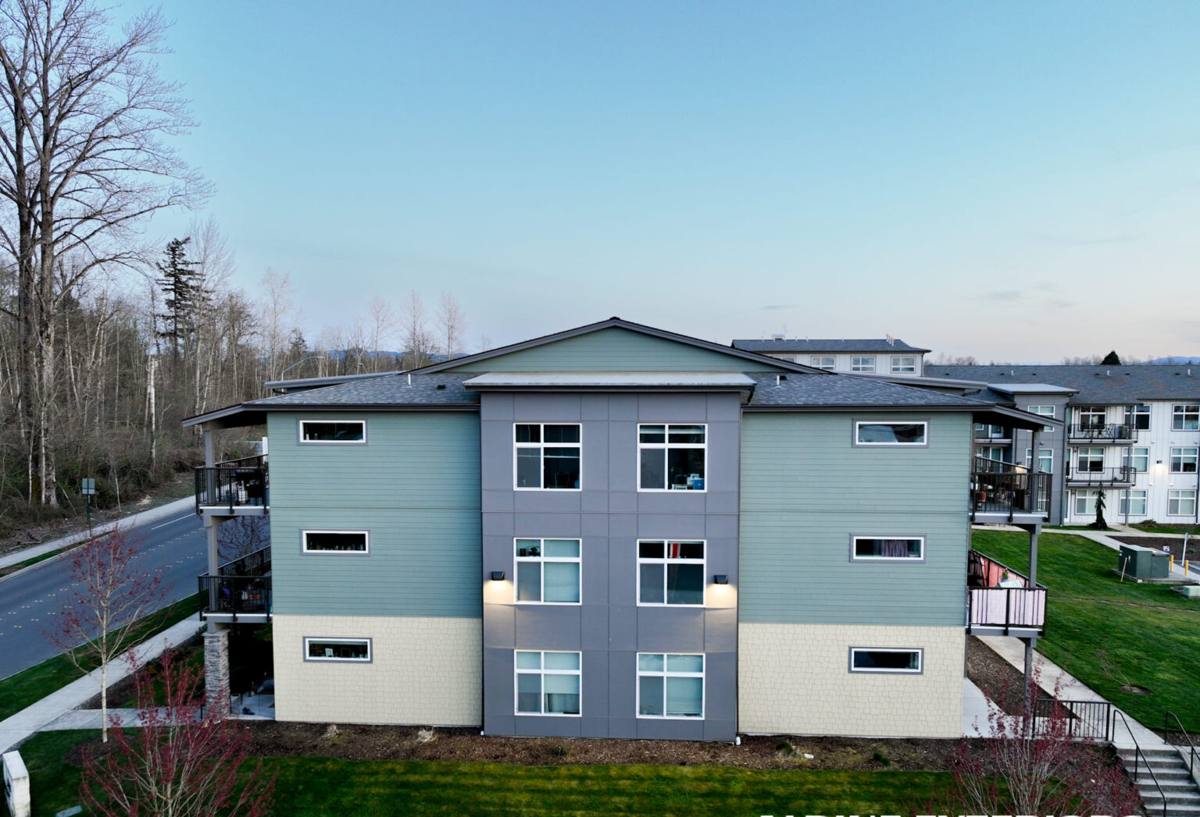
What a Correct New Roof Installation Actually Involves
A new roof is more than laying shingles over what's there. Done right, it's a system of layers that each do a specific job, and skipping or shortcutting any one of them is usually where leaks and premature failure start.
Tear-off and deck inspection
We remove the old roofing down to the deck rather than layering over it. That lets us actually see the plywood or OSB underneath — soft spots, delamination, or old water staining tell us where moisture has already been getting in, sometimes for years without an obvious leak inside the house. Any damaged decking gets replaced before anything new goes down; installing new roofing over a compromised deck just hides the problem and shortens the life of everything above it.
Underlayment and water barrier
This is where driving rain resistance really comes from. We install a full synthetic underlayment across the deck, with self-adhering ice-and-water membrane at the eaves, valleys, and any roof-to-wall transitions — the spots where wind-driven rain is most likely to be forced backward under the shingle courses. In a marine climate like this one, treating those transition points as optional is how roofs end up with slow leaks that take months to show up as a ceiling stain.
Flashing
Flashing around chimneys, skylights, vents, and sidewalls is where most roof leaks actually originate — not in the open field of shingles. We use new flashing rather than reusing old, corroded pieces, and in a salt-air environment we pay particular attention to the fastener and flashing material itself, since standard steel components corrode faster this close to the bay than they would further inland.
Ventilation
Proper intake at the soffits and exhaust at the ridge keeps the attic space at the right temperature and moisture level. Get this wrong and you get condensation inside the attic, premature shingle aging from trapped heat, and — relevant here — a damp, cool attic environment that helps moss and algae take hold on the roof surface from underneath as much as from rain and shade above.
Choosing the Right Roofing Material for a Waterfront-Adjacent Home
There's no single "best" roofing material — the right choice depends on your home's exposure, your budget, and how much long-term maintenance you're willing to do. Here's how the common options actually compare for a Birch Bay property.
| Material | Salt air / corrosion behavior | Moss resistance | Typical lifespan | Relative cost |
|---|---|---|---|---|
| Architectural asphalt shingle | Good with quality fasteners and flashing; standard choice | Moderate — benefits from copper or zinc strips at the ridge | 25–30 years | $ |
| Standing seam metal | Excellent if specified with a coastal-rated finish; standard mill finish can pit near salt spray | High — moss struggles to grip a smooth metal surface | 40–50+ years | $$$ |
| Synthetic/composite shingle | Good — non-metallic, resists corrosion by design | Moderate to high, product-dependent | 30–50 years | $$ |
| Wood shake | Fair, but high maintenance in damp coastal shade | Low — organic material feeds moss and rot in constant moisture | 20–30 years with upkeep | $$ |
We don't push wood shake on shaded, moisture-heavy lots near the bay. It's a beautiful look, but the maintenance burden — regular treatment, moss removal, and rot monitoring — is real, and in a spot that already gets more moss pressure than average, it's an honest trade-off worth knowing about upfront rather than discovering after a few winters.
Preventing Moss Instead of Just Fighting It Every Spring
Moss doesn't just look bad — it holds moisture against the roofing material, lifts shingle edges as it grows, and can work its way into fastener holes over time. A new installation is the best opportunity to build in moss resistance rather than treating it as an annual maintenance chore.
- Zinc or copper strips installed near the ridge release trace metal ions with every rain, which inhibits moss and algae growth down-slope for years.
- Trimming back overhanging branches reduces the shade and debris that give moss a foothold in the first place.
- Keeping gutters and valleys clear prevents standing organic debris that holds moisture directly against the roof surface.
- Choosing a lighter-colored or algae-resistant shingle product reduces the heat and moisture retention that favors growth.
- A properly ventilated attic keeps the underside of the roof deck drier, which matters as much as what happens above the shingles.
Signs a Birch Bay Home Actually Needs a New Roof
Not every roof issue means a full replacement, but these are the signs worth taking seriously before they turn into interior damage:
- Granule loss showing up in gutters, or bald patches on shingle surfaces
- Shingles that are curling, cracking, or lifting at the edges
- Visible daylight through the roof deck from inside the attic
- Soft or spongy decking underfoot during any roof access
- Heavy moss growth that's been scraped or treated repeatedly without lasting results
- Rusted or deteriorating flashing around chimneys and vents
- A roof that's approaching or past its material's expected lifespan, especially if it's never had ventilation upgrades
Our Installation Process
Every roof starts with an on-site inspection, not a phone estimate. We walk the roof, check the attic where accessible, and look at the specific exposure of the home — how close it sits to the water, how much shade and moss pressure it's dealing with, and what the existing ventilation looks like. From there we put together a written scope covering material options, tear-off and disposal, decking repair allowances, and flashing and ventilation work, so there are no surprises once the crew is on the roof.
On installation day, the sequence is tear-off, deck inspection and repair, underlayment and ice-and-water membrane, flashing, roofing material installation, ridge and ventilation components, and a final walk-through where we go over the completed work and answer any questions before we consider the job done.
Cost Factors for a New Roof in This Area
Roofing costs vary by home, and we'd rather explain what drives the number than throw out a figure that doesn't apply to your house. The main factors we weigh into every estimate:
| Factor | Why it matters |
|---|---|
| Roof size and pitch | More surface area and steeper pitches take more material and labor time |
| Number of existing layers | Multiple tear-off layers add disposal cost and labor |
| Decking condition | Water-damaged or soft decking needs replacement before new roofing goes on |
| Material selection | Asphalt, metal, and synthetic products carry different material and install costs |
| Flashing and ventilation scope | Coastal homes often need upgraded flashing and added ventilation that older roofs lack |
| Site access | Waterfront lots, steep driveways, or limited staging space can affect labor time |
We won't know the real number for your home until we've seen the roof in person, but we'll walk through each of these factors with you so the estimate makes sense rather than arriving as a mystery total.
Why Local Experience in Birch Bay Matters
A crew that's worked roofs along this stretch of Whatcom County already knows which flashing details hold up against wind-driven rain off the bay, which fastener and metal choices actually resist salt-air corrosion, and how much moss pressure to plan for based on a lot's sun exposure and tree cover. That's the kind of judgment that comes from doing the work here repeatedly, not from a generic checklist. It also means we're familiar with local permitting requirements and typical weather windows for scheduling installation, so the job gets done at the right time of year with the right materials for this specific coastline.
If your roof is showing its age, dealing with recurring moss, or you're just planning ahead, we're happy to take a look and give you a straight answer — no pressure, no upsell. Fill out the form below for a free estimate on your Birch Bay roof.