 Ferndale Siding
 Building New in Sudden Valley: Getting Windows Right From the Start
When a home in Sudden Valley is framed and ready for windows, there's a narrow window (no pun intended) where the job either gets done right or gets done fast. New-construction windows aren't just glass and frames dropped into rough openings — they're a system that has to integrate with the house wrap, the flashing, the siding, and the trim before any of that is buried behind finish materials. Get it right at this stage and the house stays dry for decades. Get it wrong, and the mistake is hidden behind drywall and siding until a leak shows up years later.
We're a Ferndale-based crew that works new construction and remodels throughout Whatcom County, including Sudden Valley. This page is about one thing specifically: what it takes to install new-construction windows correctly on a home in this area, why the local climate changes the calculus, and how we approach that work on a build site.
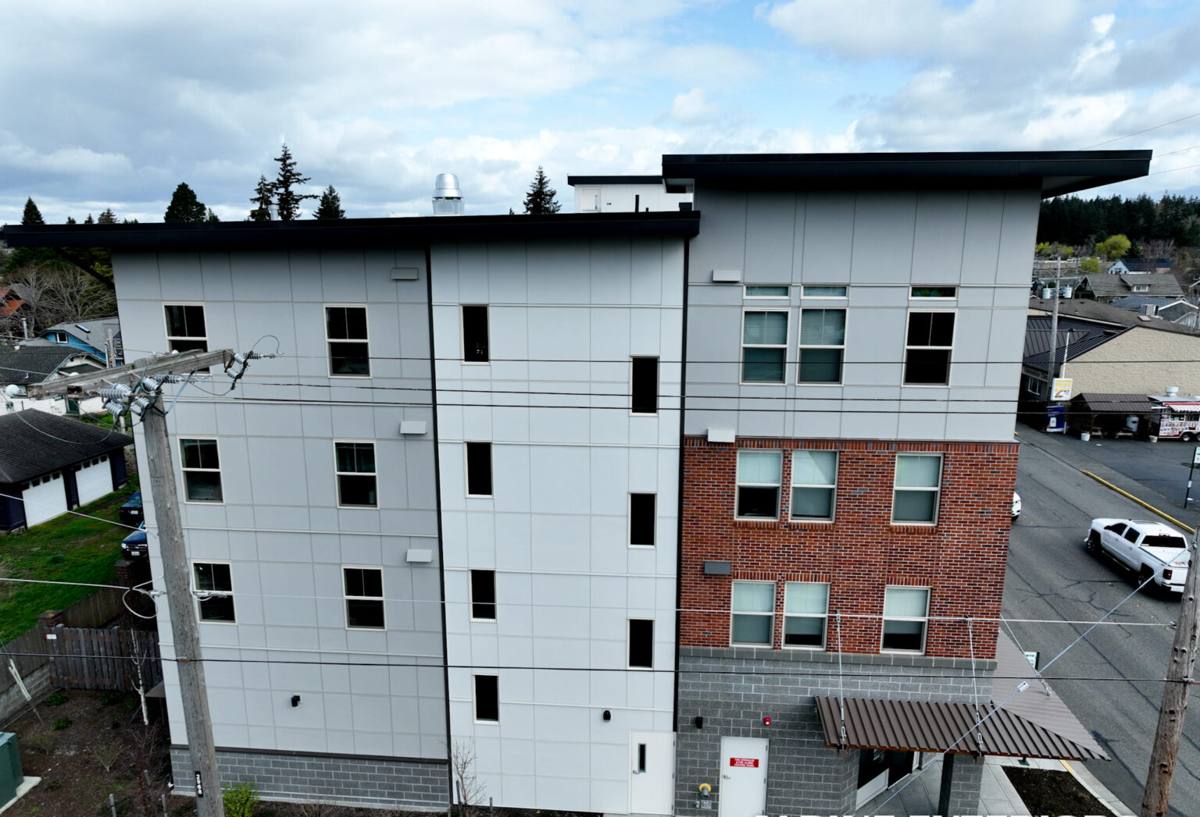
What Whatcom County's Climate Asks of a New Window Install
Whatcom County sits in a marine climate zone, and homes here deal with a specific combination of stresses that inland builds don't. Three matter most for new-construction windows:
- Salt air: Proximity to Puget Sound and the Strait of Georgia means airborne salt can accelerate corrosion on fasteners, hardware, and unprotected metal flashing over time. Material choice and fastener selection matter more here than in a dry inland climate.
- Driving rain: Wind-driven rain doesn't just fall on a window — it pushes against it. A window that's watertight in a still rain can still leak under wind pressure if the flashing details and sill pan aren't done correctly.
- A long moss and algae season: Extended damp, shaded periods encourage moss and algae growth on north-facing walls, trim, and anywhere water sits instead of draining. That has real implications for how sills, trim, and drainage paths are detailed at install.
None of this means new-construction windows in Sudden Valley need to be exotic or overbuilt. It means the fundamentals — flashing sequence, drainage, sealant placement, and fastening — have to be done in the correct order, every time, without shortcuts. That's a workmanship issue more than a product issue.
New-Construction vs. Replacement Windows: Why the Distinction Matters
People sometimes assume "new-construction window" just means a window that's new. It actually refers to a specific product type and installation method, different from a replacement (or "pocket") window used to swap out an existing unit without disturbing the wall.
| Factor | New-Construction Window | Replacement Window |
|---|---|---|
| Nailing flange | Yes — integral flange fastens to the framing | Usually none — fits inside the existing frame |
| Installation stage | Before siding and exterior finish go on | After the home is finished, into an existing opening |
| Flashing access | Full access to house wrap and rough opening | Limited — existing frame stays in place |
| Best use case | New builds, additions, full wall reframes | Swapping old windows in a finished home |
| Long-term weatherproofing control | Highest — installer controls the whole water path | Dependent on the condition of the existing frame |
For a Sudden Valley new build, the nailing-flange window is almost always the right call — it lets us build a continuous, lapped drainage path from the house wrap down through the sill and out, which is exactly what a driving-rain climate demands.
Why This Distinction Matters More Here
Because the flange window is installed before the wall is closed up, the flashing sequence around it is the single biggest factor in whether that window leaks in year one or year fifteen. On a replacement window, some of that risk already exists in the wall. On new construction, we're setting the standard for the life of the house — there's no excuse for cutting corners because it's genuinely easier to do it right at this stage than to retrofit it later.
What a Correct New-Construction Window Install Actually Involves
A lot of the work that determines whether a window performs well happens before the window is even set in the opening. Here's the sequence we follow and why each step matters in this climate.
Sill Pan and Drainage Plane
Every rough opening gets a sloped sill pan before the window goes in, so that any water that does get past the exterior seal has somewhere to go — out, not into the wall cavity. In a climate with a long wet season and extended periods of driving rain, skipping the sill pan is one of the most common causes of hidden rot we see in older homes. On new construction, there's no reason not to do it properly the first time.
Flashing and Weather-Resistive Barrier Integration
Flashing tape and the house wrap have to be layered in the correct shingle-lap order — meaning each layer overlaps the one below it, so water is always directed outward and downward, never trapped behind a barrier. This is where rushed jobs go wrong. It only takes one reversed lap or one skipped strip of tape at a corner to create a path for water intrusion that won't show up for years.
Fastening and Structural Fit
The window has to be plumb, level, and square in the opening, shimmed correctly so the frame isn't racked, and fastened per the manufacturer's schedule — not just wherever's convenient. An out-of-square window stresses the sash, can cause premature seal failure, and makes the unit harder to operate over time.
Interior and Exterior Sealant
Sealant is the last line of defense, not the first. We use it to back up the flashing and drainage details, not replace them. A window that relies on caulk alone to stay dry will eventually fail — caulk degrades, and Whatcom County's UV and moisture cycle wears sealants faster than a drier inland climate would.
Choosing Materials for This Climate
Frame material and glass package both affect how a window holds up to salt air, rain, and shaded, damp conditions. There's no single "best" choice for every home — it depends on budget, exposure, and how the rest of the house is finished.
| Frame Material | Strengths in This Climate | Trade-Offs |
|---|---|---|
| Vinyl | No corrosion risk from salt air, low maintenance, good value | Can expand/contract with temperature swings; quality varies widely by manufacturer |
| Fiberglass | Very stable dimensionally, holds paint well, strong long-term performance | Higher upfront cost than vinyl |
| Wood-clad | Warm interior appearance, good insulating properties | Cladding seams need careful detailing to avoid moisture intrusion in a wet climate |
| Aluminum | Strong, slim sightlines | Conducts heat and cold, more prone to salt-air corrosion without proper coatings |
On glass, a low-E coated, dual-pane package is the baseline we recommend for this area — it helps with both energy performance and condensation control, which matters when a home sits in a cool, humid, shaded setting for a good part of the year. Homes with more sun and wind exposure sometimes benefit from a different low-E tune than homes tucked into tree cover, so we walk through that with the builder or homeowner rather than defaulting to one spec for every job.
How We Work on a Sudden Valley Build
Timing With the Build Schedule
Windows go in after the house is framed and wrapped, but before siding and exterior trim close things up. That window in the schedule is tight, and it's also the point where a mistake is cheapest to catch — everything's still open and inspectable. We coordinate directly with the builder or general contractor on timing so windows aren't rushed in ahead of a dry wrap, and aren't held up in a way that delays siding.
Coordination With Siding and Trim
Because we also do exterior siding work, we think about how the window flashing will interact with whatever cladding is going over it — lap siding, panel siding, trim board, whatever the plan calls for. That coordination avoids the common problem of a window installer and a siding crew each assuming the other handled a detail at the interface, which is exactly where leaks start.
Final Check and Water Testing
Before we call a window install complete, we do a visual and functional check of every unit — operation, seal, level and plumb, and flashing lap direction. On builds where it's warranted, we'll also do a simple water test on select openings before siding closes them in, so any issue gets caught while it's still a five-minute fix instead of a tear-out.
Maintenance in a Moss-Prone, Salt-Air Environment
A correctly installed new-construction window is largely maintenance-free for years, but a few habits extend its life meaningfully in this climate:
- Keep gutters and downspouts clear so water isn't sheeting down over window heads during heavy rain
- Trim back vegetation and tree cover near north- and shade-facing windows to reduce the damp conditions that encourage moss and algae buildup on sills and trim
- Rinse accumulated grime and salt residue off frames and glass a couple times a year, especially on homes with more open exposure
- Check exterior sealant lines annually for cracking or separation and have them touched up before they fail outright
- Make sure weep holes at the sill stay clear of debris so drainage isn't blocked
Common Mistakes We See on New Builds — and Avoid
Most window problems on new construction trace back to a handful of avoidable mistakes: skipping or shortcutting the sill pan, taping flashing in the wrong lap order, over-relying on caulk instead of proper drainage detailing, fastening through the frame in a way that racks it out of square, or leaving weep paths blocked by trim or sealant. None of these are exotic failures — they're workmanship issues that show up because a step got rushed. Our approach is to slow down at exactly the points where rushing causes problems later, since those are also the cheapest points to fix anything that isn't right.
Why a Local Ferndale Crew Matters for This Job
Window installation quality depends heavily on understanding how a specific climate behaves against a house over time — not just the manufacturer's install manual, which is written for a generic climate. A crew that regularly works Whatcom County builds has already seen how driving rain moves across a wall in a windstorm off the Sound, how long moss takes to establish on a shaded north wall, and where salt air tends to do the most damage to unprotected hardware. That's the kind of knowledge that shows up in the small decisions — where extra flashing tape goes, which fastener coating to spec, how a sill pan is sloped — that a generic install wouldn't necessarily account for.
Being based in Ferndale also means we're not driving a long distance to be on-site for a schedule change, a weather delay, or a final check before siding closes the wall up. On new construction, timing coordination with the rest of the build matters, and being local makes that easier.
If you're building new in Sudden Valley and want windows installed correctly the first time, we're happy to walk the plans or the framed site with you and put together a straightforward, no-pressure estimate. Use the form below to get started.