 Ferndale Siding
 Roof Replacement Built for the Lummi Nation Area's Climate
Homes in and around the Lummi Nation area, just outside Ferndale, sit closer to the water and the wind than most of Whatcom County. That location is part of what makes the area beautiful, and it's also what makes roofs here wear differently than roofs ten or fifteen miles inland. Salt-laden air off the bay, driving rain that comes in sideways during winter storms, and a moss season that can stretch most of the year all add up over time. This page covers roof replacement specifically for this area — what the climate does to a roof, what a correct replacement job actually involves, and how our process works when we're out there.
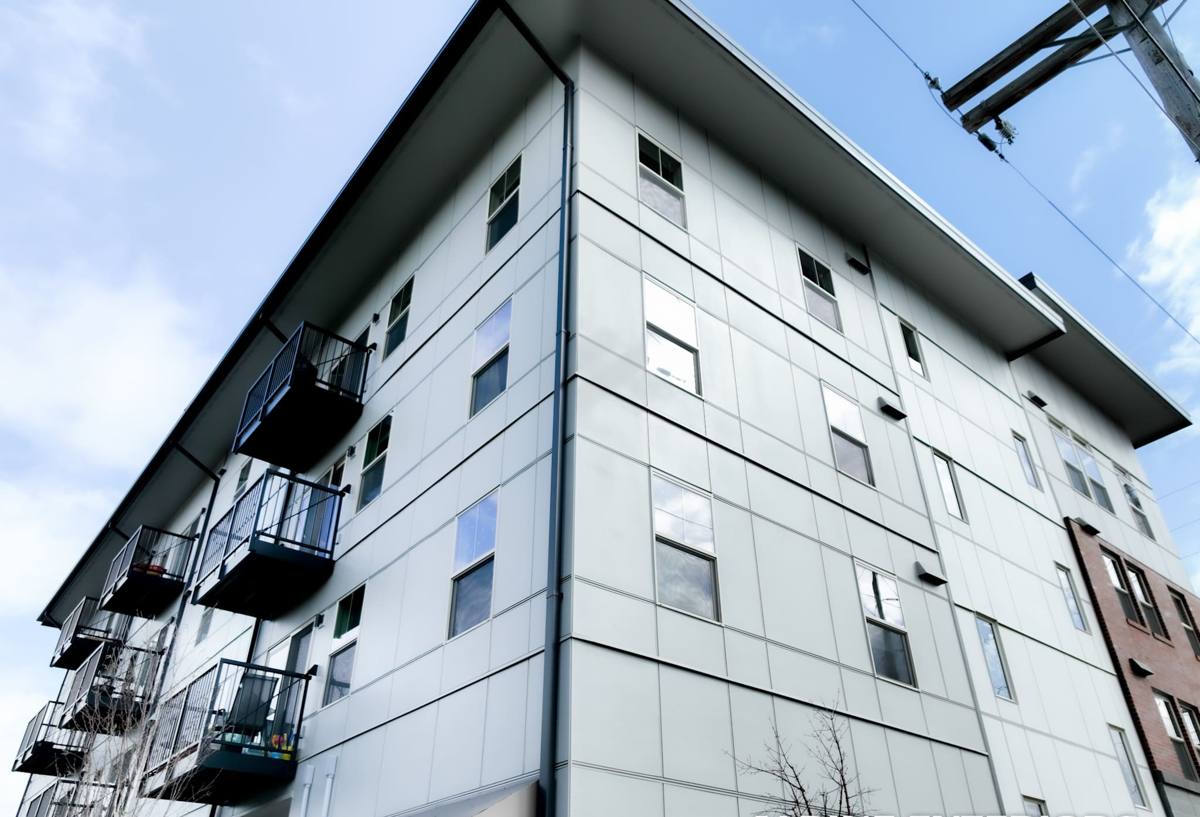
What This Climate Does to a Roof Over Time
Every roofing material eventually needs to be replaced, but the timeline and the failure points look different depending on exposure. A few things stand out in this part of Whatcom County.
Salt Air and Coastal Exposure
Proximity to the water means metal components — flashing, fasteners, vents, gutter hardware — face more corrosion pressure than the same materials would inland. This doesn't mean metal can't be used well here; it means the grade of metal and the fastener type matter more than they would on a roof twenty miles from the coast. Cheap or mismatched hardware corrodes faster in this air, and once flashing starts to go, leaks follow.
Wind-Driven Rain
Rain that falls straight down is far less demanding on a roof than rain that's pushed sideways by wind off the water. Wind-driven rain gets up under shingle tabs, around poorly sealed flashing, and into any gap that a calmer climate would never test. This is why underlayment choice and flashing detail work matter more here than they would in a drier, calmer region — a roof that would perform fine somewhere else can leak here if it wasn't built for this kind of weather.
A Long Moss Season
Shaded, north-facing, and tree-covered roof sections in this area can stay damp for much of the year. Moss doesn't just sit on top of shingles — its root structure holds moisture against the surface and, left long enough, works its way under shingle edges and into the granule layer. On an older roof, heavy moss is often as much a sign of long-term moisture exposure as it is a cosmetic problem.
Signs Your Roof Is Actually Due for Replacement
Not every roof with moss or a few missing granules needs to come off. Replacement makes sense when the underlying structure or material has reached the end of its useful life, not just when the roof looks tired. Here's what we actually look for:
- Shingles that are cupping, curling, or cracking across multiple areas of the roof, not just one isolated spot
- Granule loss heavy enough to see bare asphalt, especially in valleys and high-flow areas
- Soft or spongy spots underfoot, which usually mean the deck underneath has taken on moisture
- Daylight visible through the roof deck from inside the attic
- Repeated leaks in different locations rather than one recurring spot that can be flashed or patched
- Flashing that's rusted, lifted, or separating from the roof plane around chimneys, vents, and valleys
- A roof approaching or past the manufacturer's expected service life for its material and this climate
If your roof shows one or two of these on an otherwise sound structure, a repair may be the more honest answer. We'll tell you that directly rather than push a full replacement that isn't needed yet.
What a Correct Roof Replacement Involves
A roof replacement is only as good as what happens underneath the material you can see. Skipping steps here is the single biggest reason roofs fail early in this climate.
Tear-Off and Deck Inspection
We remove the old roofing down to the deck rather than layering new material over old — layering traps moisture and hides deck damage that needs to be dealt with. Once the deck is exposed, we check it for soft spots, rot, and delamination, especially around valleys, chimneys, and any area that showed leak history. Damaged sheathing gets replaced before anything new goes down.
Underlayment and Flashing
Given how much wind-driven rain this area sees, underlayment isn't a place to cut corners. We use synthetic underlayment across the field and ice-and-water shield membrane at eaves, valleys, and any penetration point, which gives the roof a sealed backup layer if wind ever drives water past the primary material. New flashing goes in at every chimney, vent, skylight, and wall intersection — reusing old flashing is one of the most common sources of early leaks we get called out to fix.
Ventilation
A roof deck that can't breathe traps heat and moisture, which shortens shingle life from underneath and can encourage rot regardless of how good the surface material is. We check intake and exhaust ventilation balance as part of the replacement, not as an afterthought — this matters as much for how the roof performs in five years as the shingles themselves.
Final Material Installation
Correct nailing pattern, proper exposure, and manufacturer-spec fastening all affect wind resistance, which is directly relevant here given how exposed this area is to storms coming off the water. We follow manufacturer installation specs exactly, because that's also what keeps the material warranty valid if something ever needs to be claimed.
Choosing the Right Roofing Material for This Area
There isn't one "correct" material for every home — it depends on budget, exposure, roof pitch, and how long you plan to own the home. Here's an honest comparison of the main options we install in this area:
| Material | How It Handles This Climate | Typical Lifespan | Relative Cost |
|---|---|---|---|
| Architectural asphalt shingle | Good performance with proper underlayment and flashing; wide range of wind ratings available | 25–35 years | Lowest upfront cost |
| Standing seam metal | Excellent wind and moisture resistance; needs corrosion-resistant fasteners and flashing near the coast | 40–60 years | Higher upfront cost, lower lifetime cost |
| Synthetic composite (shake/slate look) | Handles moisture well, resists moss better than wood, doesn't corrode | 30–50 years | Mid to upper range |
| Cedar shake | Traditional look but higher maintenance burden in a moss-prone, damp climate; needs regular upkeep to avoid rot | 20–30 years with upkeep | Higher, plus ongoing maintenance cost |
Our standard recommendation for most homes in this area is a quality architectural shingle with upgraded underlayment and flashing detail, which balances cost against the demands of the climate. For homes with heavy tree cover or long-term ownership plans, metal or synthetic composite can make sense despite the higher upfront number, mainly because they hold up better against moss and moisture without the maintenance cedar requires.
Our Process, Start to Finish
- On-site inspection. We walk the roof and the attic, not just look from the ground, and photograph problem areas so you can see exactly what we're seeing.
- Written estimate. A clear scope of work and price, broken down by material and labor, with no vague allowances hiding inside the number.
- Material selection. We walk through the trade-offs above based on your budget, roof exposure, and how long you plan to stay in the home.
- Permitting. We handle the permit process for the correct jurisdiction before work starts.
- Tear-off and deck repair. Old roofing comes off, the deck gets inspected, and any damaged sheathing is replaced before new material goes down.
- Installation. Underlayment, flashing, ventilation, and final material go in to manufacturer spec.
- Cleanup and final walkthrough. Magnetic sweep for nails, full site cleanup, and a walkthrough so you know exactly what was done and what warranty coverage applies.
Why Hire a Crew That Already Works the Lummi Nation Area
Roof replacement isn't a job you want to hand to a crew that's guessing at local conditions for the first time. A few things matter specifically here:
Homes on or near Lummi Nation land can fall under a different permitting and inspection process than the rest of Whatcom County. A crew that already works this area knows which jurisdiction applies to a given property and pulls the right permit the first time instead of finding out mid-project that something needs to be redone.
Wind and rain exposure near the water also means fastening patterns, underlayment choices, and flashing details that work fine on a sheltered inland roof aren't automatically the right call out here. A crew with local experience builds for the exposure this area actually gets, not a generic spec sheet.
And logistics matter too — knowing the terrain, access points, and typical weather windows for this area means fewer surprises and fewer delays once a job is scheduled.
Keeping a New Roof Performing After Installation
A correctly installed roof still benefits from basic upkeep in this climate, especially with a moss season this long. A few habits go a long way:
- Keep gutters clear so water isn't backing up under the roof edge during heavy rain
- Trim back overhanging branches to reduce shade and debris buildup on the roof surface
- Have moss treated or removed before it establishes rather than after it's visibly heavy
- Schedule a periodic visual check after major windstorms, since flashing and fasteners are the first things to loosen
None of this requires a maintenance contract or constant attention — it's a short list that meaningfully extends the life of the roof you just paid for.
If your roof is showing wear, or you just want an honest opinion on whether it needs replacing versus repair, we're happy to come take a look. The estimate is free, there's no pressure, and you'll get a straight answer either way — use the form below to get started.