 Ferndale Siding
 Roof Repair Built for Kendall's Weather, Not a Generic Climate
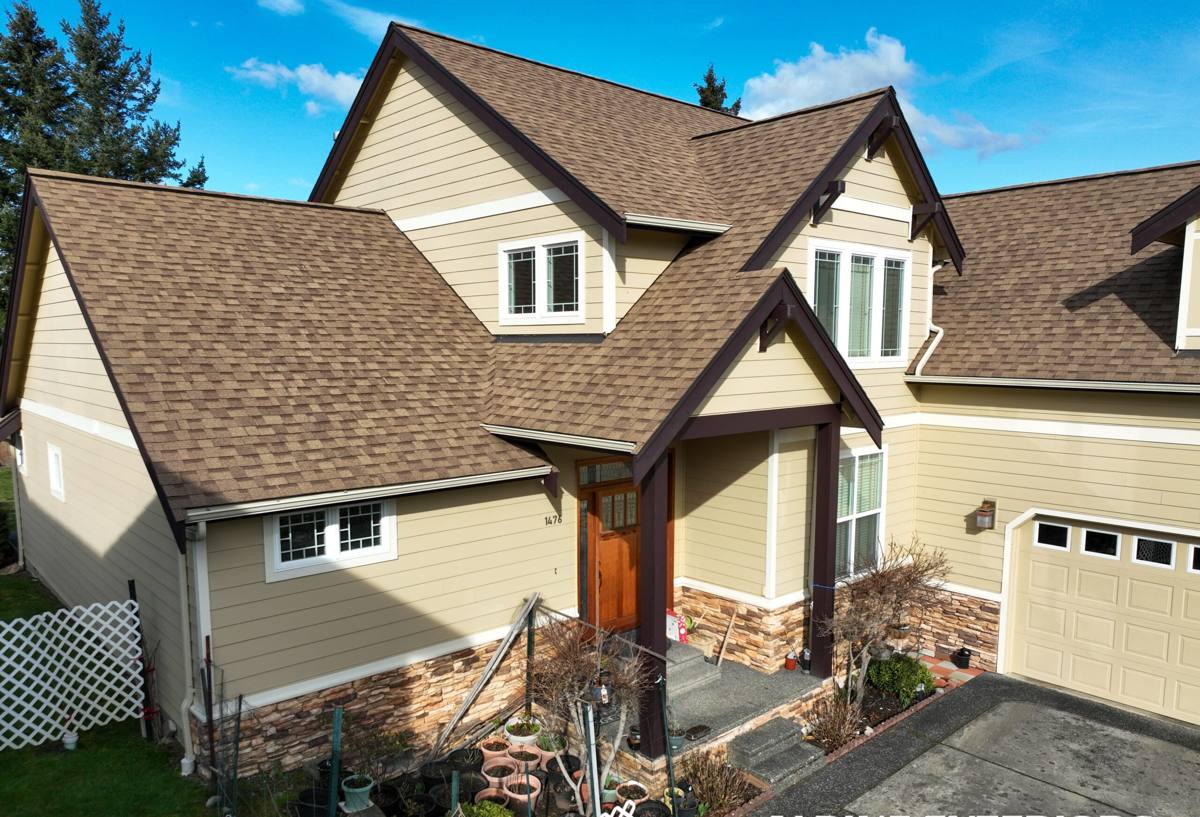
Kendall sits in a part of Whatcom County where the roof over your head works harder than it does almost anywhere else in the state. Between the driving rain that blows in off the water, the salt-laden air that creeps inland on windy days, and a moss season that can stretch from fall through spring, roofing materials here age differently than they would in a drier, sunnier climate. A repair that would hold up fine in eastern Washington can fail here in a year or two if it wasn't done with this specific climate in mind.
That's the difference between a roof repair that lasts and one that just covers up a problem temporarily. We repair roofs in Kendall regularly, and the patterns of damage we see are consistent enough that we can usually tell what's wrong with a roof before we're even fully off the ladder.
Why Local Roofs Fail the Way They Do
Moisture That Never Fully Dries Out
In a lot of the country, roofs get wet and then get a solid stretch of dry, sunny days to bake off that moisture. In Whatcom County, that drying window is a lot shorter, especially under tree cover or on north-facing slopes. Shingles, decking, and underlayment stay damp longer, which speeds up granule loss, softens wood, and gives moss and moss spores exactly the conditions they need to take hold.
Moss and Organic Growth
Moss is more than a cosmetic issue. It holds water against the shingle surface, works its way under shingle tabs and around flashing edges, and physically lifts materials as it grows. Left long enough, it opens paths for water to reach the decking underneath — which is when a simple repair turns into a much bigger and more expensive one.
Salt Air and Metal Fatigue
Salt-carrying air accelerates corrosion on exposed metal roofing components — flashing, fasteners, vent boots, gutter hardware. Once that corrosion starts, it doesn't stay put; it weakens the seal at those points and creates the small gaps where leaks actually begin. Most roof leaks we find don't start in the middle of a roof field — they start at a metal transition point.
Wind-Driven Rain
Rain that falls straight down is far less demanding on a roof than rain that's being pushed sideways by wind. Wind-driven rain finds every weak lap, every under-sealed nail, and every spot where a shingle has started to lift. It's a big reason why proper technique at flashing, valleys, and edges matters more here than in calmer climates.
Signs a Kendall Roof Needs Repair Now
- Granules collecting in gutters or at downspout outlets
- Dark streaking or green-black growth on shingle surfaces
- Soft or spongy spots when walked on (a sign moisture has reached the decking)
- Curling, cracking, or lifted shingle edges, especially on north-facing slopes
- Rust staining below metal flashing or vent boots
- Water stains on interior ceilings or in the attic, even faint or old-looking ones
- Daylight visible through the roof deck from inside the attic
- Sagging in the roofline between rafters
Any one of these on its own might not mean much. Two or three together, especially combined with the roof's age, usually mean it's time for a closer look.
What a Correct Repair Actually Involves
A roof repair that's done right isn't just about swapping out a few damaged shingles. It's about understanding why that section failed in the first place and making sure the fix addresses the cause, not just the symptom.
Diagnosing the Real Source
Water travels. A stain on a ceiling might be feet away from where the water actually entered the roof. We trace leaks back to their source — often a flashing failure, a nail pop, or a compromised seal — instead of just patching the spot where the damage shows up indoors.
Checking the Decking, Not Just the Surface
If moisture has been sitting under damaged shingles for any length of time, the plywood or OSB decking underneath may have softened or delaminated. Replacing shingles over compromised decking doesn't fix anything — it just hides the problem until it gets worse. Any legitimate repair includes checking what's underneath, not just what's visible from the ground.
Matching Materials and Technique to the Climate
Underlayment choice, fastener type, and how flashing is lapped and sealed all matter more in a wet climate than a dry one. We use materials and installation methods suited to sustained moisture exposure, not just whatever's fastest to install.
Addressing Moss at the Root, Not Just the Surface
Removing visible moss without addressing the conditions that let it grow — shade, debris buildup, poor airflow, aging shingle granules — just means it comes back. A proper repair includes gentle, non-damaging moss and debris removal and, where it makes sense, guidance on prevention going forward.
Common Repair Situations We Handle in Kendall
| Issue | Typical Cause | What the Repair Involves |
|---|---|---|
| Leak around a chimney or skylight | Failed or corroded flashing seal | Remove and replace flashing, re-seal with proper technique and materials |
| Soft spot in roof deck | Prolonged moisture intrusion through damaged shingles | Cut out and replace affected decking, then re-shingle the section |
| Heavy moss buildup | Shade, moisture retention, aging shingle surface | Careful removal, treatment, and airflow/debris recommendations |
| Lifted or missing shingles after wind | Wind-driven rain and aging fasteners | Replace damaged shingles, re-secure surrounding material properly |
| Rust staining near vents or gutters | Corrosion from prolonged salt-air and moisture exposure | Replace corroded metal components, inspect for underlying leaks |
| Granule loss and thinning shingles | Normal aging accelerated by sustained moisture | Section replacement if isolated, or repair-vs-replace evaluation if widespread |
Our Repair Process
- Inspection. We look at the whole roof, not just the reported problem area, including attic access where possible to check for hidden moisture.
- Honest assessment. We tell you plainly whether it's a repair, how extensive it needs to be, and if there's any sign the roof is nearing the point where replacement makes more financial sense.
- Clear scope and pricing. You know what's being done and why before any work starts.
- The repair itself. Matching materials, proper flashing technique, and attention to the decking underneath — not just the visible surface.
- Cleanup and final check. We walk the repair with you so you know exactly what was done.
Repair or Replace? How We Help You Decide
Not every roof problem calls for a full replacement, and we're not going to tell you it does just because that's a bigger job. But there are situations where repeated repairs stop making financial sense.
| Factor | Leans Toward Repair | Leans Toward Replacement |
|---|---|---|
| Roof age | Under 15-20 years, depending on material | Approaching or past expected material lifespan |
| Extent of damage | Isolated to one section or issue | Widespread across multiple slopes |
| Decking condition | Solid, dry, structurally sound | Soft, delaminated, or damaged in multiple areas |
| Repair history | First or infrequent repair | Recurring repairs in different spots each year |
| Moss/moisture pattern | Surface-level, recently developed | Long-term staining suggesting repeated saturation |
When a roof is genuinely at the point where replacement is the smarter long-term choice, we'll say so directly and explain the reasoning — never as an upsell, just as an honest read on where your money is best spent.
Why It Matters to Hire a Crew That Already Works in Kendall
Roofing technique that works in a mild, dry climate can fall short here. A crew that regularly works roofs in Kendall and the surrounding Whatcom County area already understands how moss develops on local roof lines, how far wind-driven rain can push under an improperly lapped shingle, and which flashing details matter most given the amount of sustained moisture this area sees over a typical year. That familiarity shows up in the quality of the repair, not just in how fast the job gets done.
It also means we're not learning on your roof. We've seen how these specific conditions — the rain, the salt air, the shade and moss pressure — play out on real roofs in this part of the county, and that experience shapes every repair decision we make.
Maintenance Checklist Between Repairs
A repair lasts longer when it's not fighting the same conditions unchecked in between visits. A few habits go a long way:
- Clear gutters and downspouts at least twice a year so water isn't backing up under roof edges
- Trim back overhanging branches to reduce shade and debris buildup that feed moss growth
- Do a visual check from the ground after major windstorms for lifted or missing shingles
- Check attic spaces occasionally for musty smells, staining, or daylight through the deck
- Address small moss patches early rather than waiting for them to spread
- Have the roof looked at by a professional every couple of years, even with no obvious problems
Get an Honest Look at Your Roof
If you're dealing with a leak, visible moss, missing shingles, or you just want a professional opinion on a roof that's starting to show its age, we're glad to take a look. There's no pressure and no obligation — just a straightforward assessment from a crew that knows what Kendall roofs are up against. Fill out the form below to request your free estimate.