 Ferndale Siding
 Why Bellingham Homes Need Siding Built for This Climate
Bellingham sits close enough to the water that homes here take on a different kind of weather load than siding was originally designed for in most of the country. Salt-laden air off the bay, long stretches of driving rain through fall and winter, and a moss season that can run most of the year in shaded, north-facing exposures all work on exterior cladding at the same time. Siding that performs fine in a dry inland climate can fail years early here, and a lot of the callbacks we see on older homes trace back to a product or an installation detail that simply wasn't matched to this environment.
We work James Hardie fiber cement siding throughout Whatcom County, and Bellingham is one of the areas where the climate case for it is easiest to make. This page focuses specifically on what Hardie siding needs to do right on a Bellingham home, what a correct installation actually involves, and why the crew doing the work matters as much as the product itself.
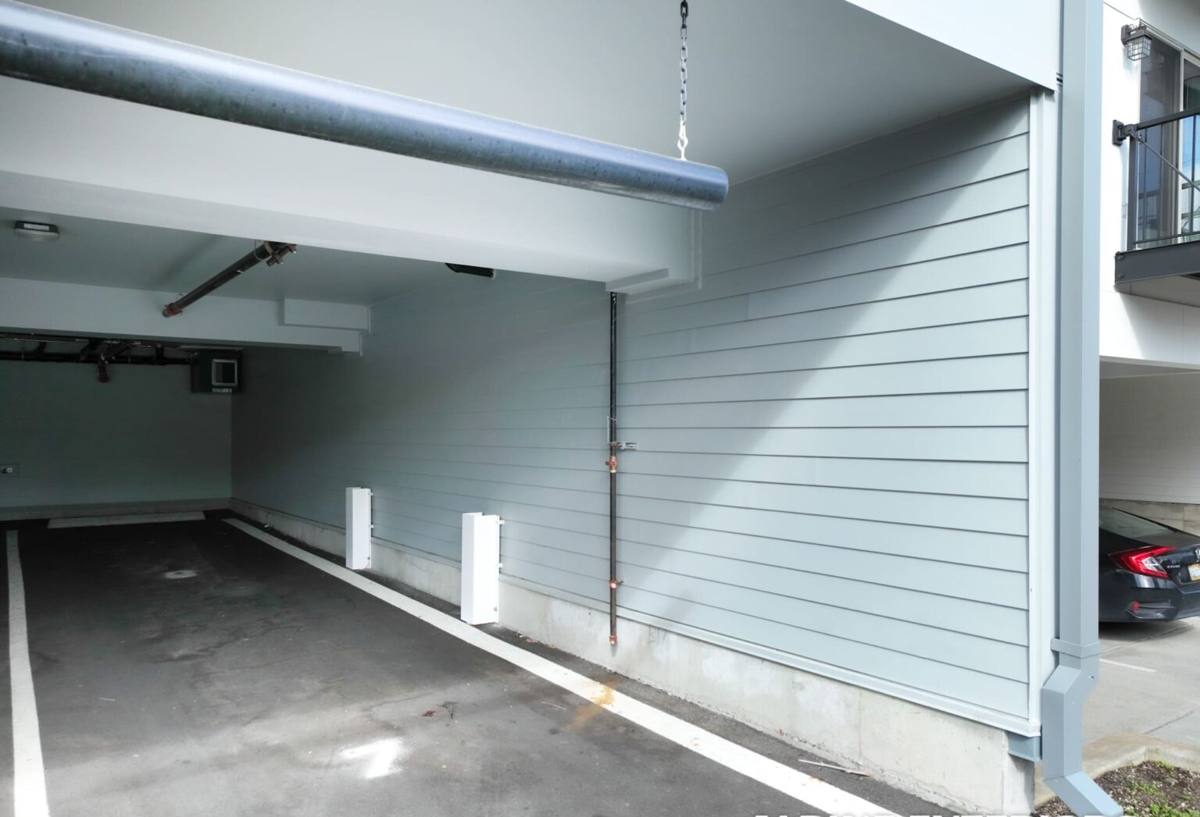
What Salt Air, Rain, and Moss Actually Do to Siding
Each of these three factors stresses siding differently, and they compound.
- Salt air accelerates corrosion on fasteners, flashing, and trim hardware, and it can dull or degrade lower-grade paint finishes faster than inland UV exposure alone would.
- Driving rain, especially wind-driven rain hitting walls at an angle, pushes water into laps, seams, and butt joints that aren't detailed correctly. Over time, water intrusion behind siding leads to sheathing rot and framing damage that's invisible until it's serious.
- Moss and algae thrive in the shaded, moisture-retentive microclimates common on Bellingham lots with mature trees or close-set homes. Moss holds moisture against a wall surface far longer than open air would, which is exactly the condition that breaks down siding materials that aren't dimensionally stable or moisture-resistant.
None of these conditions are unusual for this part of Washington. The problem is that a lot of siding on the market was engineered for a national average climate, not specifically for the Pacific Northwest's wet, marine-influenced weather pattern.
Why James Hardie Fiber Cement Fits This Climate
Climate-Engineered HZ Product Lines
James Hardie makes region-specific versions of its siding, engineered for the moisture and weather patterns of different parts of the country. The HZ5 line is built for climates like ours, where sustained moisture exposure is the dominant stress rather than extreme heat or freeze-thaw cycling. Fiber cement itself doesn't rot, swell, or delaminate the way wood-based and some engineered wood products can when they take on repeated moisture over years.
Non-Combustible Material
Hardie siding is non-combustible fiber cement, which matters for insurance considerations and for wildfire-adjacent risk in drier summer stretches, even in a generally wet region like Whatcom County. It's a material property that's simply not available with wood or vinyl siding.
ColorPlus Factory Finish
Most of the color failures we see on siding aren't a material problem — they're a paint problem. Hardie's ColorPlus finish is baked on at the factory under controlled conditions, which produces a more consistent, UV- and moisture-resistant finish than field-applied paint, and it carries its own finish warranty separate from the product warranty. In a salt-air environment, a durable factory finish is worth more than it might seem on a spec sheet, because it's one less variable that can go wrong at the jobsite.
What a Correct James Hardie Installation Actually Involves
Fiber cement siding performs the way it's engineered to only when it's installed to Hardie's specifications. A lot of the problems attributed to "bad siding" are actually installation shortcuts, and in a wet climate those shortcuts show up faster.
Moisture Management Behind the Siding
Correct installation starts before the first plank goes up. That means a proper weather-resistive barrier, correctly lapped and taped, with rainscreen or drainage space where the wall assembly calls for it so that any moisture that does get behind the cladding has a way to drain and dry rather than sitting against the sheathing.
Fastening and Clearances
Hardie specifies fastener type, spacing, and placement, along with minimum clearances from grade, roof lines, decks, and other siding terminations. Getting clearances wrong — siding installed too close to grade or to a roof surface, for example — creates a moisture trap that no amount of good material can compensate for.
Trim, Flashing, and Caulking
Every window, door, corner, and penetration is a place where water wants to get behind the wall. Correct flashing details and the right sealant at the right joints — not caulk used as a substitute for flashing — are what keep driving rain out of the wall assembly during winter storms.
Joint and Seam Treatment
Butt joints between planks need to be treated correctly, whether that's with H-jamb trim, a properly lapped and sealed joint, or another Hardie-approved detail. Left unsealed or done wrong, these are one of the most common points of water entry on fiber cement installations.
Comparing Siding Options for a Bellingham Home
| Factor | James Hardie Fiber Cement | Vinyl | Cedar / Untreated Wood |
|---|---|---|---|
| Moisture behavior | Dimensionally stable, engineered for wet climates (HZ5) | Doesn't rot, but can warp and gap over time in temperature swings | Absorbs moisture; prone to rot, swelling, and moss growth without diligent upkeep |
| Salt air resistance | Factory ColorPlus finish resists fading and chalking | Can become brittle and discolored over years of UV and salt exposure | Finish breaks down faster; frequent refinishing needed near the water |
| Fire resistance | Non-combustible | Combustible | Combustible |
| Typical repaint/refinish cycle | ColorPlus finish rated for years before repaint is needed | Doesn't repaint well; fades and shows wear | Every 3-7 years depending on exposure |
| Long-term maintenance | Periodic wash-down, caulk checks | Low, but limited repair options if cracked or warped | Regular sealing, staining, moss and rot monitoring |
We install James Hardie exclusively. We don't carry vinyl, LP SmartSide, Cemplank, Allura, or bare cedar, not because those products have no legitimate use anywhere, but because for the moisture load and salt exposure a Bellingham home deals with, Hardie's engineered climate lines and factory finish give the most predictable long-term result, and standardizing on one system lets our crew install it correctly every time instead of switching techniques between product lines.
Our Process, From Estimate to Finished Job
- Walk-through and assessment. We look at your home's current siding, exposure to weather and salt air, existing moisture or rot issues, and any moss buildup that points to a drainage or shading problem.
- Written estimate. You get a clear scope of work and pricing before anything is scheduled, no pressure to decide on the spot.
- Prep and tear-off. Old siding comes off, sheathing is inspected for hidden moisture damage, and any needed repairs are addressed before new material goes up.
- Weather barrier and drainage plane. Installed to spec, this is the layer that protects your home even if water gets past the siding itself.
- Hardie installation. Planks, panels, or trim are installed per Hardie's fastening and clearance specifications, with correct flashing at every penetration.
- Final walk-through. We review the finished job with you and make sure everything meets the standard we install to.
Choosing a Contractor Who Already Works This Area
A contractor who regularly works Bellingham and greater Whatcom County has already seen how local exposure, prevailing wind direction, and shaded lots affect a specific wall or elevation. That's not something you can fully substitute with a spec sheet. A crew that only occasionally works this far north, or that primarily installs in a drier climate, is more likely to skip a detail that doesn't matter much elsewhere but matters here.
Here's what's worth asking before you hire anyone for a siding project in this area:
- Do you install James Hardie to their published fastening, clearance, and flashing specifications, and can you explain what those are?
- Are you a licensed and insured contractor in Washington, and can you provide proof?
- How do you handle the weather-resistive barrier and drainage plane behind the siding?
- What's your approach to butt joints, trim, and caulking versus flashing?
- Do you offer a written warranty on labor separate from the manufacturer's product warranty?
- Can you walk me through how you'd handle a shaded, moss-prone section of my home differently, if at all?
A contractor who can answer those clearly, without hedging, is a good sign. One who can't explain their moisture management approach is a risk, regardless of what siding product they're proposing.
Maintenance and Longevity in a Marine Climate
Hardie siding installed correctly is low-maintenance, not no-maintenance. In this climate, a periodic rinse-down helps keep salt residue and airborne grime from building up, especially on elevations facing prevailing wind and weather. It's also worth checking caulked joints and trim periodically, since caulk has a shorter service life than the siding itself and is the first thing to fail if it's going to. Keeping vegetation trimmed back from walls helps limit the shaded, damp microclimates where moss and algae tend to take hold. None of this is heavy upkeep, but it's the kind of attention that keeps a correctly installed system performing for its full service life instead of developing problems that could have been caught early.
What Drives Cost on a Bellingham Siding Project
| Cost Factor | Why It Matters Here |
|---|---|
| Home size and wall complexity | More corners, dormers, and trim details mean more flashing and cut work |
| Existing siding removal | Tear-off and disposal of old material adds labor |
| Sheathing repair | Hidden moisture or rot damage found during tear-off needs to be fixed before new siding goes up |
| Product line and profile | Plank width, texture, and trim style affect material cost |
| Access and site conditions | Tight lots, slopes, or limited equipment access can affect labor time |
We give a written, itemized estimate up front so you know what you're paying for and why, rather than a single lump number.
If your Bellingham home's siding is showing wear, moss buildup, or signs of moisture behind the walls, we're happy to take a look and give you a straightforward, no-pressure estimate. Use the form below to get started.