 Ferndale Siding
 Sudden Valley Siding Has to Deal With Weather Most Products Weren't Built For
Homes around Sudden Valley sit in a stretch of Whatcom County where the climate doesn't do anyone any favors on the exterior of a house. You've got marine-influenced air drifting in off the water, long stretches of driving rain that can run for days at a time, and heavy tree cover that keeps siding shaded and damp far longer than it would be on an open lot. Add in the cool, wet winters and you get a siding environment that's constantly testing whatever material is on the wall. Some products hold up to that. A lot of them don't, at least not without ongoing upkeep the average homeowner didn't sign up for.
This page is about one thing: fiber cement siding, installed correctly, on Sudden Valley homes, by a crew that's based in Ferndale and already works this part of Whatcom County. Not a general overview of siding options — a straight explanation of what this climate does to a house, what a correct fiber cement job looks like in response, and why the installer you hire matters as much as the material itself.
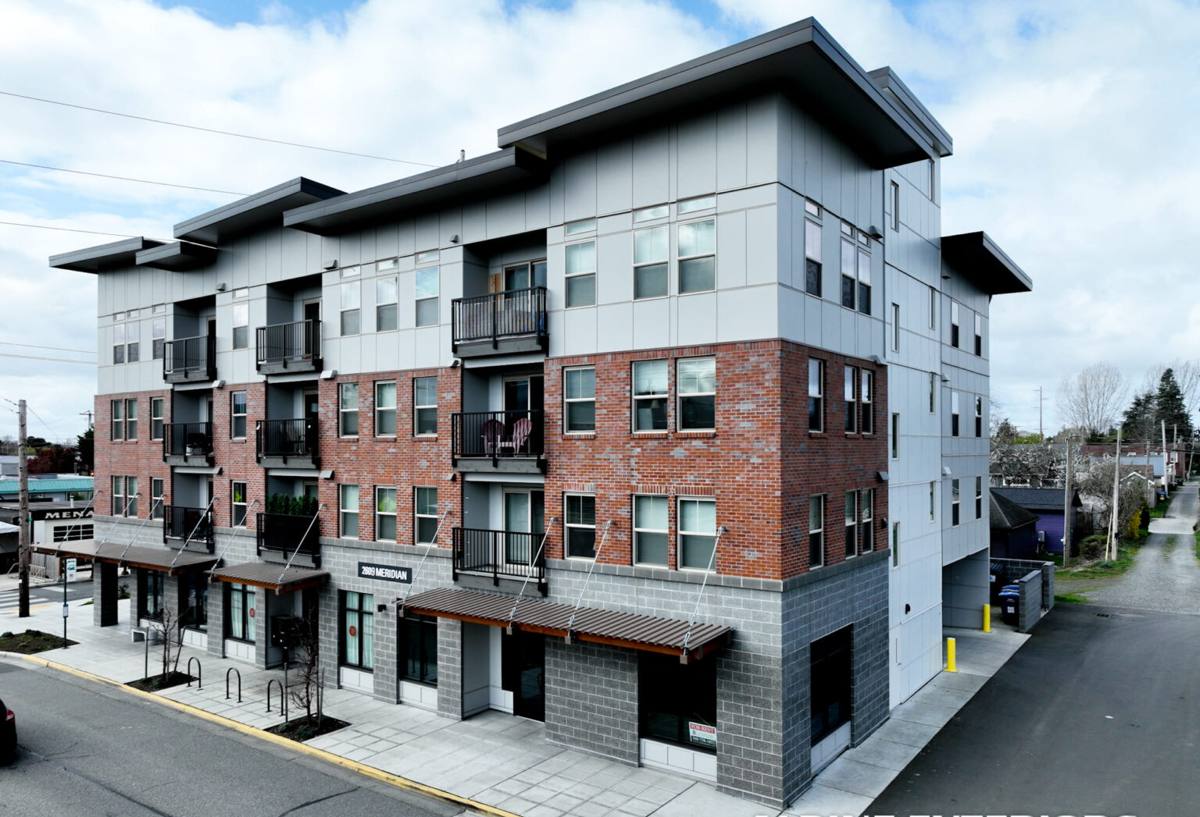
What This Climate Actually Does to Siding
It helps to understand the specific mechanisms at work, because they explain almost every siding failure we see out here.
Moisture that doesn't leave
Whatcom County gets a lot of rain, but the bigger issue for Sudden Valley specifically is how slowly things dry out afterward. Mature tree canopy blocks sun and wind from reaching exterior walls, so siding, trim, and the wood behind it can stay damp for days after a storm passes. Materials that absorb water and swell, or that rely on a perfect paint film to keep moisture out, are working against the odds here.
A long moss and mildew season
Shade plus moisture equals moss, algae, and mildew — and around Sudden Valley that season runs much longer than it does in drier, sunnier parts of the state. Porous or textured surfaces give moss something to grip onto. Once it's established, it holds even more moisture against the siding, which accelerates whatever damage is already happening underneath.
Salt air and driving rain
Homes closer to the water pick up salt-laden air that's harder on fasteners, caulking, and finishes than inland exposure. Combine that with wind-driven rain that gets forced sideways into laps, seams, and trim joints, and you need a siding system with genuinely tight water management — not just a material that looks good going up.
Freeze-thaw cycling
Whatcom County winters aren't brutally cold, but they do freeze, and that's often enough. Water that's already soaked into a porous material expands when it freezes, working joints and seams apart a little more each winter. It's a slow failure, which is exactly why it gets missed until it's expensive.
Why We Install Fiber Cement — and Only James Hardie — on These Homes
We standardized on James Hardie fiber cement siding for every home we work on, including Sudden Valley, because it answers the specific problems above rather than just tolerating them. Fiber cement is non-combustible, dimensionally stable, and doesn't swell or rot the way wood-based products can. James Hardie's HardieZone system also lets us spec the HZ5 product line engineered for the Pacific Northwest's freeze-thaw and moisture exposure, rather than a one-size-fits-all product.
We don't install LP SmartSide, vinyl, primed cedar or spruce, or other fiber cement brands like Cemplank or Allura. That's not a knock on every homeowner who has one of those products on their house — it's that after years of doing this work in exactly this climate, James Hardie is the one system we're willing to put our name on. ColorPlus factory-applied finish holds color and resists the fading and chalking that field-applied paint struggles with in this much rain and UV cycling, and the warranty structure is one we can stand behind when we talk to a Sudden Valley homeowner.
What a Correct Fiber Cement Install Actually Involves
Fiber cement is only as good as the installation behind it. Most of the siding failures we get called out to inspect aren't material failures at all — they're installation shortcuts that let water in behind a perfectly good product. On a Sudden Valley home, we pay particular attention to:
- Proper clearances — siding held at least 6 inches above roofing and grade, and gapped correctly at decks and patios, so splash-back and standing moisture never sit against the bottom edge.
- Correct flashing at every penetration — windows, doors, hose bibs, light fixtures, and vents all get flashed and sealed before a single board goes up, not caulked after the fact.
- Fastener placement and type — corrosion-resistant fasteners driven per manufacturer spec, not overdriven or placed where they'll split the board or telegraph through the finish.
- Correct joint treatment — butt joints properly flashed or sealed with a product rated for the movement and moisture this climate produces, not just caulked and painted over.
- Rain screen or drainage plane where called for — a gap behind the siding lets any incidental moisture drain and dry instead of sitting against the wall assembly, which matters more here than in a drier climate.
- Ventilation at soffits and attic spaces — so the moisture problem isn't just moved from the outside of the wall to the inside.
Skip any one of these and you can have James Hardie boards on a wall that still fails early — which is exactly why the installer matters as much as the brand.
Our Process on a Sudden Valley Home
- On-site assessment. We look at the existing siding, sheathing, and trim, check for moisture damage or rot already in progress, and note site-specific issues like tree cover, shaded elevations, or drainage patterns around the foundation.
- Scope and product selection. We walk through HardieZone HZ5 panel, plank, and shingle options, ColorPlus color choices, and where a rain screen or extra flashing detail makes sense given the home's exposure.
- Tear-off and inspection. Old siding comes off down to the sheathing so we can actually see and fix any hidden moisture damage instead of covering it back up.
- Weather barrier and flashing. House wrap or building paper, window and penetration flashing, and drainage detailing get installed and inspected before any Hardie product goes up.
- Installation to manufacturer spec. Correct clearances, fastening, and joint treatment throughout — the details covered above, not shortcuts to move faster.
- Final walk-through. We go over caulking, trim, and touch-up with the homeowner before calling the job done.
Cost Factors on Sudden Valley Projects
Every home is different, but these are the variables that most often move the number on a fiber cement re-side out here:
| Factor | Why It Matters Locally |
|---|---|
| Existing moisture/rot damage | Homes with long-standing moss or shaded, damp walls more often need sheathing or framing repair once old siding comes off |
| Home access and tree cover | Wooded lots common around Sudden Valley can slow staging, scaffolding, and material delivery |
| Product line and profile | HardieZone HZ5 plank, panel, and shingle profiles vary in material and labor cost |
| Trim and detail work | Homes with more window/door penetrations and architectural trim need more flashing and finish work |
| Rain screen / drainage upgrade | Adding a drainage gap behind siding adds labor but pays off in a wet, shaded climate |
| Story height and roofline complexity | Multi-story homes and steep or complex rooflines add staging and safety requirements |
Maintenance That Actually Matters Here
Fiber cement lowers the maintenance burden compared to wood, but "low-maintenance" doesn't mean "no-maintenance" — especially with a moss season this long. A simple annual routine keeps a correctly installed Hardie exterior performing the way it should:
- Rinse siding annually to knock down moss and mildew before it gets established, especially on shaded, north-facing walls.
- Keep gutters clear so overflow doesn't run down the face of the siding.
- Trim back tree limbs and shrubs that keep siding shaded and damp against the wall.
- Check caulking at trim and penetrations every year or two and re-caulk any joint that's cracked or pulled away.
- Watch for any staining or soft spots at the bottom courses, which usually mean a clearance or drainage issue worth addressing early.
Why Hiring a Crew That Already Works This Area Matters
A siding crew that already works Sudden Valley and the surrounding Ferndale area isn't guessing at the details above — they've already seen how this specific combination of shade, moisture, and marine air behaves on homes nearby. That translates into fewer surprises during tear-off, a better sense of where extra flashing or drainage detail is worth the cost, and a realistic timeline that accounts for Whatcom County's wetter stretches of the year. It also means a crew that's used to coordinating with local permitting and that isn't learning the region's climate on your project.
If you're planning a siding project in Sudden Valley, we'd rather walk your home in person and give you a straight answer on what it needs than sell you a generic package. Reach out for a free, no-pressure estimate — our Ferndale-based crew will look at your home's actual exposure and moisture history and tell you what a correct James Hardie installation would involve, no obligation.