 Ferndale Siding
 Window Replacement Built for the Fairhaven Climate
Homes in the Fairhaven area sit close enough to the water and the weather patterns that roll through Whatcom County that windows take a beating most inland houses never see. Salt-laden air corrodes hardware and finishes faster than manufacturers' warranty language usually accounts for. Driving rain, pushed sideways by wind off the water, finds every weak seal and gap in old flashing. And the long, wet moss season here keeps wood trim and sills damp for months at a stretch, which is exactly the condition that rot needs to take hold. If you're planning a window replacement in this part of the county, the job has to account for all three of those stresses, not just swap in a newer-looking window and call it done.
This page covers what we actually look at, size for, and install when we're doing window replacement for a Fairhaven-area home, and why the details matter more here than they would somewhere drier and more sheltered.
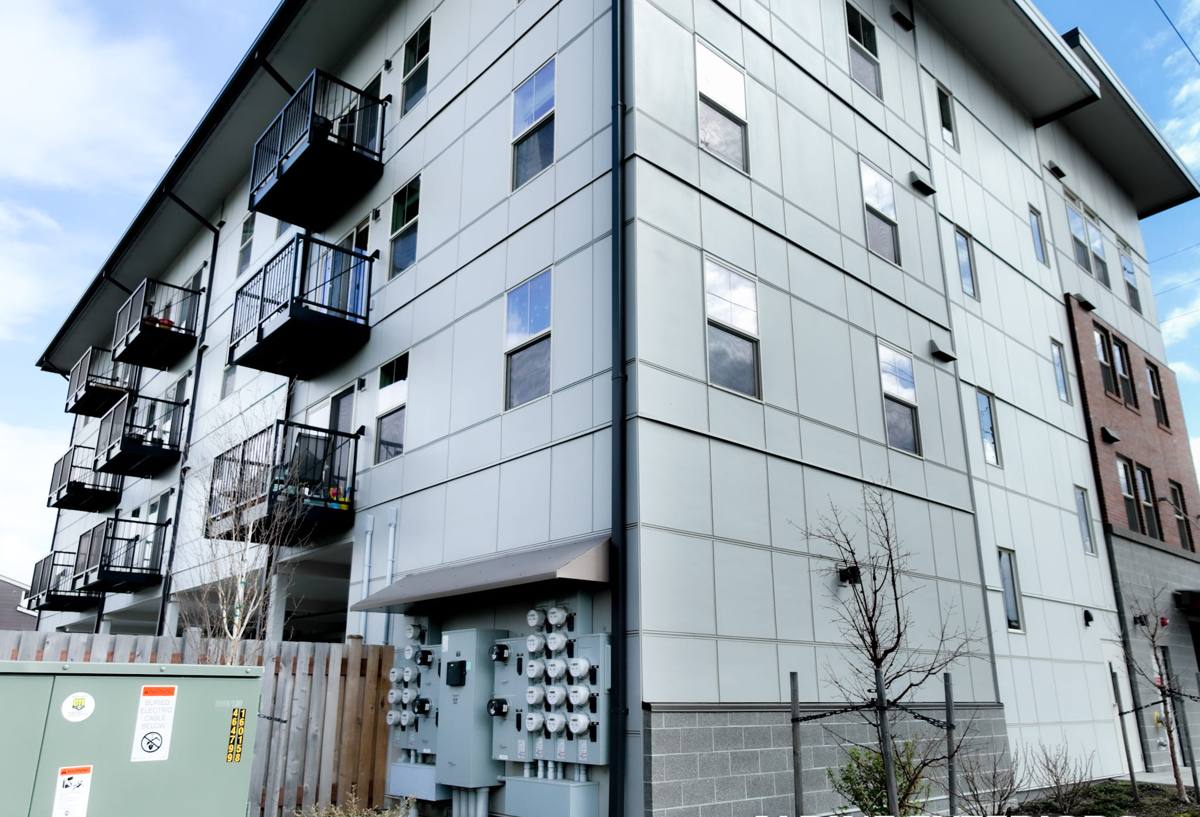
Why Windows Wear Out Faster Near the Water
Salt Air and Hardware Corrosion
Salt in the air settles on everything, including window hardware, screen frames, and exposed fasteners. Over years, that accelerates corrosion on lower-grade hardware and can pit or discolor finishes that would otherwise last decades. It's one reason we pay attention to hardware material and finish specs, not just the glass package, when we're speccing a replacement window for this area.
Driving Rain and Wind-Driven Water
Wind off the water doesn't let rain fall straight down — it pushes it sideways into siding and window openings. A window that would be fine under normal rainfall in a more sheltered part of Whatcom County can leak here if the flashing and sill pan weren't detailed for wind-driven water. This is almost always an installation issue, not a product defect, which is why we treat the flashing and sealing work as the most important part of the job, not an afterthought before trim goes back on.
Moss Season and Sustained Moisture
Western Washington's moss season stretches long, and in the Fairhaven area the combination of shade, humidity, and coastal damp keeps painted wood trim and old wood sills wet for extended periods. Sustained moisture, not a single storm, is what actually rots wood window components and framing over time. Replacement is often the right call specifically because it lets us get ahead of rot that's already started in the framing around an old window, rather than just addressing the sash.
Signs a Window Needs Replacing, Not Just Repair
Not every window issue means full replacement. Here's what we actually look for during an inspection to make that call:
- Soft or spongy wood at the sill, jamb, or trim when pressed
- Fogging or a permanent haze between double-pane glass (a sign the seal has failed)
- Windows that are difficult to open, close, or lock — often a sign the frame has shifted or swelled
- Visible daylight or a draft around the frame when the window is closed and locked
- Paint that keeps failing in the same spot no matter how often it's redone
- Condensation forming on the inside of the glass regularly, especially in cooler months
- Musty smell or discoloration on interior trim near the window
If you're seeing one or two of these, repair might still be an option. If you're seeing several at once, especially soft wood plus a failed seal, replacement is usually the more honest recommendation — patching around rot just delays a bigger repair later.
What a Correct Window Replacement Job Actually Involves
The window itself is only part of the job. Most of the long-term performance comes down to what happens at the opening before the new window ever goes in.
Removal and Opening Inspection
Once the old window is out, we inspect the framing, sill, and sheathing behind it. This is often the first real look anyone's had at that framing in years, and it's where hidden rot or old water damage shows up. Any compromised wood gets addressed before anything new goes back in — installing a new window over damaged framing just hides the problem.
Flashing and Sill Pan Detailing
Given how much wind-driven rain this area sees, we treat sill pan flashing and proper integration with the house wrap or building paper as non-negotiable. Water that gets past the window itself needs a clear path back out, not a place to pool against the sheathing.
Air Sealing and Insulation
The gap between the new window frame and the rough opening gets sealed and insulated properly — not just stuffed with fiberglass, which does little to stop air movement. This affects both comfort and how much moist air can work its way into the wall cavity.
Exterior Trim and Weatherproofing
Trim goes back on in a way that sheds water away from the window rather than channeling it toward the frame, and all exterior joints get sealed with a sealant rated for this climate's exposure, not just whatever's convenient.
Choosing a Window Type for a Fairhaven-Area Home
There's no single "best" window material — it depends on your home's exposure, style, and how much upkeep you want to take on. Here's how the common options stack up for a coastal Whatcom County property:
| Frame Material | Moisture & Salt-Air Resistance | Maintenance | Typical Fit |
|---|---|---|---|
| Vinyl | Good — won't rot or corrode; UV exposure can affect finish over decades | Low | Most homes prioritizing value and low upkeep |
| Fiberglass | Very good — dimensionally stable, holds up well to temperature and moisture swings | Low | Homes wanting a longer-term investment with minimal upkeep |
| Wood (clad exterior) | Depends heavily on cladding quality and installation; interior wood still needs protection | Moderate to high | Homes prioritizing a traditional wood interior look |
| Aluminum | Can corrode in salt air over time unless properly finished; conducts cold | Moderate | Less common recommendation for this specific coastal exposure |
For most Fairhaven-area homes we work on, vinyl or fiberglass framing tends to be the more practical call given the salt air and rain exposure — less because of any brand marketing and more because there's simply less material vulnerable to rot or corrosion for the home's outer defense to depend on. We'll walk through what makes sense for your specific home rather than pushing one option across the board.
Glass Packages Worth Considering Here
Double-pane, low-E glass with argon gas fill is the practical baseline for this climate — it manages both heat retention and condensation better than older single-pane or basic double-pane setups. Whether triple-pane makes sense depends on the specific exposure of the wall (north-facing and wind-exposed openings benefit more than sheltered south-facing ones) and your budget — it's a real upgrade in some cases, not a must-have in every case.
Our Window Replacement Process
- Free on-site assessment — we look at each window's condition, the framing behind it where accessible, and your home's specific exposure to wind and rain.
- Honest recommendation — repair versus replace, and which window type actually fits your home and budget, explained plainly.
- Clear written estimate — scope, materials, and price broken out so you know what you're paying for.
- Scheduled installation — removal, framing inspection and repair as needed, proper flashing and sealing, then trim and cleanup.
- Final walkthrough — we check operation, seals, and finish work with you before calling the job done.
What Affects the Cost of Window Replacement
| Factor | Why It Matters |
|---|---|
| Number and size of windows | Larger openings and more units increase material and labor cost directly |
| Frame material chosen | Vinyl, fiberglass, and clad-wood options carry different material costs |
| Condition of existing framing | Rot or water damage found during removal adds repair work before the new window goes in |
| Glass package | Standard low-E versus upgraded triple-pane or specialty coatings changes unit cost |
| Access and site conditions | Second-story windows or difficult access can add labor time |
| Trim and exterior finish work | Matching existing trim details or upgrading exterior finish adds scope |
We don't quote a job until we've actually looked at it — anyone who gives you a firm number over the phone for window replacement is guessing, and that guess tends to grow once work starts.
Why a Local Crew Matters for This Job
A crew that regularly works in and around Fairhaven and the broader Ferndale area already knows what wind-driven rain does to a poorly flashed window opening, because we've opened up enough of them to have seen it firsthand. That's different from a crew that mostly works drier, more sheltered inland jobs and treats every coastal install the same as an inland one. It also means we're not learning your neighborhood's exposure on your dime — we already understand which sides of a house in this area tend to take the worst of the weather, and we detail accordingly.
Being local also means we're accountable after the job is done. If something needs a look a year or two down the road, we're not a crew that packed up and left the county.
Keeping New Windows Performing Long-Term
A correctly installed window still benefits from basic upkeep, especially in this climate:
- Rinse salt residue off exterior frames and glass periodically, especially after storms
- Keep gutters and downspouts clear so water isn't running down over window openings
- Check exterior caulking and sealant yearly for cracking or separation
- Clear moss and organic debris away from window sills and trim during the wetter months
- Operate locks and hardware occasionally even on windows you rarely open, to keep mechanisms free
If you're weighing window replacement for a home in the Fairhaven area, we're happy to take a look and give you a straight assessment — no pressure, no inflated urgency, just what we'd actually recommend for your house and this climate. Reach out for a free estimate using the form below.