 Ferndale Siding
 Deck Repair for Everson Homes, Rooted in Ferndale
Everson sits inland along the Nooksack River, but it doesn't escape what the rest of Whatcom County deals with every year. Marine air off the Salish Sea pushes inland through the valley, and combined with our long wet season, it settles into wood decks in ways that aren't always obvious until a board gives way underfoot. We're based just down the road in Ferndale, and Everson is part of our regular service area — not a stretch job we drive out for once and never see again.
A deck in this part of Washington doesn't fail because the homeowner did anything wrong. It fails because untreated or aging wood, driving rain, and months of shade-grown moss are a tough combination for any structure to fight off indefinitely. The good news is that most decks we look at in Everson don't need to be torn out and replaced. They need targeted repair — done correctly, with the right materials for our climate, not a quick patch that fails again in two winters.
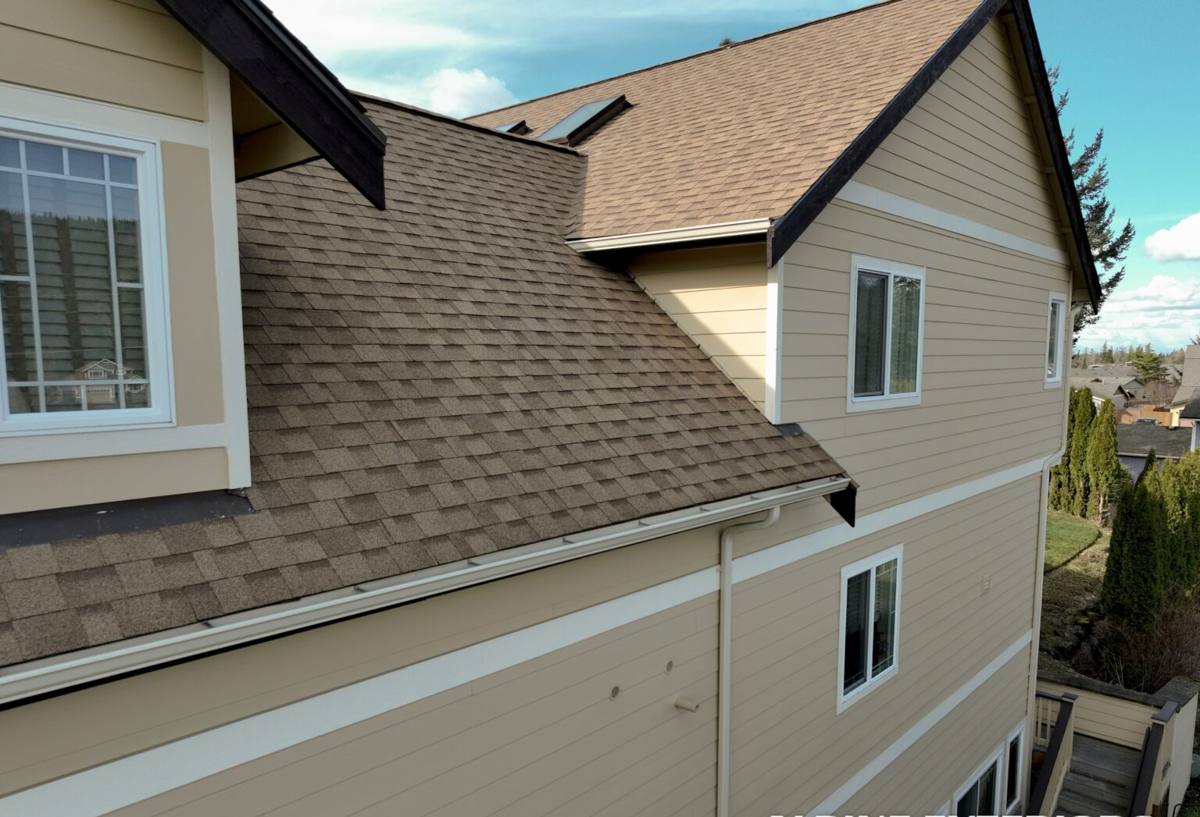
How Whatcom County Weather Wears Down a Deck
Moss and Trapped Moisture
Moss doesn't just look bad on a deck surface — it holds moisture directly against the wood for weeks at a time, especially on boards that sit in shade from trees or the house itself. That constant dampness is what starts rot, and it usually starts from the top of a board down, or from the underside where nobody's looking until it's advanced.
Driving Rain and Standing Water
Our rain doesn't fall straight down most of the year — it comes in sideways, which means it finds its way into joints, fastener holes, and the gap where a deck ledger board meets the house. Water that can't drain or dry out is the single biggest driver of structural deck damage we see, more than age alone.
Freeze-Thaw Cycles
Whatcom County doesn't get brutal winters, but we get enough freeze-thaw swings that water trapped in a crack or a fastener hole can expand, split the wood further, and open the door to more water next time it rains. It's a slow cycle, but it compounds year over year.
Signs Your Everson Deck Needs Attention
Most deck problems give warning signs well before anything becomes a safety issue. Worth checking for before winter sets in again:
- Soft, spongy, or springy spots when you walk across the deck surface
- Boards that have visibly cupped, split, or pulled away from their fasteners
- Rust streaks or corroded fastener heads on older decks
- Gaps or dark staining where the deck ledger meets the house siding
- Wobble or movement in railings or stair stringers when you put weight on them
- Persistent moss or algae growth that returns within weeks of cleaning
- Visible daylight or gaps between joists and support posts underneath the deck
Any one of these on its own might be minor. Several together, especially near the ledger board or support posts, usually means the damage has moved past the surface.
What a Correct Deck Repair Actually Involves
Structural Repairs — Joists, Beams, Posts, and Footings
This is the part of a deck nobody sees, and it's also the part that determines whether the deck is actually safe. Rotted joists get sistered or replaced, not just covered up. Posts that have wicked up moisture from ground contact get evaluated for footing condition, not just patched at the surface. We check hardware — joist hangers, post bases, structural screws — because corroded or undersized hardware is a common weak point on older decks that were built before current fastening standards were common practice.
Ledger Board and Flashing
The ledger board — where the deck attaches to the house — is the single most important connection on the whole structure, and it's also where we most often find hidden rot in this climate. Correct repair means checking that flashing is actually diverting water away from the house framing, not just present. A ledger board that looks fine from below can be failing behind the flashing where you'd never see it without pulling boards.
Decking Boards and Fasteners
Individual board replacement is often the most visible repair, but it only solves the problem long-term if the boards underneath — the joists — are sound first. We also replace fasteners with corrosion-resistant hardware rated for treated lumber contact, since mismatched fasteners are a common cause of premature failure on decks that otherwise look fine.
Railings and Stairs
Railing posts take a lot of lateral stress, and stair stringers carry direct foot traffic in wet, sometimes icy conditions. Both get checked for post attachment strength and rot at ground contact points, since these are code-relevant safety items, not just cosmetic ones.
Repair or Replace? How We Help You Decide
Not every deck problem calls for the same fix, and we'd rather tell you honestly what your deck actually needs than upsell a full rebuild you don't need yet — or patch something that's genuinely past repair.
| Condition | Usually Repairable | Usually Needs Replacement |
|---|---|---|
| Surface | A few soft or damaged boards, isolated staining | Widespread cupping, splitting, or soft spots across most of the deck |
| Structure | One or two compromised joists, isolated hardware corrosion | Multiple joists, beams, or posts affected; footing movement |
| Ledger board | Localized flashing failure with sound wood beneath | Rot extending into the house rim joist or framing |
| Age & history | Deck under roughly 15-20 years old, built to a reasonable standard | Very old deck, undersized framing, or history of repeated repairs |
These are general guidelines, not hard rules — the only way to know for sure is a hands-on inspection, since two decks that look similar from the yard can be in very different condition underneath.
Our Deck Repair Process
- Inspection. We walk the deck surface, check underneath, and test structural connections at the ledger, posts, and railings before writing up any recommendation.
- Honest diagnosis. We tell you what's actually damaged, what's still sound, and what your realistic repair options are — including if a full replacement is genuinely the better value.
- Written scope and estimate. No guesswork on what's included. You know what's being repaired before we start.
- Repair work. Structural fixes first, then decking, railings, and stairs, using fasteners and materials matched to what's already there or upgraded where it makes sense.
- Final check. We confirm the deck is solid underfoot, connections are tight, and drainage or flashing issues that caused the original damage have actually been addressed — not just covered.
Materials and Fasteners We Rely On
Material choice matters more in a climate like ours than in drier parts of the country, because the difference between a repair that lasts and one that doesn't often comes down to how the material handles sustained moisture, not just how it looks on day one.
| Material | Moisture Behavior | Maintenance |
|---|---|---|
| Pressure-treated lumber | Good rot resistance when properly sealed and maintained; vulnerable at cut ends and fastener points if left unsealed | Needs re-sealing every few years in our climate |
| Cedar | Naturally moisture-resistant, ages well, but softer and more prone to surface wear over time | Periodic cleaning and finish to prevent graying and moss buildup |
| Composite decking | Very stable in wet conditions, resists rot by design | Low maintenance, though still needs regular cleaning to prevent moss and algae film |
For structural framing specifically, we stick to code-rated treated lumber and corrosion-resistant fasteners regardless of what decking material sits on top — that part of the deck isn't the place to cut corners, since it's what everything else depends on.
Why Hiring a Crew That Already Works Everson Matters
We're not guessing at what Whatcom County weather does to a deck over a decade — we see it repeatedly, on homes with similar exposure to the same rain patterns, tree cover, and seasonal moss that Everson gets. That means we know what to check first, where hidden rot tends to hide on a deck of a given age, and what actually holds up here versus what looks fine on a spec sheet but underperforms once it's been through a few wet Whatcom County winters.
Being based in Ferndale also means we're not a crew passing through the area once. If a repair needs a follow-up check after the next storm season, or you have a question six months later, you're calling a local number, not chasing down a contractor who worked the region for one season and moved on.
After the Repair: Keeping Your Deck Ready for the Next Wet Season
A good repair buys you years, but a little seasonal upkeep buys you more. A few habits make the biggest difference in our climate specifically:
- Sweep off leaves and debris regularly in fall — trapped organic matter is what feeds moss growth
- Clean visible moss and algae before it spreads, rather than waiting for a full seasonal cleaning
- Check that gaps between boards stay clear so water can actually drain through
- Re-seal or re-stain wood decking on the schedule your finish product recommends, not just when it looks faded
- Walk the deck periodically and note any new soft spots, squeaks, or movement early
- Keep gutters and downspouts near the deck clear so runoff isn't dumping directly onto or under it
If you're noticing any of the warning signs above, or it's just been a while since anyone looked at the structure underneath, we're glad to come take a look. The estimate is free, there's no pressure, and you'll get a straight answer about what your deck actually needs — use the form below to get started.