 Ferndale Siding
 Building Decks That Hold Up in Sudden Valley
Sudden Valley homes sit close to Lake Whatcom, tucked into tree cover and shoreline air that's very different from a typical in-town Ferndale lot. A deck out here earns its keep or it doesn't — and in this part of Whatcom County, the ones that don't usually fail the same way: trapped moisture under the boards, algae and moss building up faster than anyone expects, and fasteners or ledger connections that were never detailed for a site this damp. We build decks for this specific environment, not a generic deck for a generic yard.
Whether you're planning a new deck off the back of the house, replacing a tired structure that's showing rot at the ledger, or adding covered outdoor space that actually gets used ten months a year instead of four, the build has to start with what the site is doing to the wood and hardware, not just what the deck looks like on day one.
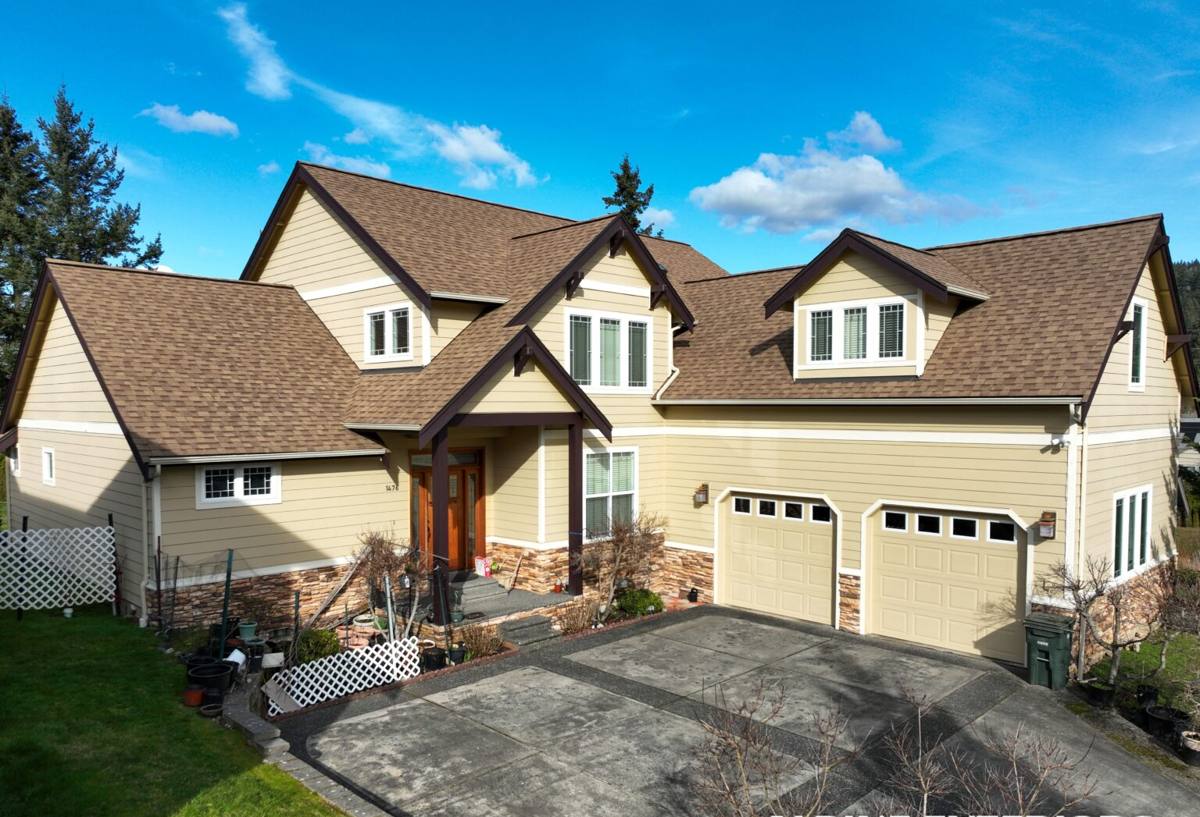
What the Sudden Valley Climate Does to a Deck
The combination of lake-effect humidity, tree canopy, and the broader marine air pulled in off Bellingham Bay creates conditions that are tough on exterior wood structures. A few things we see consistently on decks in this area:
- Moss and algae growth on shaded boards and joists, especially on the north or east side of a house or under heavy tree cover — Whatcom County's moss season runs long, often eight months or more
- Slow-drying substructure where joists and beams stay damp for days after rain because airflow underneath is blocked by skirting, low clearance, or dense landscaping
- Salt-influenced corrosion on fasteners and metal connectors closer to the water, which accelerates rust on anything not rated for coastal exposure
- Ledger board rot where the deck attaches to the house, if flashing wasn't detailed correctly when the structure was originally built
- Driving rain intrusion at railing posts and stair stringers where end grain is exposed and untreated
None of this is unusual for the area — it's just what a deck has to be built to handle if it's going to look and perform well ten or fifteen years from now instead of needing major repair in five.
Why "Standard" Deck Building Falls Short Here
A lot of deck problems we get called out to inspect aren't framing failures — they're moisture-management failures. Boards were run tight with no drainage gap, joists weren't flashed with joist tape, or the structure was built low to the ground without enough clearance for air to move. In a drier climate those shortcuts might not show up for a decade. In Sudden Valley's conditions, they show up in three or four years as soft spots, black staining, and squeaking connections.
What a Correctly Built Deck Includes
Every deck we build for this area is engineered around moisture control first, appearance second — because a deck that's dry underneath will always look better longer than one that's fighting rot.
Structure and Framing
- Pressure-treated framing rated for ground contact where applicable, with all field cuts re-treated
- Joist tape or flashing membrane on top of every joist to keep fasteners out of standing moisture
- Proper ledger flashing where the deck ties into the house — this is the single most common point of hidden rot on older decks in the area
- Adequate under-deck clearance and, where the site allows it, ventilation gaps in skirting so air can actually move through
- Corrosion-resistant, coastal-rated fasteners and structural hardware — not standard interior-grade connectors
Decking Material
Material choice matters more here than in a drier part of the state. We'll walk through the honest trade-offs for your budget and how much sun or shade the deck actually gets:
| Material | How it handles this climate | Maintenance reality |
|---|---|---|
| Composite decking | Resists moss staining and moisture absorption well; consistent performance in shaded, damp spots | Periodic cleaning to keep pollen/algae film off; no sanding or refinishing |
| Cedar | Naturally rot-resistant and handles our climate reasonably well when detailed correctly | Needs regular sealing/staining, especially on shaded sections, to keep moss from taking hold |
| Pressure-treated fir/hem-fir | Budget-friendly, solid structurally, but more prone to surface moss and graying in shade | Regular cleaning and refinishing needed to keep ahead of moss and checking |
| Tropical hardwoods (ipe, etc.) | Very dense and moisture-resistant, performs well long-term | Higher upfront cost; still benefits from periodic oiling for appearance |
There isn't a single "right" material for every Sudden Valley lot — a deck in full sun near the water behaves differently than one tucked under fir and cedar trees. We size that up on-site before recommending anything.
Railings, Stairs, and Connection Points
Railings and stair stringers take the most direct weather exposure on any deck, and they're usually the first thing to show wear. We pay particular attention to:
- End-grain sealing on every post and stringer cut, since exposed end grain absorbs water fastest
- Post base connections that keep wood off standing water, with proper standoff hardware rather than posts set directly against a wet surface
- Baluster spacing and railing height built to current code, not whatever was standard when an older deck was originally built
- Stair stringer support sized for our snow-load and rain-load reality, not the bare minimum
Our Process for Sudden Valley Deck Projects
1. On-Site Assessment
We walk the site to see how much sun, shade, and moisture exposure the deck location actually gets, check drainage and grading, and — for a replacement — inspect the existing structure for hidden rot at the ledger and posts before we quote anything.
2. Design and Material Selection
We talk through decking material, railing style, and layout based on how you'll actually use the space, then give you a straightforward, itemized quote. No pressure to upgrade to the most expensive material if a mid-range option is the honest right fit for your site and budget.
3. Permitting
Most new decks and many replacement decks in Whatcom County require a building permit, particularly for structures over a certain height or attached to the house. We handle that process so you're not the one tracking down inspections.
4. Build
Framing first, with every moisture-management detail built in as we go — not added as an afterthought. Decking, railing, and stairs go on last, and we walk you through the finished structure before we consider the job done.
5. Care Guidance
We'll tell you honestly what your specific material and site will need going forward — how often to clean it, whether it needs seasonal sealing, and what early signs of moss buildup or moisture trouble to watch for.
Why a Crew That Knows Sudden Valley Matters
A deck built from a plan that ignores the site is a deck that's already behind before the first board goes down. We've worked enough properties around the Lake Whatcom area and greater Whatcom County to know which sides of a house hold moss the longest, which lots need more aggressive under-deck ventilation, and where salt-influenced air justifies spending more on hardware even if it's not strictly required by code. That's the kind of judgment that only comes from building in this specific climate repeatedly, not from a general deck-building checklist.
It also means we're not guessing at permitting requirements or inspection expectations for the county — we know the process because we've been through it on other local jobs.
Maintaining Your New Deck
Even a correctly built deck needs some ongoing attention in this climate. A simple seasonal checklist keeps most decks looking good and structurally sound for the long haul:
- Sweep off leaves, needles, and debris regularly, especially in fall — trapped organic material holds moisture and feeds moss
- Rinse or lightly scrub shaded areas where moss and algae tend to establish first
- Check railing post bases and stair stringers annually for soft spots or discoloration
- Reseal or restain wood decking on the manufacturer's recommended schedule — don't wait until it's visibly gray and dry
- Keep gutters and downspouts clear so roof runoff isn't dumping extra water onto or under the deck
- Trim back overhanging branches to improve airflow and sun exposure where possible
Let's Talk About Your Deck
If you're planning a new deck or need an honest look at a tired one, we're happy to come out, walk the site, and give you a straightforward assessment — no pressure, no upsell. Fill out the form below for a free estimate on your Sudden Valley deck project.