 Ferndale Siding
 Roof Replacement in Blaine: Why This Coastline Is Harder on Roofs Than Most
Blaine sits right where saltwater, wind, and rain all meet at once. Homes near Semiahmoo Bay and Drayton Harbor take on salt-laden air that most inland Whatcom County roofs never see, and the region's long, wet winters keep roof surfaces damp for weeks at a stretch. Add in the tree cover that shades so many Blaine lots, and you get near-perfect conditions for moss, algae streaking, and the slow granule loss that shortens a shingle roof's life. A roof that would last two decades in a drier climate can start showing real trouble in twelve to fifteen years here if it wasn't installed with this specific climate in mind.
Replacing a roof in Blaine isn't just about swapping old shingles for new ones. It's about building an assembly — decking, underlayment, flashing, ventilation, and the roofing material itself — that's matched to salt exposure, driving rain, and a moss season that can run from fall through spring. Get that wrong and you're looking at premature failure, hidden rot, or a warranty that doesn't actually protect you when something goes wrong.
What Blaine's Climate Actually Does to a Roof
Salt Air and Corrosion
Homes closer to the water deal with airborne salt that accelerates corrosion on exposed metal — nails, flashing, vent caps, and gutter hardware. Standard electro-galvanized fasteners can start rusting years before they should in this environment. It's a slow problem, which is exactly why it gets missed: by the time rust stains show up on a roof surface, the fastener underneath has often been compromised for a while.
Driving Rain
Storms coming off the Strait of Georgia don't just fall straight down — wind pushes rain sideways and up under laps, ridge caps, and flashing details that would stay dry in a calmer climate. This is why underlayment choice and flashing technique matter more here than in places with gentler weather. A roof that only relies on the shingles themselves to shed water, without a properly layered underlayment system, is vulnerable in exactly the storms Blaine gets most.
Moss and Organic Growth
North-facing slopes, shaded valleys, and roofs under tree cover stay damp long enough for moss spores to take hold and spread. Moss doesn't just look bad — it holds moisture against the roof surface, lifts shingle edges as it grows, and works its way into seams over time. A roof replacement that doesn't account for airflow and drainage in shaded areas is setting up the same moss problem to come right back.
Signs a Blaine Roof Needs Replacement, Not Another Repair
- Granules collecting in gutters or at downspout outlets, especially after a windy rain
- Shingles that are curling, cracking, or visibly thinning in sunlight
- Moss buildup that comes back within a season or two of cleaning
- Dark streaking across large sections of the roof from algae growth
- Soft spots in the decking felt when walking the roof, or sagging visible from the ground
- Daylight visible through the attic roof boards, or damp insulation below the roof deck
- Flashing around chimneys, vents, or skylights that's rusted, lifted, or separating from the surface
- A roof approaching 18-20 years old with no major upgrades to ventilation or underlayment
Any one of these on its own might be a repair. Several together, especially on an older roof, usually mean the underlying materials are past the point where patching makes sense.
What a Correct Roof Replacement Involves Here
Full Tear-Off, Not Overlay
Layering new shingles over old ones is sometimes allowed by code, but it's a poor fit for this climate. It traps moisture between layers, hides decking damage, and prevents proper flashing at penetrations. A correct replacement in Blaine starts with a full tear-off so the decking underneath can actually be inspected and repaired where needed.
Decking Inspection and Repair
Once the old roof is off, the decking gets checked for rot, delamination, or soft spots — problems that are common under roofs that have dealt with years of driving rain and moss retention. Any compromised sections get replaced before anything new goes down. Skipping this step is one of the most common ways a "new roof" fails early.
Underlayment Built for Wind-Driven Rain
Given how often storms push rain sideways here, we use synthetic underlayment across the full roof and self-adhering ice-and-water barrier at the vulnerable spots — eaves, valleys, and around every penetration. This layer is what actually keeps water out when wind gets under the shingle laps, and it's the piece that separates a roof built for this coastline from one that just meets minimum code.
Flashing Done Right
Chimneys, skylights, vent pipes, and wall-to-roof transitions are where most leaks start, not in the open field of shingles. We use corrosion-resistant flashing material given the salt exposure near the water, and every flashing detail gets properly stepped and sealed rather than just caulked over.
Ventilation That Fights Moisture and Moss
A roof deck that can breathe stays drier, which means less moss growth and a longer shingle life. We check intake at the soffits and exhaust at the ridge and correct any imbalance during the replacement — this is often the single biggest factor in how fast moss comes back on a shaded roof.
Material Choices for Blaine's Climate
There's no single "best" roofing material for every home — it depends on budget, roof pitch, sun and shade exposure, and how long you plan to own the home. Here's how the common options actually compare for this specific climate:
| Material | Salt Air Performance | Moss Resistance | Typical Lifespan Here |
|---|---|---|---|
| Standard asphalt composition shingle | Good with corrosion-resistant fasteners | Moderate — needs periodic cleaning | 18-25 years |
| Algae-resistant (copper-infused granule) shingle | Good with corrosion-resistant fasteners | Better — granules resist algae/moss staining longer | 20-30 years |
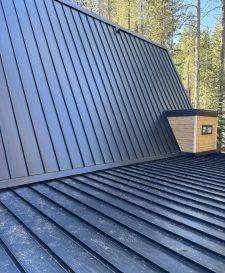
| Standing-seam metal roofing | Very good with marine-grade coatings and fasteners | Very good — smooth surface sheds moisture, little for moss to grip | 40-60 years |
| Wood shake | Poor — high maintenance in damp, salty air | Poor without frequent treatment | 15-20 years with heavy upkeep |
Standard asphalt shingles remain the most common and most budget-friendly choice for Blaine homes, and algae-resistant versions are a worthwhile upgrade for a modest cost difference given how much moss pressure this area sees. Metal is a strong long-term option for homeowners planning to stay put, particularly on homes closer to the water where salt exposure is highest. We're honest with clients that wood shake, while attractive, carries a maintenance burden in this climate that most homeowners underestimate — it's not that the material is bad, it's that it demands upkeep this environment doesn't forgive.
Cost Factors for a Blaine Roof Replacement
Every roof is priced individually, but the same handful of factors drive most of the difference between bids:
| Factor | Why It Matters Here |
|---|---|
| Roof size and pitch | Steeper pitches near the water often need additional fall protection and take longer to safely work |
| Decking condition | Rot from long-term moss or leak damage means added repair before new roofing goes on |
| Material selection | Standard shingle vs. algae-resistant vs. metal carries a real cost spread, offset by lifespan and maintenance differences |
| Flashing and penetrations | Chimneys, skylights, and multiple roof valleys add labor and material for proper waterproofing |
| Ventilation upgrades | Correcting inadequate soffit or ridge venting adds cost but reduces moss return and moisture damage |
| Access and site conditions | Tree cover, tight lots, or difficult staging near the water can affect labor time |
How Our Process Works
- On-site inspection. We walk the roof and attic, check decking condition, flashing, ventilation, and moss patterns before quoting anything.
- Written estimate. You get a clear scope and price broken down by material and labor, with material options explained honestly — no pressure toward the most expensive option.
- Scheduling and permitting. We handle the local permit process and schedule around weather windows, which matters more here than in drier climates.
- Full tear-off. Old roofing comes off completely so decking can be properly inspected and repaired.
- Installation. Underlayment, flashing, ventilation corrections, and the new roofing material go in, in that order, with attention to every detail that driving rain and salt air will test.
- Cleanup and final walkthrough. Job site is cleared of debris and nails, and we walk the finished roof with you before calling it done.
- Warranty documentation. You get manufacturer warranty registration and our workmanship warranty in writing.
Moss and Long-Term Maintenance After Replacement
A properly installed roof with good ventilation will resist moss far better than the one it replaced, but no roof in this climate is entirely maintenance-free. Keeping gutters clear so water isn't backing up under the eaves, trimming back overhanging branches to reduce shade and debris, and having the roof looked at every couple of years will keep small issues from becoming replacement-sized problems again. If moss does start returning on a shaded section, it's worth addressing early with gentle, roof-safe methods rather than pressure washing, which can strip granules and shorten shingle life.
Why Hiring a Crew That Already Works Blaine Matters
Roofing crews who mostly work drier, inland areas don't always account for how much wind-driven rain and salt exposure change the details — fastener choice, flashing material, underlayment coverage, and ventilation balance. A crew that regularly works Blaine and the surrounding Whatcom County coastline knows which roof details cause callbacks in this specific environment and builds around them from the start. We're also familiar with local permitting requirements and the kind of weather windows that make scheduling a tear-off here different from scheduling one somewhere with more predictable summers.
If your roof is showing its age, or you just want an honest read on how much life it has left, we're happy to take a look. A free, no-pressure estimate is a good way to find out where you actually stand — use the form below to get started.