 Ferndale Siding
 Custom Decks Built for Kendall's Climate
A deck in Kendall sits outside year-round, and this part of Whatcom County doesn't go easy on anything left exposed to the weather. Salt-tinged air off the water works on fasteners, hardware, and hidden metal connectors faster than most homeowners expect. Driving rain doesn't just fall straight down — it gets pushed sideways under railings and against the house wall where a deck ties in, which is exactly where a poorly built deck starts to fail first. And a long, damp moss season settles into shaded decking boards and stairs and stays there for months, turning a walking surface slick and, eventually, soft underfoot. A custom deck can absolutely hold up for decades here, but only if it's built for these specific conditions rather than assembled the same way you'd build one in a dry inland climate.
This page covers what a correct custom deck build looks like for a Kendall home specifically — the structural details that matter most in this climate, the material choices worth understanding, and how our process works from the first look at your property to a finished deck you can actually trust.
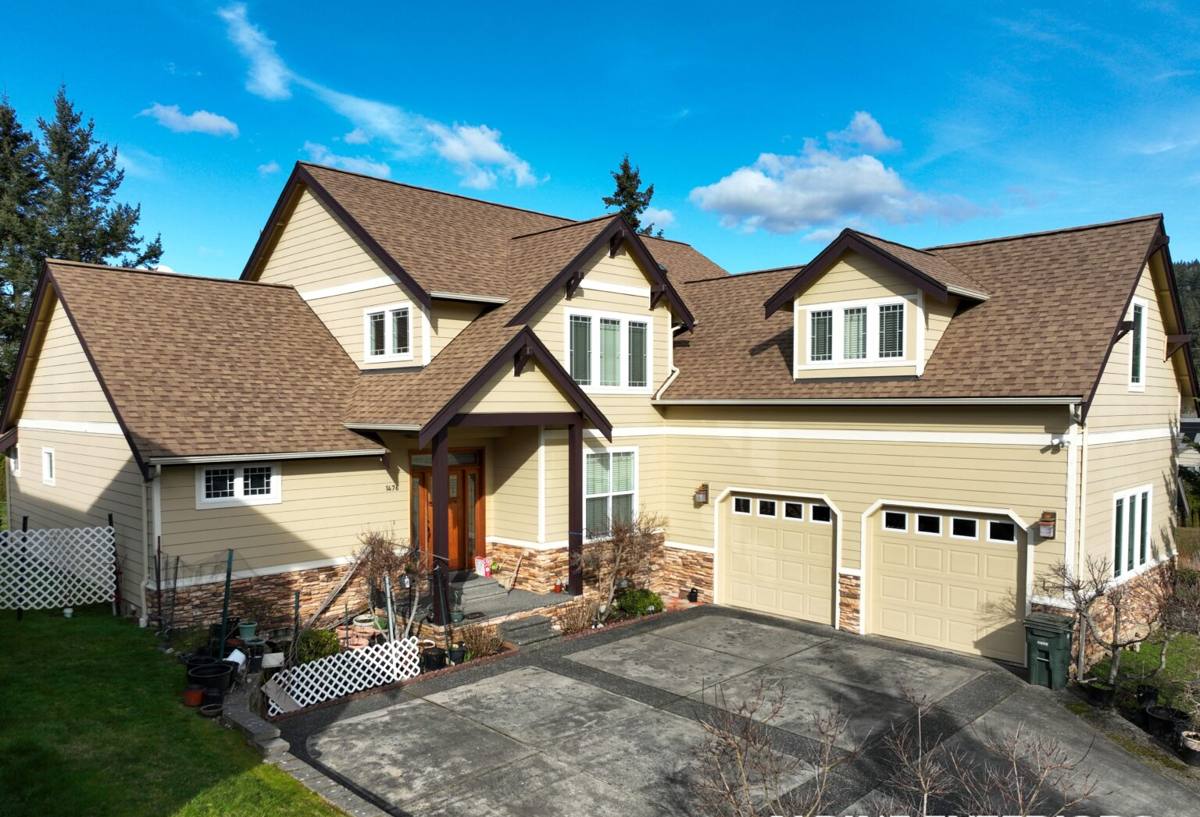
What Local Weather Actually Demands From a Deck
Most deck problems we get called out to fix in this area trace back to the same handful of decisions made at the time of construction. Building it right the first time costs less than repairing it later, and it starts with understanding what the local climate is actually doing to the structure.
- Corrosion-resistant fasteners and connectors: Salt-laden air accelerates rust on standard-grade screws, joist hangers, and bolts, which is often where a structural failure starts years down the road, out of sight under the decking boards.
- Properly flashed ledger connections: The ledger board — where the deck attaches to the house — is the single most common source of hidden rot on an attached deck when water is allowed to track behind it instead of being shed away.
- Drainage-conscious framing: Standing water under and around a deck, especially on lots with heavier clay soil or limited slope, keeps framing members wet longer than they should be between rain events.
- Moss- and slip-resistant decking choices: Shaded decks and north-facing stairs hold moisture long enough to grow moss within a season or two if the surface and gaps aren't built to shed water and dry out.
What a Correct Deck Build Involves
A deck is a structure first and a finished surface second. Getting the structure right is what determines whether it's still solid in fifteen years, long after the decking boards on top of it have been replaced once or twice.
Ledger Board Flashing and House Connection
For any deck attached to the house, the ledger board connection needs proper flashing — typically a metal flashing cap integrated with the house's water-resistive barrier, not just caulk smeared over a lag bolt pattern. Done wrong, this is the number one point where water gets behind siding and into wall framing, and it's often invisible from the deck side until the damage has been developing for years. Done right, it's one of the more time-consuming parts of a deck build and one we don't shortcut regardless of how it affects the schedule.
Footings and Framing
Footings need to be sized correctly for the load they're carrying and set below the required frost depth on undisturbed soil, not on fill or loose backfill that can settle unevenly over time. Beam and joist sizing should follow span tables for the actual species and grade of lumber used, not a rule of thumb from a different deck on a different lot. On sloped or uneven Kendall properties, footing depth and post height often vary across a single deck, which takes more layout care than a flat, simple lot.
Fasteners, Hangers, and Hardware
Every joist hanger, structural screw, and bolt should be rated for the lumber it's fastening — stainless steel or heavy hot-dip galvanized hardware where treated lumber and coastal air both accelerate corrosion on lesser-grade fasteners. This is a small line item on a bid and an easy place for a rushed job to cut corners, but it's directly tied to how long the structure holds together underneath a deck that still looks fine on the surface.
Drainage and Ventilation Underneath
Airflow and drainage under a deck matter more here than in a drier climate. Framing that sits low to the ground, or over soil that doesn't shed water, stays damp for days after a storm and never fully dries out between the next one. Grading the ground under the deck, keeping framing height reasonable, and avoiding enclosed skirting that traps moisture all extend the life of the structure underneath.
Choosing a Decking Material for This Climate
The decking boards on top get all the attention, but they're also the part homeowners have the most say over. Each material handles Kendall's rain and moss season differently, and the right choice depends on budget, how much maintenance you're willing to keep up with, and how the deck is oriented — full sun, deep shade, or somewhere in between.
| Material | Upfront Cost | How It Handles This Climate |
|---|---|---|
| Pressure-treated lumber | Lowest | Affordable and strong, but needs regular sealing or staining to resist moisture and moss; ground-contact-rated lumber is required for any framing near or touching soil |
| Cedar | Moderate | Naturally moisture- and insect-resistant compared to other softwoods and ages to an attractive gray, but still needs periodic cleaning and sealing to resist moss and graying unevenly in shaded areas |
| Capped composite | Moderate to higher | No sealing or staining required; a plastic cap resists moisture absorption and moss gets a much harder time gripping the surface, though it can still need periodic cleaning in heavy shade |
| PVC decking | Highest | Fully synthetic and effectively immune to rot and moisture absorption; performs well in wet, shaded conditions but carries the highest material cost of the group |
For a lot of Kendall homes, especially decks with any meaningful shade from trees or the house itself, capped composite strikes a practical balance — the moisture and moss resistance matters more here than it would on a sunny, well-drained lot, and it removes the yearly sealing task that pressure-treated and cedar both require to look and perform their best. That said, plenty of homeowners still prefer the look and feel of real wood and are willing to keep up with the maintenance it needs in this climate — there's no wrong answer as long as you understand which maintenance commitment you're signing up for.
Railings, Stairs, and Code Requirements
Guardrails, stair railings, and baluster spacing aren't optional finishing touches — they're governed by building code, and getting them wrong is one of the more common reasons a deck fails inspection or has to be reworked after the fact. Most new deck construction in unincorporated Whatcom County requires a building permit, particularly for anything attached to the house or elevated a meaningful height above grade, and permitted work means inspections at the framing stage and again at completion. A contractor who treats permitting as optional, or suggests skipping it to save time, is asking you to take on liability that should sit with the builder, not the homeowner.
Stairs on Sloped Ground
Kendall's mix of flatter lots and sloped, wooded properties means stair layout sometimes takes more planning than a simple deck-to-grade drop. Rise and run consistency, landing requirements, and stringer support all need to account for the actual grade of the ground, not an assumption based on a flat-lot design.
How Our Process Works
We keep the process straightforward because a deck is a real investment and homeowners deserve to know what's happening at each stage.
- On-site consultation: We look at your property in person — grade, sun and shade exposure, how the deck will attach to the house, and how you actually plan to use the space.
- Design and material selection: We walk through layout, railing style, and decking material options with honest trade-offs for maintenance and long-term performance in this climate, not just upfront price.
- Written estimate and permitting: You get a clear, itemized bid, and we handle the permit application and inspection scheduling as part of the job.
- Footings and framing: Footings are set below frost depth on solid ground, and the structure is framed with corrosion-resistant hardware sized to the actual load and span.
- Ledger flashing and structural connection: Where a deck attaches to the house, the ledger is properly flashed and tied in before anything else proceeds.
- Decking, railing, and stairs: Your chosen material goes down with attention to gapping and drainage, and railings and stairs are built to code and to the site's actual grade.
- Final walkthrough and inspection sign-off: We review the finished deck with you and confirm final inspection approval before calling the job done.
Common Problems We Fix or Prevent
A fair share of our deck work in this area is repairing or rebuilding decks that were built without this climate in mind. The patterns repeat often enough to be worth calling out.
- Rotted ledger boards from missing or improperly lapped flashing at the house connection
- Rusted or failing joist hangers and fasteners from standard-grade hardware used in a salt-air environment
- Undersized or settling footings on sloped or poorly compacted soil
- Slick, moss-covered decking on shaded surfaces built with tight board spacing that doesn't let water and debris drain through
- Railings and guardrails that don't meet code spacing or height requirements, often on older or owner-built decks
Maintaining a Deck Through a Kendall Winter
Whatever material you choose, a little seasonal attention goes a long way toward getting the full lifespan out of a deck in this climate.
- Clear leaves and debris from between boards and off stair treads before the wet season settles in, since trapped organic matter is what feeds moss growth
- Keep gutters and downspouts near the deck clear so runoff isn't dumping extra water directly onto or under the structure
- Check and re-seal pressure-treated or cedar decking on a regular schedule rather than waiting until it visibly grays or cups
- Inspect the ledger flashing and any visible fasteners for corrosion or gaps at least once a year
- Sweep off standing moss and algae with a stiff brush or low-pressure wash rather than letting it build up into a slip hazard
Why Hiring a Crew That Already Works in Kendall Matters
A crew that regularly builds decks in and around Kendall has already seen how salt air corrodes underspecified hardware, how driving rain finds its way behind a poorly flashed ledger, and which deck orientations hold moss longest through the wet season. That knowledge shows up in the framing and flashing decisions made before a single decking board goes down — decisions a crew unfamiliar with this specific climate might not think to make at all.
It also matters after the job is finished. A workmanship warranty is only as good as the company standing behind it, and a contractor with an established, ongoing local presence is one you can actually reach a few years later if a question comes up.
A Practical Checklist Before You Choose a Deck Builder
- Do they pull a building permit and schedule the required inspections, rather than suggesting you skip it?
- Does the estimate specify footing depth, framing lumber grade, and hardware type — not just "build a deck"?
- Is ledger flashing explicitly addressed for any deck attaching to the house?
- Do they carry current WA contractor licensing, liability insurance, and workers' compensation?
- Can they point to recent, real local deck work in or near Kendall?
- Does the bid separate material warranty coverage from their own workmanship warranty on the structure?
If you're thinking about a new custom deck or need an honest look at one that's showing its age, we're glad to come take a look at your Kendall property and walk through what a correct build or repair actually involves. Use the form below to request a free, no-pressure estimate.