 Ferndale Siding
 Windows Built for the Cordata Climate
Cordata sits close enough to the water and to the open farmland north of Bellingham that homes here take a specific kind of weather beating. It's not one big storm that wears out a window — it's the everyday combination of salt-tinged air drifting in off the Strait, driving rain that comes in sideways for days at a stretch, and a moss season that seems to stretch longer every year. Add in the temperature swings between a damp Whatcom County winter and a warm, dry summer, and you've got conditions that push old or poorly installed windows past their limits faster than most homeowners expect.
Energy-efficient windows aren't just about a lower power bill, though that's real. In this part of Ferndale, the bigger issue is usually moisture management, air sealing, and glass performance working together so the window actually does its job through a full Pacific Northwest year. A window that looks fine but was flashed wrong or sealed with the wrong materials will quietly let water and cold air in for years before anyone notices the damage behind the wall.
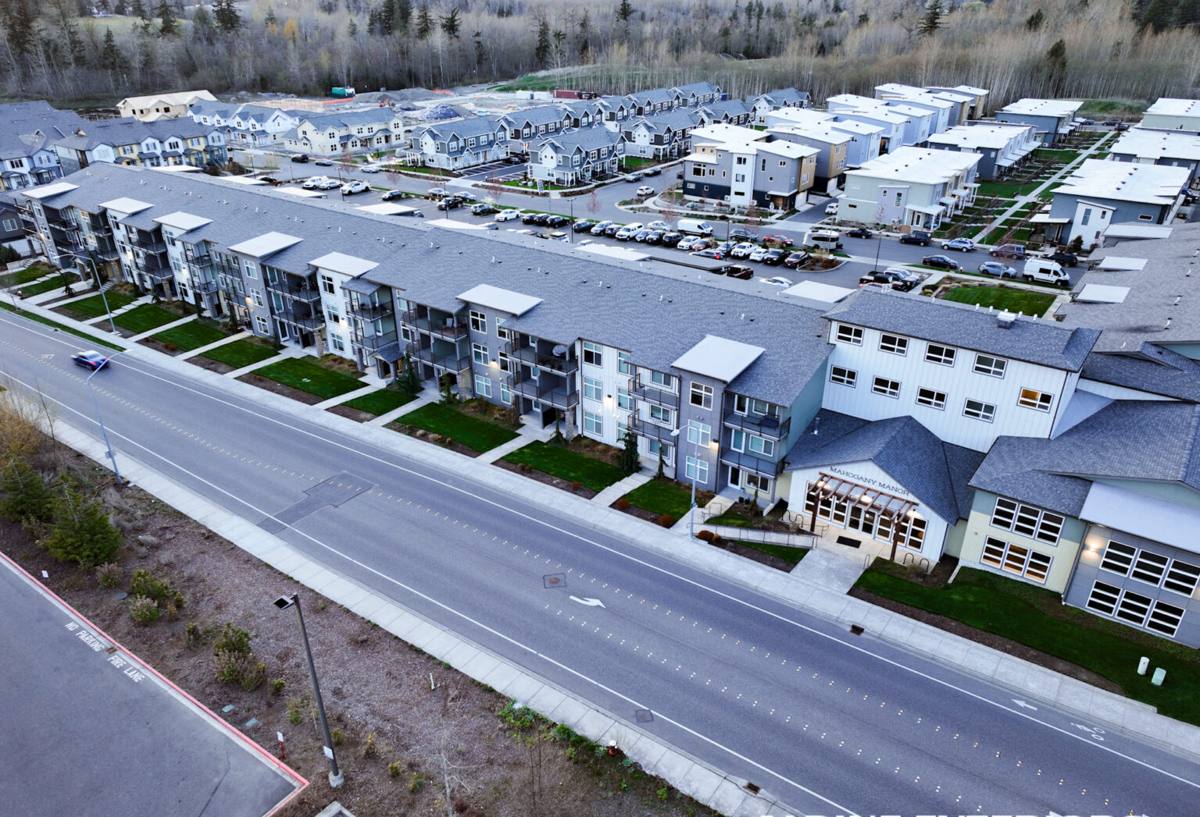
What Cordata Homes Actually Need From Their Windows
Every region has its own priority list for windows, and Cordata's is shaped directly by its weather pattern. We build our recommendations around three things:
Moisture and Rot Resistance
Driving rain doesn't just hit the glass — it hits the frame, the sill, and every seam around the window opening. If the flashing and weather barrier underneath aren't installed correctly, water finds its way behind the trim and into the wall cavity. This is the single most common cause of window-related damage we see on homes in this area, and it's almost always an installation issue, not a product defect.
Salt Air Durability
Being close to the water means airborne salt settles on exterior surfaces over time. On windows, that shows up as accelerated corrosion on hardware, hinges, and lower-quality metal components. Frame material and hardware finish matter more here than they would further inland.
Thermal Performance for PNW Swings
Whatcom County winters aren't extreme by national standards, but the combination of cold, damp air and long overcast stretches means poorly insulated windows lead to condensation, cold drafts near the glass, and higher heating costs. Good glass packages and tight seals solve this without needing an oversized furnace to compensate.
The Moss Season Factor
Moss doesn't grow directly on window glass, but it has an outsized effect on window performance anyway. Moss and organic growth on roofs, siding, and trim hold moisture against the building envelope for extended periods. When that dampness sits near window openings — especially on north-facing walls or shaded sides of a house, which are common in the tree-covered lots around Cordata — it accelerates wood rot around frames and can compromise caulking and sealant faster than direct rain exposure alone. Part of a correct window installation in this area means accounting for that extended dampness window, not just designing for a single rainstorm.
What a Correct Window Job Actually Involves
A lot of window problems we get called out to fix aren't about the window unit itself — they're about shortcuts taken during installation. A proper job includes:
- Removing the old window and inspecting the rough opening for existing rot, moisture damage, or framing issues before anything new goes in
- Repairing or replacing any compromised framing or sheathing found during that inspection
- Installing a continuous weather-resistant barrier that integrates with the home's existing house wrap, not just tape patched over gaps
- Correct flashing sequence — sill pan, jamb flashing, and head flashing installed in the right order so water is always directed outward and down, never trapped
- Setting the window level, plumb, and square, with proper shimming so the frame isn't under stress
- Sealing and insulating the gap between the window frame and the rough opening without over-packing it, which can bow the frame
- Interior and exterior trim work that finishes the job cleanly and protects the seal long-term
Skipping or rushing any one of these steps is how a brand-new window ends up with a moisture problem within a couple of years — and by the time it shows up as a stain on the interior wall, the damage is usually already behind the drywall.
Choosing the Right Window for This Location
There's no single "best" window brand or material for every home — the right choice depends on your home's exposure, existing siding, budget, and how long you plan to stay in the house. That said, a few general factors matter more in Cordata's climate than elsewhere:
| Factor | Why It Matters Here |
|---|---|
| Frame material | Vinyl and fiberglass both resist salt-air corrosion better than untreated metal hardware; fiberglass holds up well to temperature swings with minimal expansion/contraction |
| Glass package | Double-pane with low-E coating and argon fill is the practical baseline for this region's temperature and moisture profile; triple-pane adds cost but can be worth it on north or west-facing walls with heavy weather exposure |
| Weatherstripping quality | Determines how well the window resists driving rain intrusion around the sash, not just still-air drafts |
| Sill design | Sloped sills and integrated drainage paths matter more here than in drier climates, since standing water against the sill is a recurring exposure, not an occasional one |
| Hardware finish | Corrosion-resistant hardware reduces long-term maintenance from salt air exposure |
Where We're Selective About Products
We don't install every window product on the market, and that's intentional. Some lower-cost window lines use hardware or sealant systems that are more maintenance-intensive in wet coastal climates, or that make future reglazing and part replacement harder than it needs to be. Our standard is picking products with a track record of holding up to sustained moisture exposure and a warranty structure that actually covers the failure modes we see locally — not just glass seal failure, but frame and hardware durability too.
Our Process for a Cordata Window Project
1. On-Site Assessment
We look at your existing windows, the condition of the framing and siding around them, and any signs of past moisture intrusion. This tells us whether it's a straightforward swap or whether there's underlying repair work to address first.
2. Product Selection
Based on your home's exposure (how much direct weather it takes, which direction it faces, how much shade and moss buildup is present), your siding type, and your budget, we walk through window options that make sense — not a one-size-fits-all recommendation.
3. Installation
Full removal, opening inspection, flashing, and sealing as outlined above. We don't shortcut the flashing sequence regardless of time pressure, because that's the step that determines whether the job holds up through a real Whatcom County winter.
4. Final Walkthrough
We check operation, seal integrity, and trim finish with you before calling the job done, and we're upfront about any maintenance items — like keeping weep holes clear or checking exterior caulking annually — that keep the installation performing over time.
Signs Your Current Windows Are Falling Behind
You don't need to wait for an obvious leak to know it's time to look at your windows. Watch for:
- Condensation forming between panes (a sign the seal has failed on double- or triple-pane glass)
- Visible gaps, soft spots, or discoloration in the frame or sill
- Noticeable drafts near the window even when it's fully closed and locked
- Difficulty opening, closing, or locking that didn't used to be there
- Moss or persistent green growth on the exterior trim around the window
- Rising heating costs without a clear explanation elsewhere in the home
Any one of these can be minor on its own, but together they usually point to windows that are past their effective service life for this climate.
Why Local Installation Experience Matters
Window installation isn't identical everywhere. A crew that mostly works drier inland climates may not think twice about flashing sequence or sill drainage, because their homes simply don't see the same sustained moisture exposure that Cordata and the rest of Ferndale deal with. Working windows throughout Whatcom County day in and day out means we've seen how the specific combination of salt air, driving rain, and moss-season dampness actually plays out on real homes here — not in a manual, but in the callbacks and repairs we've done on other contractors' shortcuts. That experience shapes every step of how we flash, seal, and finish a window opening.
Get a Straightforward Estimate
If your windows in the Cordata area are showing their age, or you're planning ahead for a remodel, we're happy to take a look and give you an honest read on what your home actually needs — no pressure, no inflated scope. Fill out the form below to request a free estimate.