 Ferndale Siding
 Deck Repair for the Cordata Area
The Cordata area sits close enough to Ferndale and the rest of Whatcom County that decks here deal with the same marine climate as everywhere else on this side of the county: long wet winters, a heavy moss season, and salt-laced air drifting in off the water. A deck that looked solid when it was built ten or fifteen years ago can be hiding real structural problems by the time an owner notices soft boards or a wobbly rail. This page covers what deck repair actually involves in this area, what we look for, and how to tell whether a repair is enough or a section needs to come out and be rebuilt.
We're not talking about a quick board swap and calling it done. A correct deck repair means checking the structure underneath, not just the parts you can see from the yard.
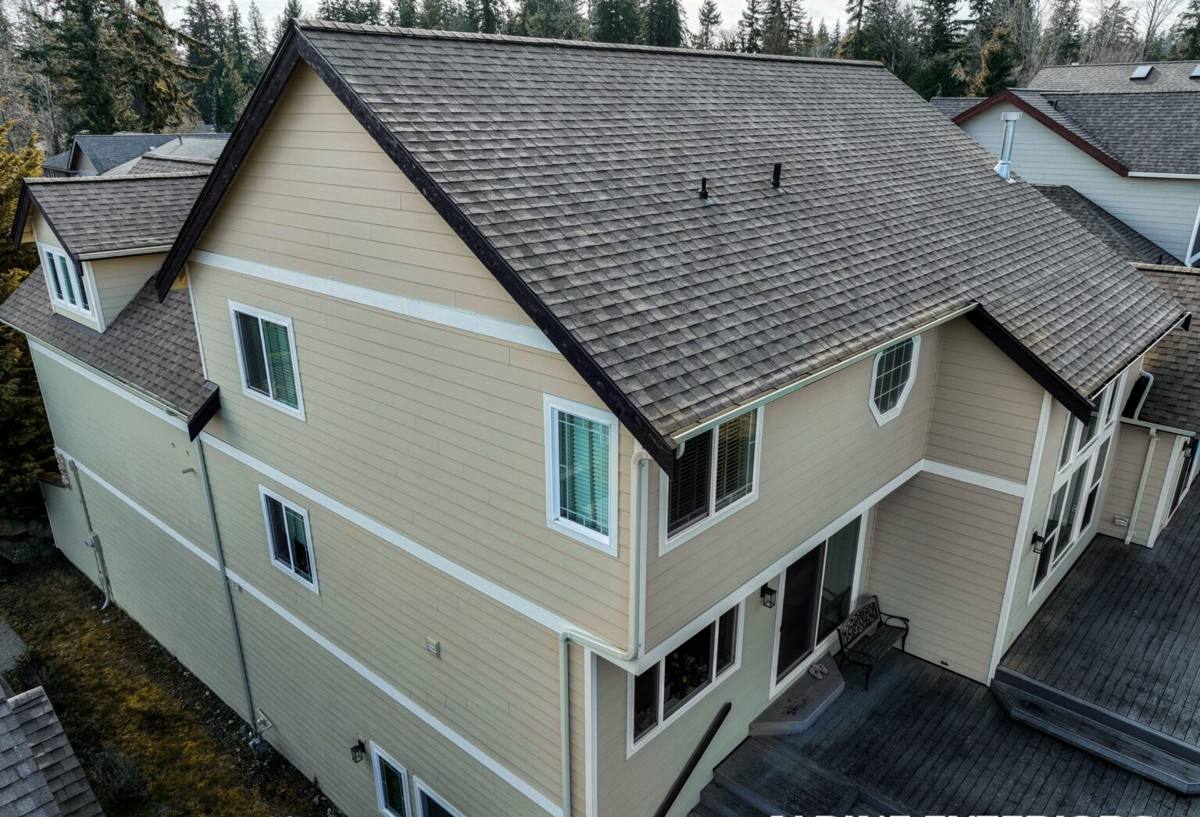
What Whatcom County's Climate Does to a Deck
Decks fail from the ground up and the top down at the same time, and the climate here pushes both processes along faster than it would in a drier region.
Moisture from below
Ledger boards, joists, and support posts stay damp for months at a stretch during our rainy season. Where flashing was skipped or installed poorly at the ledger connection, water gets behind the board and starts rotting the framing from the inside — often long before any sign shows up on the deck surface.
Moss and surface buildup
A long moss season means organic growth holds moisture against the decking boards themselves, especially on shaded sides of a house or under trees. That constant dampness accelerates rot in wood decking and can make composite or wood surfaces dangerously slick.
Salt air and fasteners
Proximity to Bellingham Bay and the Strait means a steady trace of salt in the air. Over years, that corrodes standard fasteners, joist hangers, and railing hardware that wasn't rated for coastal exposure — which is one of the most common hidden causes of a deck that feels "loose" even though the boards look fine.
Signs a Cordata-Area Deck Needs Repair
Some of these are obvious from a walk-around; others require getting underneath the deck or testing with a screwdriver.
- Boards that feel spongy, spring back slowly, or show dark staining along the edges
- Railings or posts that flex more than a firm push should cause
- Rust streaks running down from screws, nails, or metal connectors
- Gaps opening up where the deck meets the house (ledger board pulling away)
- Persistent moss or algae that comes back within weeks of cleaning
- Stairs that feel uneven, bouncy, or have visibly sagging stringers
- Standing water that doesn't drain off the surface within an hour or two of rain stopping
Any one of these on its own might be minor. Two or three together, especially near the ledger board or stair stringers, usually means it's time for a proper inspection rather than a DIY fix.
What a Correct Deck Repair Actually Involves
A repair done right addresses the cause, not just the symptom. Here's what we check on every deck repair job in this area, regardless of how small the visible problem looks.
The ledger board and flashing
This is the single most important connection on most decks and the most common source of hidden rot. We check for proper flashing, correct fastener spacing, and any daylight or gap between the ledger and the house that shouldn't be there.
Joists, beams, and posts
We probe framing members for soft spots, check post bases for standing water or rot at grade level, and confirm that any concrete footings haven't shifted or cracked.
Fasteners and connectors
Given the salt air here, we replace corroded hardware with fasteners and joist hangers rated for coastal, treated-lumber exposure — not the cheapest hardware-store option, which tends to corrode again within a few years in this environment.
Decking boards and railings
Individual boards get replaced where rot, cupping, or splitting has gone past the point of sanding or sealing. Railings get re-secured to code-appropriate spacing and height, since a lot of older decks in the area were built before current railing codes tightened up.
Repair or Replace: How We Make the Call
| Condition Found | Usually Repairable | Usually Needs Replacement |
|---|---|---|
| Ledger board and framing | Isolated soft spot, otherwise sound | Widespread rot, structural sag, or repeated past patch jobs |
| Decking boards | A handful of boards affected | Rot or cupping across most of the surface |
| Railings and posts | Loose connections, minor rust | Posts rotted at the base or below code height/spacing |
| Footings | Stable, just needs post/hardware work | Cracked, heaved, or undersized for the structure |
| Age of deck | Under 15-20 years, built to code originally | Older deck built before current code, multiple issues stacking up |
Cost is the other half of that decision. As a rough guide only — every deck is different once we're actually underneath it:
| Repair Type | What Drives the Cost |
|---|---|
| Board replacement | Number of boards, matching existing material and finish |
| Ledger/flashing repair | Amount of rot found once siding or trim is opened up |
| Railing repair | Whether posts need to come out, code compliance updates |
| Structural framing repair | Access, extent of rot, whether posts/footings are involved |
| Full rebuild | Size, material choice, permitting, and site access |
Wood vs. Composite When Repairing
When boards need replacing, owners often ask whether to stick with wood or switch part of the deck to composite. Both are reasonable choices — the honest trade-offs matter more than brand names.
Wood decking costs less up front and is easy to spot-repair board by board, which matters if you expect to keep maintaining the deck in sections over time. It needs regular cleaning and resealing in this climate, especially in shaded, moss-prone spots, or rot will return within a few seasons.
Composite decking resists moisture and moss better and needs less annual upkeep, which appeals to a lot of owners dealing with our wet season. It costs more initially, and mixing it into an existing wood deck means matching board profiles and fastening systems carefully so the repaired section doesn't look or perform differently than the rest.
We'll walk through both options honestly for your specific deck rather than pushing one material across the board.
Our Deck Repair Process
- Inspection. We check the deck from top to bottom, including underneath — ledger, joists, posts, footings, and fasteners, not just the visible surface.
- Written scope and estimate. You get a clear breakdown of what needs repair now, what to watch, and what a fair estimate looks like before any work starts.
- Repair. We replace only what needs replacing, matching materials where practical and upgrading hardware to fasteners suited for this climate.
- Code check. Railing height, baluster spacing, and stair details get brought up to current code where the existing deck falls short.
- Walkthrough. Before we call it done, we walk the deck with you and point out what was fixed and what routine maintenance will keep it that way.
Why a Crew That Already Works This Area Matters
A deck repaired without accounting for local conditions tends to show the same problems again within a few years — the wrong fasteners corrode, boards without proper drainage trap moisture, and moss comes right back in shaded spots. Working regularly in Ferndale and the surrounding Whatcom County area means we know which failure points show up most often on decks exposed to this mix of rain, moss, and salt air, and we build the repair to hold up against all three, not just the one problem that happened to be visible when you called.
We also know that decks in this area often connect directly to siding, trim, or a covered porch structure — so if a repair uncovers rot that's spreading into the house's exterior, we can flag it honestly rather than patching around it and leaving the real problem for later.
Maintenance Between Repairs
A few habits stretch the life of any deck repair, wood or composite, in this climate:
- Clear leaves and debris from between boards before they trap moisture
- Rinse or gently scrub moss off before it gets established, especially on shaded sections
- Check railings and stair connections for movement once or twice a year
- Keep gutters and downspouts near the deck clear so runoff isn't draining onto it
- Reseal wood decking on the schedule the product calls for, not just when it looks faded
If you're in Cordata or anywhere else around Ferndale and Whatcom County and want an honest look at what your deck actually needs, we're happy to come take a look. Use the form below to request a free, no-pressure estimate.