 Ferndale Siding
 Board & Batten Siding for the Cordata Area Near Ferndale
Cordata sits in the kind of Whatcom County microclimate that punishes siding decisions homeowners made without thinking about long-term exposure. Salt-laden air moving in off the Sound, driving rain that comes sideways more often than straight down, and a moss season that can run eight months out of the year all add up to a specific set of demands on any vertical-board siding system. Board and batten is a strong look for this area's homes, but it is also one of the least forgiving siding profiles when it is installed wrong, because every batten strip is a potential water trap if the crew doesn't understand what they're building.
This page covers what a correct board and batten job looks like specifically for homes in and around Cordata, why the material choice matters as much as the installation, and how our process is built around the realities of this particular stretch of Ferndale's service area rather than a generic siding checklist.
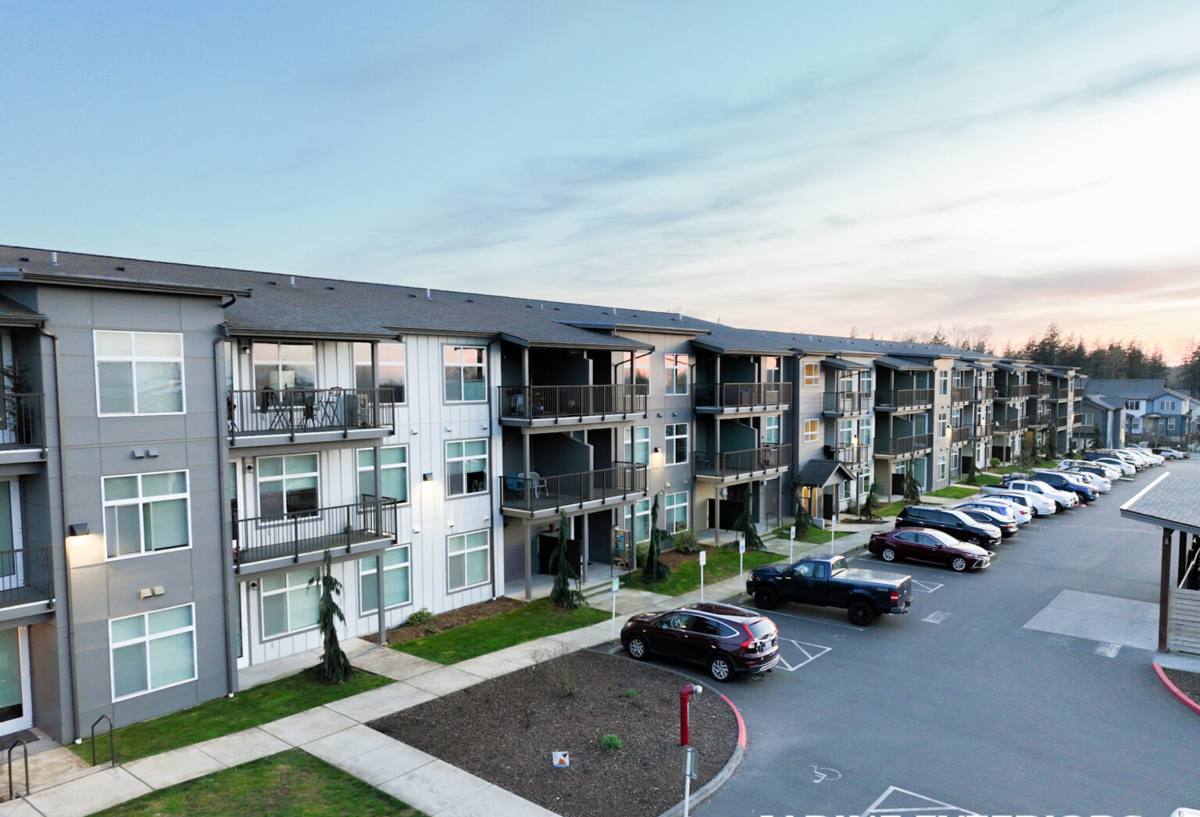
Why This Climate Is Harder on Board & Batten Than People Expect
Board and batten relies on vertical seams — the joints between the wide boards and the narrower battens that cover them — running the full height of the wall. Every one of those seams is a place where wind-driven rain can be pushed upward and sideways by pressure, not just downward by gravity. In a climate with frequent driving rain, that matters more than it would in a drier region, because the siding isn't just shedding water off its face; it's being tested at every vertical joint, over and over, for months at a time.
Add in salt air. Homes closer to the water deal with airborne salt that accelerates corrosion on fasteners, flashing, and any metal trim details. Fastener corrosion under board and batten is a quiet failure — you don't see it until a board starts to loosen or a streak of rust bleeds through the paint line. And then there's moss. Whatcom County's damp, mild winters and shaded lots are ideal moss and algae conditions, and board and batten's horizontal battens and ledges (window heads, kickout areas, the tops of trim boards) are exactly where organic growth likes to establish first, holding moisture against the wall longer than a flat or lapped surface would.
None of this means board and batten is a bad choice for a Cordata home — it's a great architectural fit for a lot of the homes in this area. It means the installation details that get skipped on an easier job cannot get skipped here.
What a Correct Board & Batten Installation Involves
The Rainscreen Gap Isn't Optional
Vertical siding profiles perform best over a drainage gap — a rainscreen — between the back of the siding and the water-resistive barrier on the wall. That gap lets any water that gets past the battens drain and dry instead of sitting against the sheathing. In a climate with this much sustained rain, skipping the rainscreen is one of the most common ways board and batten jobs fail early, and it's invisible once the siding is up, which is exactly why some crews skip it.
Batten Spacing and Fastening
Battens need consistent spacing, correct fastener length and placement to hit framing (not just sheathing), and enough clearance at the bottom to avoid wicking moisture from grade or a roofline below. Fastener corrosion resistance matters more here than in a drier inland climate — this is a salt-air area, and the wrong fastener type will show rust streaks well before the siding itself has any problem.
Flashing at Every Horizontal Interruption
Window heads, door heads, roof-to-wall transitions, and any horizontal trim board need proper flashing and drip caps. On a board and batten wall, these are the spots where a design shortcut turns into a leak, because water that would run off a flat wall gets caught by the vertical battens and redirected toward these details.
Sealed and Backed Joints
Every board and batten seam should be sealed with a product rated for the exposure, and joints should be backed rather than caulked over an open gap. This is a detail that separates a board and batten installation that will look right in ten years from one that starts showing gaps and staining in three.
Why We Only Install James Hardie for Board & Batten Work
We standardized on James Hardie fiber cement across every siding profile we install, including board and batten, and we don't install vinyl board and batten panels, LP SmartSide, or wood-based board and batten systems. That's not a marketing position — it's a decision built around what actually holds up in this specific climate over decades, not just the first few years.
Vinyl board and batten looks fine on day one, but it's a thin plastic product that expands and contracts significantly with temperature swings, and its seams are lapped and snapped rather than fastened and sealed the way fiber cement is — in a driving-rain climate, that's a real difference in how much water pressure the joint can resist. Wood-based products like LP SmartSide use engineered wood strand technology that performs well when maintained, but any wood-based substrate is more exposed to moisture intrusion at cut ends and seams than fiber cement is, and this area's rain and moss exposure is not forgiving of maintenance lapses. We'd rather not install a product whose long-term performance here depends on a homeowner staying on top of caulk and paint touch-ups every year.
James Hardie fiber cement is non-combustible, dimensionally stable across our temperature range, and available with a factory-applied ColorPlus finish that's baked on and warrantied against fading and peeling — which matters in a climate where UV exposure is inconsistent but moisture exposure is constant. Hardie's HZ5 formulation is engineered specifically for climate zones like ours, with freeze-thaw and moisture-cycling performance built into the product rather than added after the fact.
Board & Batten Options Within the Hardie System
Homeowners in Cordata typically get the board and batten look one of two ways: Hardie's Artisan Collection, which is a heavier, more dimensional plank product, run vertically with battens, or standard HardiePanel with separate batten strips over the seams — the more common and more budget-flexible approach. Both are available in ColorPlus prefinished colors or as a primed product for field painting, and both need the same rainscreen and flashing details underneath regardless of which panel option is chosen.
Material Comparison: How Board & Batten Options Handle This Climate
| Material | Salt air / corrosion | Driving rain at seams | Moss & organic growth |
|---|---|---|---|
| Vinyl board & batten | Panel itself won't corrode, but fasteners and trim accessories can | Lapped/snapped seams rely on overlap, not sealed joints | Moss grows on the surface same as any material; harder to keep paint-fresh since it can't be repainted easily |
| LP SmartSide / wood-based | Fasteners need corrosion-resistant coating; substrate is wood strand | Cut ends and seams need consistent sealing and maintenance | Wood-based substrate is more sensitive to prolonged moisture contact under moss/algae |
| Cedar | Natural material, but needs ongoing sealant/stain upkeep near salt exposure | Traditional board and batten origin, but seams still need maintenance | Absorbs and holds moisture more readily; classic moss and mildew host if not maintained |
| James Hardie fiber cement | Non-combustible, dimensionally stable; use corrosion-resistant fasteners per spec | Rigid panel holds a sealed, backed joint under sustained wind-driven rain | Factory finish resists moisture absorption into the panel itself; surface growth is a cleaning issue, not a substrate issue |
Our Process for Cordata Board & Batten Projects
- Walk and assess: we look at wall orientation, water exposure, existing moisture damage, and moss/algae staining patterns specific to the lot before quoting anything.
- Scope the assembly, not just the panel: the estimate includes rainscreen, house wrap or weather-resistive barrier condition, flashing at every penetration, and batten layout — not just square footage of siding.
- Confirm product and finish: Artisan or standard HardiePanel with battens, ColorPlus prefinished or primed, based on the home's design and the owner's maintenance preference.
- Tear-off and inspect sheathing: any water damage found underneath the old siding gets addressed before new siding goes on — covering a wet wall with new siding just hides the problem.
- Install to manufacturer spec: correct fastener type and spacing, sealed and backed joints, proper flashing at heads and transitions, and rainscreen gap maintained throughout.
- Final walk-through: we go over caulking lines, paint touch-up if needed, and what routine maintenance looks like for the specific product installed.
Cost Factors for Board & Batten Siding in This Area
| Factor | Why it affects cost |
|---|---|
| Board width and batten spacing | Wider reveals or custom spacing patterns take more layout time and material planning than a standard pattern |
| ColorPlus vs. primed | Factory-finished panels cost more upfront but remove field-painting labor and long-term repaint cycles |
| Tear-off vs. new construction | Removing old siding, disposing of it, and repairing sheathing damage adds labor beyond a bare-wall install |
| Trim and flashing complexity | Homes with more window/door openings, roof transitions, or dormers need more flashing detail per square foot |
| Site access and wall height | Multi-story walls, tight side yards, or limited staging area affect scaffolding and labor time |
Maintenance: What Owning Hardie Board & Batten Looks Like Here
Board and batten with a factory ColorPlus finish is low-maintenance, not no-maintenance, especially given the moss season this area sees. A short annual routine keeps it performing the way it's supposed to:
- Rinse the siding annually, especially on north-facing or shaded walls where moss and algae establish first
- Check caulk lines at seams and trim yearly and re-seal any that have cracked or pulled away
- Keep gutters clear so overflow doesn't run down the wall and concentrate moisture at specific battens
- Trim back vegetation and tree cover that keeps a wall section shaded and damp longer than the rest of the house
- Watch for streaking near fasteners or trim, which can signal a corrosion issue worth catching early
Why a Local Ferndale Crew Matters for This Specific Job
Board and batten is a profile where installation quality — not the brand on the panel — determines whether the job still looks good in fifteen years. A crew that already works homes in the Cordata area and around Ferndale has already seen how this climate treats vertical siding seams, where moss tends to establish first on local roof and wall configurations, and which flashing details actually hold up through a full Whatcom County winter. That local pattern recognition is worth more than a lower bid from a crew that's never worked wind-driven rain into their sequencing.
If you're weighing board and batten for a home in the Cordata area, we're happy to walk the property, look at your specific exposure, and put together a straightforward, no-pressure estimate using the form below.