 Ferndale Siding
 Board & Batten Siding in Fairhaven: A Style That Has to Earn Its Keep
Board and batten has a clean, vertical look that suits the mix of craftsman homes, newer builds, and coastal-style properties around Fairhaven. It's a popular choice for accent walls, gables, garages, and full-home exteriors alike. But in this part of Whatcom County, board and batten isn't just a design decision — it's a performance decision. The vertical seams, the batten strips, and the way water is meant to shed all matter more here than they would in a drier inland climate, because Fairhaven homes deal with salt-laden air, driving rain that comes in sideways off the water, and a moss season that can stretch for most of the year.
This page covers what board and batten siding needs to hold up in this specific environment, what a correct installation actually involves, and why we only install it in James Hardie fiber cement — never vinyl, LP SmartSide, or engineered wood panel systems, and never primed spruce or cedar boards.
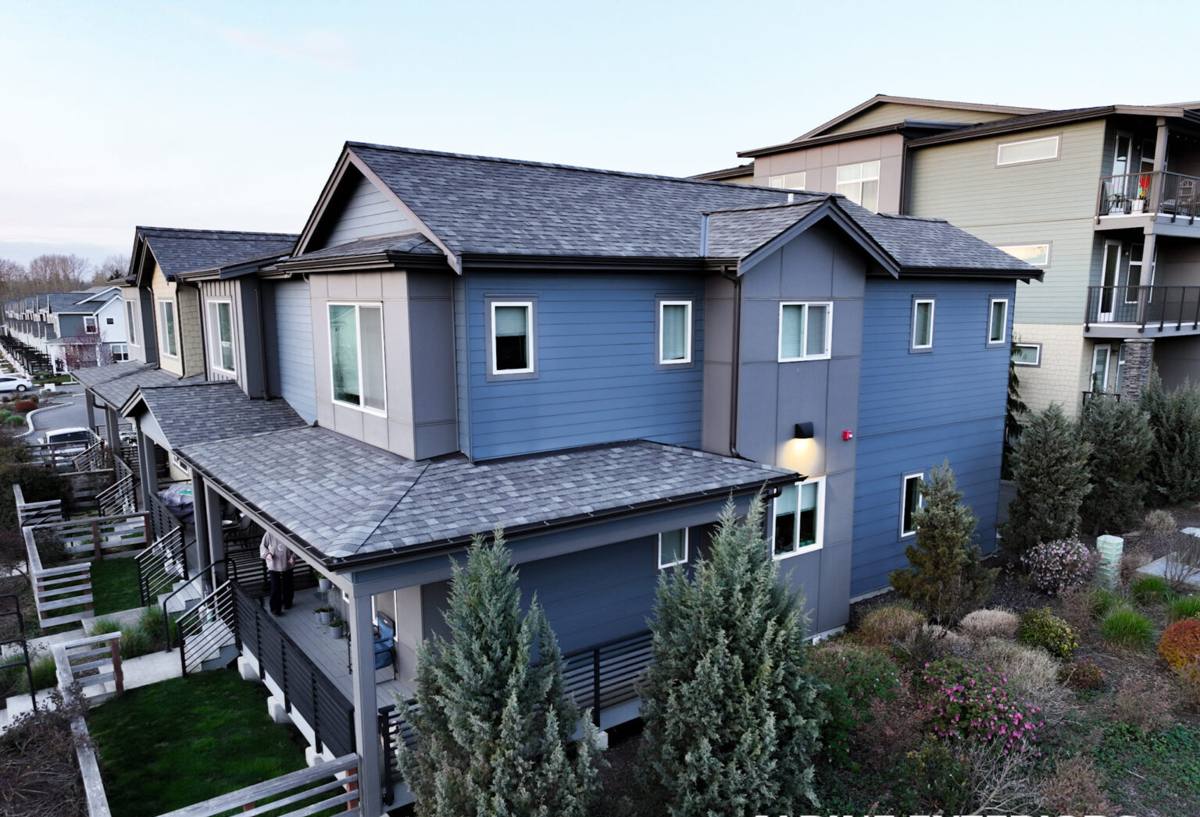
What Fairhaven's Climate Actually Does to Vertical Siding
Salt Air and Corrosion
Homes near the water pick up airborne salt that settles on exterior surfaces and works its way into fasteners, flashing, and any exposed metal. On a board and batten wall, that means the nails or screws holding the battens in place — and any trim or flashing components — need to be corrosion-resistant from day one. Standard fasteners that would be fine forty miles inland can start rusting and staining a Fairhaven wall within a few seasons.
Driving Rain and Wind-Driven Moisture
Storms off the water push rain sideways, not straight down. That matters a lot with board and batten because the design relies on vertical joints and batten strips to shed water correctly. If the gap behind the panel isn't there, if caulking is used as a substitute for proper flashing, or if butt joints aren't detailed correctly, wind-driven rain will find its way behind the siding. Once moisture gets trapped behind a board and batten wall, it has nowhere to go and nowhere to dry out quickly, especially through the gray, damp stretches of the year.
Moss, Algae, and a Long Wet Season
Whatcom County's long wet season and the shade from mature trees common around Fairhaven create ideal conditions for moss and algae growth on siding, especially on north-facing walls and anywhere airflow is limited. Vertical board and batten actually has an advantage here over some lap sidings — the vertical lines shed standing water faster than horizontal laps can — but only if the material itself resists moisture absorption and the installation includes a drainage gap that lets the wall breathe and dry.
Why Material Choice Matters More on a Vertical Profile
Board and batten puts more of the wall's face in direct, sustained contact with weather than some other siding styles, because the batten strips create extra seams, edges, and fastening points. Every one of those details is a potential entry point for moisture if the material swells, warps, or degrades. That's the core reason we standardized on James Hardie fiber cement for every board and batten job we do, in Fairhaven or anywhere else in our service area.
| Material | How It Handles Local Moisture | Long-Term Concern in This Climate |
|---|---|---|
| James Hardie fiber cement | Dimensionally stable when wet; engineered HZ5 formulation for the Pacific Northwest | Requires correct install detailing, but the material itself doesn't rot or swell |
| Primed spruce or cedar boards | Absorbs moisture; can cup, split, or swell at joints | Repainting and caulk maintenance on a shorter cycle; rot risk at end grain and joints |
| LP SmartSide (engineered wood) | Treated wood strand product; sensitive to sustained moisture exposure at cut edges | Edge sealing and gap maintenance become critical in wet climates |
| Vinyl board and batten | Doesn't absorb water, but expands and contracts significantly with temperature | Can warp or pull loose; seams and battens are often decorative, not truly shedding water the same way |
None of these alternative products are automatically a bad choice everywhere they're sold — vinyl and engineered wood both have a place in drier or more moderate climates, and cedar has real aesthetic appeal. But given what salt air, driving rain, and a long moss season do to a vertical siding profile over ten or twenty years, we made a standard for our own work: James Hardie fiber cement, installed correctly, or we don't do the job.
What a Correct Board & Batten Installation Involves
A lot of board and batten problems we see on older homes come down to shortcuts taken during install, not the material itself failing. On a coastal-influenced job like Fairhaven, the details below aren't optional extras — they're what makes the difference between siding that lasts and siding that traps water behind it.
- Rainscreen gap: A drainage gap behind the panels lets any moisture that does get past the surface drain out and lets the wall assembly dry between storms instead of staying wet.
- Corrosion-resistant fasteners: Given the salt air, we use fasteners rated for coastal exposure, not standard interior-grade hardware that will streak and weaken over time.
- Correct batten spacing and fastening: Battens need to land over structural framing or proper furring, with fastener spacing that follows the manufacturer's installation instructions for wind and moisture performance — not just what looks even.
- Flashing at every horizontal transition: Window heads, water tables, and any point where a horizontal element interrupts the vertical run need proper flashing, not just a bead of caulk.
- Factory-finished panels: ColorPlus factory finish avoids field-painted cut edges being the only line of defense against moisture intrusion at every seam.
- Proper clearance at grade and roof lines: Siding held to code-minimum clearance above the ground, decks, and roof surfaces avoids constant splash-back and trapped moisture at the bottom courses.
Why We Install James Hardie Board & Batten — Not the Alternatives
James Hardie's HZ5 product line is engineered specifically for Pacific Northwest conditions — the freeze-thaw swings, sustained moisture, and coastal exposure that Whatcom County sees. For board and batten applications, that means a panel and batten system that stays dimensionally stable whether it's soaked through a January storm or baking under a rare August heat wave. It's non-combustible, which matters given the wildfire smoke and dry spells the region has seen in recent summers, and the ColorPlus factory finish holds color without the repainting cycle that primed wood or field-finished products need.
Just as importantly, Hardie's installation specifications are well documented and specific to product line and climate zone, which gives us — and the homeowner — a clear, checkable standard for what "correctly installed" means. That's not something we can say with the same confidence about every product on the market.
Our Process for a Fairhaven Board & Batten Project
- On-site assessment: We look at existing siding condition, moisture damage, moss or algae buildup, sun and shade exposure on each elevation, and any trim or flashing issues before quoting anything.
- Tear-off and inspection: Removing the old siding lets us check the sheathing and framing underneath for hidden rot or moisture damage — common on older homes in wet coastal areas — before anything new goes up.
- Weather barrier and drainage plane: We install a proper water-resistive barrier and rainscreen furring so the new siding has a real drainage path behind it, not just a vapor barrier stapled flat to the wall.
- Panel and batten installation: Hardie panels and battens go up following manufacturer fastening schedules, with corrosion-resistant fasteners and correct flashing at every transition.
- Trim, caulk, and touch-up: Factory-matched caulk and trim finish the job so seams are sealed correctly rather than papered over.
- Final walkthrough: We go over the finished job with the homeowner before calling it done.
Keeping Board & Batten Looking Right Through Whatcom County's Wet Season
Fiber cement is low-maintenance compared to wood, but "low-maintenance" doesn't mean "no maintenance," especially on a vertical profile in a moss-prone climate. A little seasonal attention goes a long way toward protecting the investment.
- Rinse siding once or twice a year to clear salt residue, pollen, and early moss growth before it takes hold, especially on shaded north and east-facing walls.
- Trim back trees and shrubs that keep siding shaded and damp longer than the rest of the house.
- Check caulking at trim and penetrations annually — caulk is a maintenance item even on the best-installed job.
- Keep gutters and downspouts clear so roof runoff isn't dumping extra water onto siding below rooflines.
- Watch for any soft spots, staining, or fastener corrosion and address them early rather than waiting.
Why It Matters That We Already Work in Fairhaven
Board and batten installation guidance from a manufacturer is written for a broad range of climates. A crew that already works homes in and around Fairhaven and Ferndale knows which elevations take the worst of the driving rain, where moss builds up fastest, and how the salt-air exposure here compares to a job even ten miles inland. That local pattern recognition shows up in the small decisions — fastener choice, batten spacing near a shaded gable, extra attention to a water table detail — that a generic install wouldn't necessarily get right the first time.
If you're weighing board and batten siding for a home in Fairhaven, we're happy to take a look, walk the exterior with you, and give you a straight answer on what your home actually needs. Reach out for a free, no-pressure estimate using the form below.