 Ferndale Siding
 The Look — and the Climate It Has to Survive
Board and batten has a strong following in Lummi Nation and the surrounding Whatcom County waterfront communities, and it's easy to see why. The vertical lines suit farmhouse, craftsman, and modern coastal homes alike, and it reads as a step up from flat lap siding without looking fussy. But the same qualities that make it visually distinct — long unbroken vertical runs, exposed seams covered by narrow battens, and a flatter panel profile — also make it less forgiving of a mediocre installation than standard horizontal siding.
That matters here specifically. Homes near Lummi Nation sit close to the water, which means near-constant exposure to salt-laden marine air, wind-driven rain that hits siding at an angle instead of running straight down, and long stretches of shade and dampness that keep moss and algae established most of the year. Board and batten siding that isn't detailed correctly for this climate doesn't fail gracefully — it fails at the seams, at the battens, and at the bottom edge, right where water actually collects.
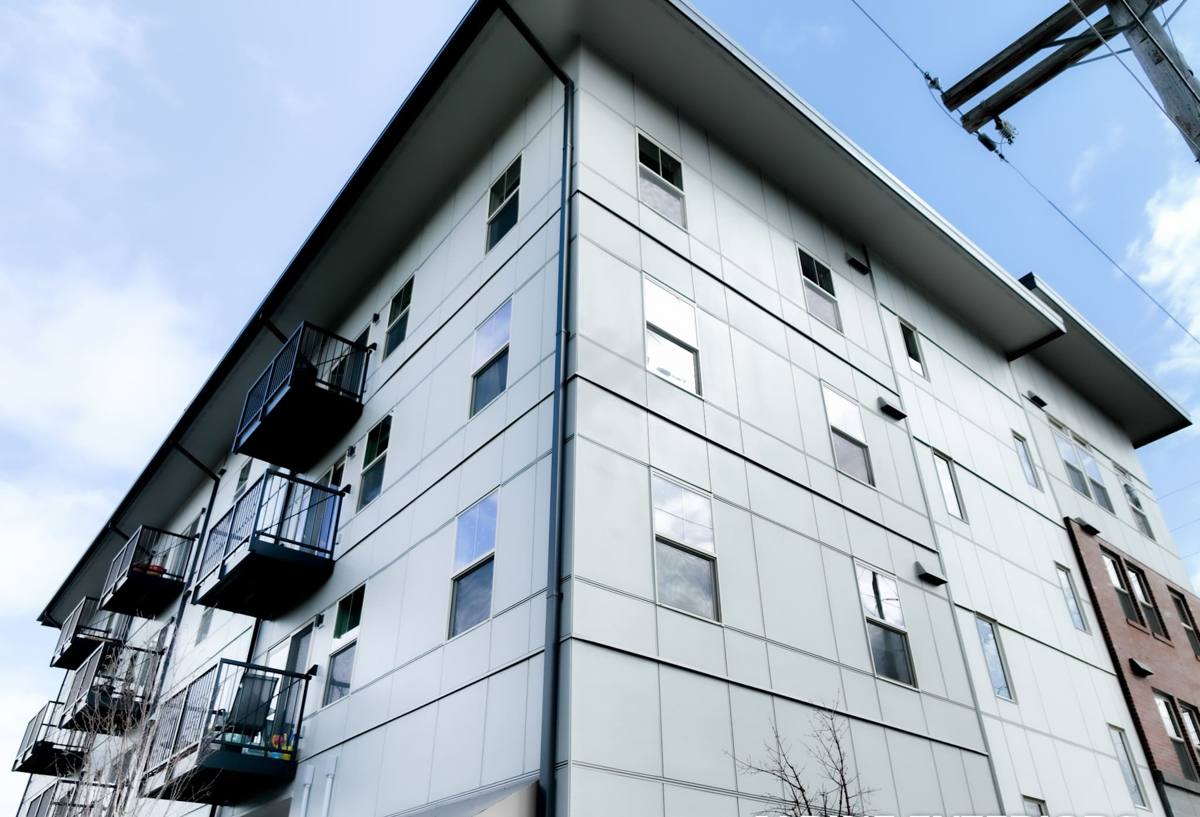
What Board & Batten Requires That Other Sidings Don't
Lap siding is designed to shed water by overlap — gravity does most of the work. Board and batten works differently: it's a series of vertical panels or boards with a batten strip fastened over each seam to cover the joint and block wind-driven rain from getting behind it. That's a smart system when it's built correctly, and a moisture trap when it isn't.
A few things that make this style more demanding, especially in a wet marine climate:
- Vertical seams run with gravity instead of across it, so any gap or failed sealant becomes a direct path for water to travel down behind the panel.
- Battens have to be fastened without over-driving nails or screws into the panel below, which is a common shortcut that cracks fiber cement or telegraphs through the finish over time.
- Because the panels often run tall — sometimes full wall height — there's less room for error in layout, plumb, and expansion gaps than with stacked horizontal courses.
- A drainage plane behind the siding (not just a weather-resistive barrier stapled flat) is what actually keeps this style dry long-term in a climate that gets driving rain off the water.
Why We Only Install This in James Hardie Fiber Cement
Board and batten gets offered in several materials — vinyl, engineered wood, primed spruce, and fiber cement among them — and we understand why some of those look appealing on price. We don't install any of them except James Hardie fiber cement, and on a style this exposed to seam-level water intrusion, the reasoning is even more direct than usual.
Vinyl board and batten flexes and expands with temperature swings, which stresses the very seams this style depends on to stay tight. Engineered wood and primed spruce depend on paint film and edge sealing to keep moisture out of a wood-based substrate — once that seal is compromised at a batten or a cut end, the material swells and the damage doesn't reverse. Fiber cement doesn't share that vulnerability: it's dimensionally stable, it doesn't rot, and it holds a factory-applied ColorPlus finish that isn't relying on field-painted edges to survive a Whatcom County winter. That's the standard we hold every project to, and it's why James Hardie is the only product we put on a home.
What a Correct Installation Actually Involves
Prep and Moisture Management
Before the first panel goes up, the wall needs a code-compliant water-resistive barrier and, on this style especially, a drainage gap behind the siding so any moisture that does get past the surface can run down and out instead of sitting against the sheathing. Flashing at windows, doors, and any horizontal trim has to be integrated into that barrier, not just caulked over it.
Panel and Batten Layout
Panels get laid out for even spacing and proper plumb before anything is fastened permanently — pulling a crooked run out after the fact means re-cutting and re-flashing. Battens are set to cover seams fully, with fastening patterns that hold the panel without cracking it or trapping water at the fastener head.
Fastening and Finishing
Corners, trim, and the bottom termination point (where siding meets foundation) are where board and batten jobs most often go wrong, because that's where water collects and where builders are tempted to caulk instead of flash. Correct clearance off grade, proper starter strips, and factory-finished cut edges sealed per manufacturer spec are what keep this detail from becoming a slow leak point five years down the road.
Material Comparison for Board & Batten
| Material | Behavior at Seams/Battens | Moisture & Moss Resistance | Long-Term Maintenance |
|---|---|---|---|
| James Hardie fiber cement | Dimensionally stable, holds fastening without cracking when installed to spec | Non-combustible, resists moisture-driven swelling | Factory ColorPlus finish, no repainting cycle |
| Vinyl board and batten | Expands/contracts with temperature, can loosen at fastener points | Doesn't absorb moisture, but seams can allow wind-driven rain behind panel | Low upkeep but can fade, crack in cold snaps |
| Engineered wood (e.g. LP-style) | Wood-based core sensitive to exposed or damaged edges | Vulnerable if edge seal fails; swelling follows | Requires vigilant caulk/paint upkeep |
| Primed spruce / cedar | Natural material movement at every joint | Prone to moisture uptake, rot, and moss growth in shade | Regular repainting and sealant maintenance |
What Affects the Cost of a Board & Batten Project
Board and batten pricing varies more than lap siding pricing, mostly because of layout and trim complexity. Getting a real number means a site visit, but these are the factors that move the estimate:
| Factor | Why It Matters |
|---|---|
| Existing siding removal | Tear-off, disposal, and sheathing inspection add time before new siding can start |
| Wall height and panel runs | Full-height vertical runs require more careful layout and material planning than shorter sections |
| Trim and corner detail | Board and batten often pairs with more visible trim than lap siding, which adds labor |
| Water-resistive barrier and drainage plane condition | Sheathing repair or upgraded drainage detailing behind the siding affects both cost and long-term performance |
| Accent use vs. full exterior | Many Lummi Nation homes use board and batten as a gable or entry accent rather than the whole house, which changes scope significantly |
Our Process for Lummi Nation Homeowners
We start with an on-site look at the home, not a phone quote — board and batten depends too much on wall condition, existing trim, and layout to price sight unseen. From there we walk through what we're seeing on the walls, what the existing moisture barrier looks like if it's exposed, and what the panel layout will look like on your specific elevations, including how it'll meet existing trim, windows, and rooflines. Once the scope is set, we handle removal of old siding where needed, correct any sheathing or barrier issues found underneath, and install the Hardie panel and batten system to manufacturer spec — not a shortcut version of it. We walk the finished job with you before we call it done.
Why Hire a Crew That Already Works This Area
Board and batten installed correctly in a dry inland climate can still fail here if the crew doesn't already understand what Whatcom County's marine exposure does to a wall system. Wind-driven rain off the water hits vertical seams differently than it hits a sheltered inland elevation. Moss establishes faster on north- and shade-facing walls near Lummi Nation than it does further from the water, and that affects both the drainage detailing we build in and the maintenance conversation we have with you at the end of the job. A crew that's done this work in Ferndale and the surrounding waterfront communities isn't guessing at how this siding needs to be detailed for the conditions it'll actually face — they've already seen what happens when it isn't.
Living With It: Moss, Salt Air, and Maintenance
Fiber cement board and batten, installed correctly, is genuinely low-maintenance here — but "low" isn't "none." The long moss season in Whatcom County means north-facing and shaded walls will collect growth over time regardless of siding material, and salt air will slowly dull any exposed metal fasteners or trim that aren't rated for coastal exposure. A few things worth building into your routine:
- Rinse siding (a garden hose is usually enough; avoid high-pressure washing directly at seams) once or twice a year to clear salt residue and moss spores before they take hold.
- Keep gutters and downspouts clear so water isn't sheeting down the wall face during heavy driving rain.
- Trim back vegetation that keeps a wall section shaded and damp — that's where moss establishes fastest.
- Have caulking at trim and penetrations checked every few years; it's a five-minute fix when caught early and a moisture problem when it isn't.
None of that is unique to board and batten, but the vertical seams and battens make it slightly less forgiving if maintenance gets skipped for years at a stretch — which is exactly why the installation details matter as much as they do.
A Quick Checklist Before You Sign a Contract
- Does the quote specify a drainage gap or rainscreen behind the siding, not just a barrier stapled flat?
- Is the material James Hardie fiber cement with a factory ColorPlus finish, or a substitute being priced to look similar?
- Does the contractor describe how they'll flash windows, doors, and the bottom termination point specifically?
- Have they worked on homes in Lummi Nation, Ferndale, or comparable waterfront Whatcom County properties before?
- Is the fastening pattern for battens spelled out, or left vague?
If you're weighing board and batten for a home in or around Lummi Nation, we're glad to come take a look and give you a straight, no-pressure estimate on what it would take to do the job right on your specific walls.