 Ferndale Siding
 Roofs in Blaine Take a Different Kind of Weather
Blaine sits right up against the water and the border, which means it gets the full package of Northwest coastal weather: salt-laden air off the Strait, wind-driven rain that comes in sideways instead of straight down, and long stretches of gray, damp days that never quite let a roof dry out. That combination is harder on roofing materials than inland weather is. It's not dramatic damage in most cases — it's slow, steady wear that shows up as a soft spot, a stain on a ceiling, or shingles that look tired years before they should.
We're a Ferndale-based crew, and Blaine is part of our regular service area, not a one-off trip. That matters for roof repair specifically, because the failure patterns we see on Blaine roofs are consistent enough that we can usually tell what's going on before we're even all the way up the ladder.
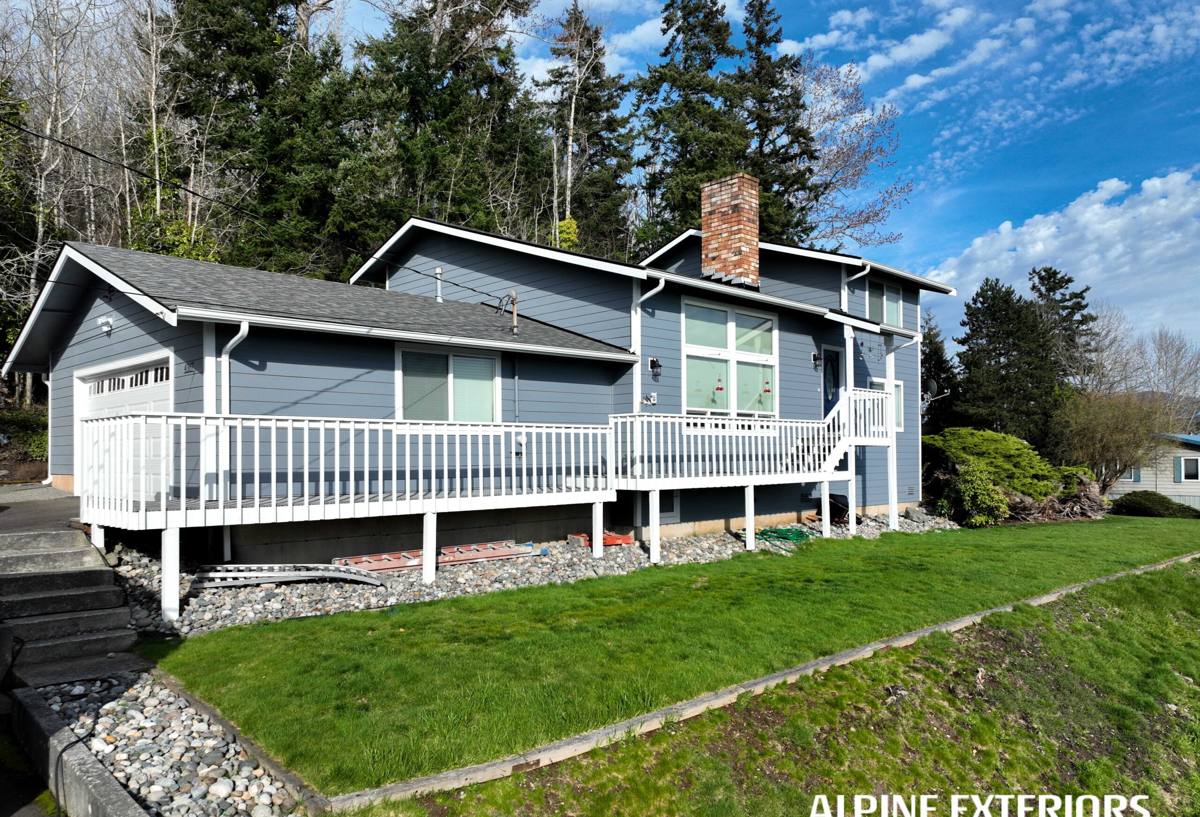
What Counts as a Repair vs. a Full Replacement
Not every roof problem needs a new roof, and not every leak can be fixed with a patch. Roof repair is the right call when the underlying roof structure and the majority of the roofing material are still sound — the damage is localized to a section, a penetration, or a flashing detail. Replacement becomes the honest recommendation when the roofing material itself has aged out across the whole surface, when there's been repeated water intrusion into the decking, or when repairing one area would just mean the next failure shows up six months later somewhere else.
Part of our job on a repair call is telling you honestly which category your roof is in. A patch on a roof that's genuinely near the end of its service life isn't a favor to the homeowner — it's a delay that costs more later. We'd rather tell you that up front than have you call us back next winter with the same problem in a new spot.
Signs a Repair Is Likely the Right Fix
- A single leak traced to one flashing point, vent, or valley
- Localized shingle or panel damage from wind, a fallen branch, or foot traffic
- Moss or debris buildup causing a specific area to hold water
- The roof is under roughly two-thirds of its expected service life with no widespread granule loss or curling
The Long Moss Season and What It Does to a Roof
Why Moss Takes Hold Here
Whatcom County's mild, wet winters and shaded, tree-lined lots are close to ideal growing conditions for moss, and Blaine's proximity to the water only adds to the moisture load. Moss doesn't need much — a north-facing slope, some overhanging branches, and a roof surface that stays damp for days at a stretch is enough. Once it gets a foothold, it spreads.
How Moss Actually Damages a Roof
The visual concern is minor compared to the physical one. Moss roots work their way under shingle edges and shakes, lifting them slightly and holding water against the roofing material and the underlayment beneath it. That constant dampness is what causes premature granule loss on asphalt shingles, rot on wood-based roofing, and eventually soft decking underneath. By the time moss is visibly thick on a roof, it's usually been doing damage for a season or more that you can't see from the ground.
How We Remove It Without Making Things Worse
Pressure washing moss off a roof is one of the fastest ways to shorten its life — high-pressure water drives moisture under the material and strips protective granules along with the moss. We remove moss by hand or with low-pressure methods, clear the debris that's trapping moisture, and check the shingles or decking underneath for damage that needs actual repair rather than just cleaning. On roofs with recurring moss problems, we'll also talk through what's feeding it — usually shade and drainage — since removal alone doesn't solve a site condition that will just grow it back.
Salt Air and Slow Corrosion
Blaine's coastal exposure means metal roofing components age faster than they would twenty or thirty miles inland. Fasteners, flashing, gutters, vent caps, and any exposed metal trim are the parts most affected — salt-carrying air accelerates corrosion, and a fastener that starts to rust can back out or lose its seal well before the roofing material around it is due for attention. A roof repair in a coastal-influenced area isn't complete if it only addresses the visible leak and ignores the fastener or flashing that's actually corroding underneath it.
When we're repairing a section of roof in Blaine, we're checking every exposed fastener and metal flashing piece in that area, not just the spot that's leaking. Replacing a shingle over a corroding nail head is a repair that fails again within a year or two.
Driving Rain and Where Roofs Actually Leak
Straight-down rain rarely causes leaks on a roof that's in reasonable shape. Wind-driven rain is a different story — it gets pushed sideways and upward under laps, around penetrations, and into any gap that gravity alone would never find. Blaine's exposure to weather coming off the water means driving rain is a regular event here, not an occasional storm.
| Leak Location | Typical Cause | What a Correct Repair Involves |
|---|---|---|
| Roof valleys | Worn or undersized valley flashing, debris buildup | Clear debris, inspect and replace flashing, confirm proper overlap and fastening |
| Chimney and skylight flashing | Sealant failure, corroded step flashing, settling | Remove and re-flash properly rather than resealing over failed metal |
| Vent pipe boots | Rubber boot material cracking with age and UV exposure | Replace the boot, check surrounding shingles for water staining |
| Eaves and gutter lines | Ice or debris damming, worn drip edge | Correct drainage path, replace drip edge, verify underlayment condition |
| Wall-to-roof intersections | Missing or corroded step and kickout flashing | Install proper step flashing sequence, not surface sealant alone |
The pattern across most of these is the same: the fix that actually holds up is a mechanical one — correct flashing, correct overlap, correct fastening — not a bead of sealant over the top. Sealant has its place as a finishing detail, but it's not a substitute for flashing done right, especially in an area that gets as much wind-driven rain as Blaine does.
Our Roof Repair Process
We keep the process straightforward because a homeowner shouldn't need to decode what's happening on their own roof.
- Inspection from the roof surface, not just the ground or a photo, including the area around the reported leak or damage
- Interior check where relevant — attic, ceiling, or wall areas near the affected roof section — to trace how far water has actually traveled
- A clear explanation of what's causing the problem, in plain terms, before any work starts
- An honest call on repair versus replacement, with the reasoning behind it
- The repair itself, including any corroded fasteners or failed flashing found along the way, not just the original complaint
- A final check for other vulnerable spots on the roof so you're not calling us back for something we could have flagged the same visit
Why a Crew That Already Works Blaine Matters
Roofing crews that mostly work inland don't run into salt air corrosion or a moss season this long very often, and it shows in how repairs are diagnosed. We work Blaine and the rest of Whatcom County regularly, so we're not guessing at how the local climate behaves on a roof — we've seen the same flashing details fail, the same north-facing slopes hold moss, and the same fastener corrosion patterns on enough roofs to know what to check without being told.
There's also a practical side to using a crew already working in the area: scheduling is easier, we're not adding a long drive to every visit, and if a repair needs a follow-up check after the next heavy rain, that's a short trip for us instead of a special one.
What Roof Repairs Typically Cost
Every roof and every repair is different, so we won't give you a number without seeing the roof — but the general cost drivers are worth knowing going in.
| Factor | How It Affects Cost |
|---|---|
| Roof pitch and access | Steeper roofs and limited access add labor and safety setup time |
| Extent of hidden damage | Rotted decking found under a leak adds material and labor beyond the surface repair |
| Type of roofing material | Matching existing shingles, shakes, or metal panels affects material cost and availability |
| Number of penetrations involved | Chimneys, skylights, and multiple vents each add their own flashing work |
| Moss or debris removal needed | Cleanup before repair adds time but prevents repeat problems |
Small, well-defined repairs are generally a modest cost. Repairs involving hidden decking damage or multiple flashing points cost more because there's simply more work involved — but we'll walk you through exactly what we found and why before we quote anything.
Keeping a Repaired Roof Sound After We Leave
A good repair should hold, but a little basic upkeep stretches its life further, especially given how much moisture and moss pressure Blaine roofs deal with year-round.
- Keep overhanging branches trimmed back to reduce shade and debris on the roof surface
- Clear gutters and downspouts before the fall rains start, and again mid-winter if needed
- Check for moss regrowth each spring rather than waiting until it's thick again
- Have flashing and fasteners looked at every few years, not just after a leak shows up
- Address small issues — a lifted shingle, a soft-looking spot — before the next storm, not after
If you're dealing with a leak, some moss buildup, or just want an honest read on where your roof stands, we're glad to come out and take a look. The estimate is free, there's no pressure attached to it, and you'll get a straight answer about what your roof actually needs — fill out the form below to get started.