 Ferndale Siding
 Semiahmoo Sits Where Weather and Water Meet
Semiahmoo occupies one of the more exposed pieces of ground in Whatcom County — a spit of land with water on multiple sides, open to wind, salt spray, and the kind of driving rain that comes in sideways off the Strait rather than straight down. Homes here take a different kind of beating than a house tucked into the trees a few miles inland in Ferndale proper. Siding that would hold up fine on a sheltered inland lot can fail early on a waterfront or near-waterfront property in Semiahmoo if it wasn't chosen and installed with that exposure in mind.
This page is about one product, in one place: fiber cement siding, specifically for Semiahmoo homes. Not a general overview of siding materials, and not a citywide pitch — the actual conditions this stretch of Whatcom County throws at a house, and what it takes to install siding that holds up to them.
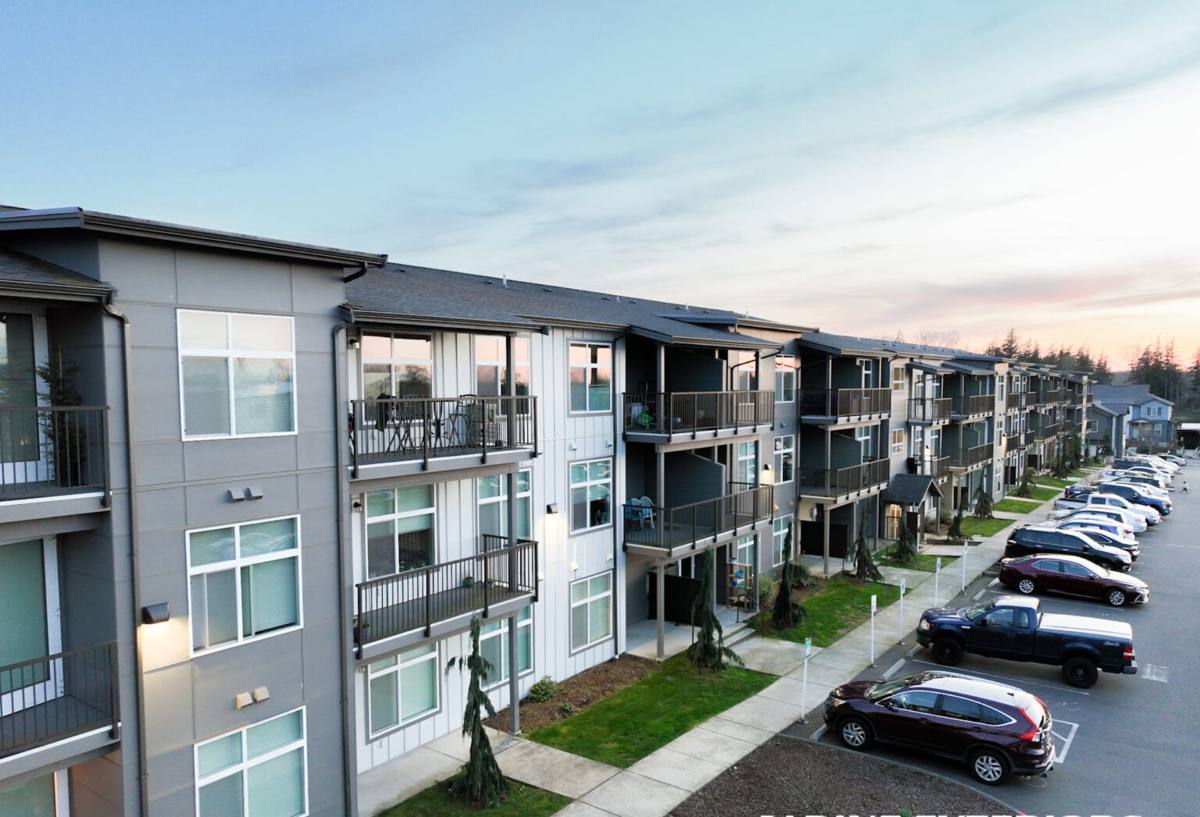
What Semiahmoo's Climate Actually Does to Siding
Salt Air and Corrosion
Proximity to saltwater means airborne salt settles on every exterior surface, including the siding itself and, more importantly, the fasteners and flashing behind it. Uncoated or poorly coated nails and screws corrode faster near the water. Once a fastener starts to rust, it can weep stains down the face of the siding and eventually lose its grip. This is a bigger deal in Semiahmoo than almost anywhere else in the Ferndale service area, and it changes what fastener and flashing materials are worth using.
Wind-Driven, Horizontal Rain
Whatcom County gets plenty of rain generally, but Semiahmoo's open exposure means a meaningful share of it arrives horizontally, driven by wind off the water. That kind of rain finds gaps that vertical rain never would — around trim, at butt joints, behind poorly lapped courses, at penetrations for hose bibs, vents, and light fixtures. Siding and flashing details that "get away with it" in a sheltered yard don't get away with it here.
A Long Moss and Algae Season
Cool, damp, and often shaded conditions — especially on north-facing walls and under mature tree cover — give moss and algae a long growing season on siding surfaces. This is mostly a cosmetic and maintenance issue rather than a structural one, but it's a real, visible difference between a well-detailed install and a sloppy one. Where water sits or drains slowly, growth follows.
Why We Install James Hardie and Nothing Else
We standardized on James Hardie fiber cement siding across every job we take on, including in Semiahmoo, and we don't install vinyl, LP SmartSide, or other fiber cement brands. That's not a marketing position — it's a product decision made with this exact climate in mind.
Non-Combustible, Dimensionally Stable
Fiber cement is cement, sand, and cellulose fiber — it doesn't burn, and it doesn't expand and contract with moisture the way wood-based products do. In a climate that stays damp for long stretches of the year, that stability matters: it's part of why fiber cement holds paint and caulk lines better over time than an engineered-wood product whose substrate can swell at cut edges and fastener points if moisture gets in.
Climate-Engineered HZ Formulations
James Hardie makes region-specific formulations — HZ5 for wetter, cooler climate zones like ours, versus HZ10 for hot, dry regions. Western Washington, including Ferndale and Semiahmoo, falls into the HZ5 zone. That formulation is engineered around freeze-thaw cycling and sustained moisture exposure rather than heat and UV in a dry climate. Using the correct zone product isn't optional or a minor spec detail — it's the difference between a product engineered for this exact weather and one that isn't.
ColorPlus Factory Finish
Hardie's ColorPlus finish is baked on at the factory under controlled conditions, with a finish that's more resistant to fading and moisture intrusion at the coating layer than field-applied paint. In a climate where a fresh paint job can take days to properly cure between rain systems, a factory finish removes a lot of the timing risk and gives a longer stretch before repainting is even a conversation.
A Warranty Backed by the Manufacturer
Hardie's product warranty is transferable and manufacturer-backed, which matters on a coastal property where buyers and insurers alike pay attention to exterior condition and history. It's one more reason we don't split our attention across multiple brands — we know one system in depth and install it the way the manufacturer specifies, every time.
What a Correct Installation Actually Involves
Fiber cement is only as good as the install behind it. The board itself resists moisture and fire; the assembly around it — flashing, fasteners, gaps, and drainage — is what actually keeps water out of the wall. On a Semiahmoo property, we treat every one of these details as non-negotiable, not optional upgrades.
- Corrosion-resistant fasteners appropriate for near-water exposure, not standard interior-grade nails
- A drainage plane / rainscreen gap behind the siding so any water that does get past the surface can drain and dry rather than sit against the sheathing
- Correct head, side, and sill flashing at every window, door, and penetration — not just caulk standing in for flashing
- Proper clearance from grade, decks, and roof lines so siding isn't wicking moisture from standing water or splash-back
- Factory-cut and field-cut edges sealed per manufacturer spec, since a raw cut edge is the most vulnerable point on the board
- Correct fastener spacing and placement per Hardie's published installation guide for the specific product line and exposure
- Butt joints and laps detailed to shed wind-driven rain rather than just vertical rain
Skip any one of these and the siding can still look fine for a year or two before problems show up — usually as staining, soft trim, or paint failure at joints. By then the fix is a lot more than cosmetic.
Our Process on a Semiahmoo Job
Assessment
We start by walking the property and reading its actual exposure — which elevations take direct wind and salt spray, which stay shaded and damp longer, where existing moisture or moss patterns tell us something about how water is currently moving around the house. That assessment drives decisions on flashing detail and drainage, not just which color to order.
Prep and Moisture Check
Before any new siding goes up, we check the sheathing and framing underneath the old siding for hidden moisture damage — common enough on older coastal homes where a small flashing gap has been feeding water into the wall for years without an obvious sign on the surface. Any rot or compromised sheathing gets addressed before siding, not covered over.
Installation
We install to James Hardie's published specifications for our climate zone — correct fastener type and spacing, correct clearances, correct flashing sequence, factory finish preserved wherever possible instead of over-caulked or over-painted. This is the same standard we hold on every job; there's no "coastal version" we skip corners on and no inland version where we cut them.
Final Walkthrough
We finish with a walkthrough covering what was done, what to expect from the ColorPlus finish over time, and any maintenance notes specific to the property's exposure — for instance, which elevations are more likely to need periodic moss or algae cleaning given their shade and orientation.
What Drives Cost on a Semiahmoo Re-Side
Every property is different, so we don't quote sight unseen, but these are the factors that most often move the number up or down on a job in this area:
| Factor | Why It Matters in Semiahmoo |
|---|---|
| Wind and water exposure of each elevation | Elevations facing open water or prevailing wind need more careful flashing and fastening, which adds labor |
| Condition of existing sheathing | Hidden moisture damage from years of marine exposure sometimes isn't visible until old siding comes off |
| Tear-off vs. full removal needs | Older siding with hidden rot or failed flashing usually needs full removal rather than a straightforward swap |
| Trim and architectural detail | Homes with more window trim, corner boards, and transitions take longer to flash and finish correctly |
| Access and staging | Waterfront and bluff-adjacent lots can be tighter or harder to stage equipment on than a standard inland lot |
Fiber cement generally costs more upfront than vinyl, but the comparison changes when you account for lifespan, repainting frequency, and how each product actually holds up to salt air and driving rain over 20-plus years. We're happy to walk through that math specifically for your property during an estimate.
Why Local Experience in Semiahmoo Matters
A crew that's worked this specific area knows things a general contractor from further inland might not think to ask about: which elevations in this micro-area tend to hold moisture longest, what wind exposure actually looks like across a season rather than on one dry estimate day, and how quickly moss reestablishes on a shaded north wall near the water compared to a similar wall a few miles inland. None of that is exotic knowledge — it's just familiarity that comes from doing the work here repeatedly, and it shows up in fewer callbacks and a siding job that still looks right five and ten years out.
Living With Fiber Cement Siding in a Marine Climate
Fiber cement with a ColorPlus finish is low-maintenance compared to painted wood or engineered-wood siding, but "low-maintenance" doesn't mean "no maintenance" in a climate like this one. Expect to periodically rinse off moss and algae buildup, especially on shaded elevations, and to keep an eye on caulk lines at trim and penetrations over the years — caulk is a maintenance item on any siding system, including ours. Beyond that, a correctly installed Hardie system in Semiahmoo shouldn't need much more than an occasional wash and a watchful eye during storm season.
If you're weighing a re-side in Semiahmoo or want a straight answer on whether your current siding is doing its job against the salt air and rain, we're glad to take a look. Reach out for a free, no-pressure estimate — we'll walk the property with you and tell you what we actually see, not just what we're hoping to sell.