 Ferndale Siding
 Roof Repair in Lummi Nation: What the Climate Demands
Roofs in the Lummi Nation area work harder than roofs sitting further inland. With open exposure to saltwater, wind-driven storms, and one of the longest moss seasons in the state, homes here take a different kind of beating than a house in a drier part of Whatcom County. A repair that would hold up fine elsewhere can fail in a couple of seasons out here if it isn't built with this specific exposure in mind. We're based in Ferndale and spend a good part of our week working on roofs throughout this area, so we've had plenty of chances to see what actually goes wrong on them — and what it takes to fix that properly instead of buying one more season before the same leak comes back.
This page is specifically about roof repair, not full tear-offs or new construction. Most calls we get here are for active leaks, storm damage, flashing failures, and moss-related deterioration on roofs that still have real life left in them. A few signs that a roof needs attention now rather than later:
- Water stains on ceilings or interior walls, especially after a windy storm
- Visible moss buildup along ridges, valleys, or shaded slopes
- Shingles that look lifted, curled, or missing granules
- Rust streaks below metal flashing, vents, or fasteners
- Soft or spongy spots when walking the attic decking
- Daylight visible through the roof deck from inside the attic
How Salt Air and Wind-Driven Rain Attack a Roof
Proximity to saltwater changes the math on roofing materials. Airborne salt speeds up corrosion on anything metal — nails, staples, flashing, roof vents, and the fasteners holding shingles or panels down. A fastener that lasts decades in a dry inland climate can start rusting and weakening within a handful of years out here. Once fasteners corrode, shingles and panels loosen, and that loosening is exactly what lets wind get underneath them.
Wind-driven rain is the other half of the problem. Storms off the water don't fall straight down — they come in sideways, which pushes water up and under shingle laps, around flashing edges, and into gaps that would stay dry in a calmer climate. A repair that only addresses visible damage and ignores how water actually arrived at that spot will leak again the next time the wind blows from a different direction.
Good repair work in this area plans for both forces from the start: corrosion-resistant fasteners and flashing, and detailing that assumes rain will hit the roof from more than one angle over the course of a winter.
The Long Moss Season — More Than a Cosmetic Problem
Whatcom County's wet, mild climate keeps moss actively growing for most of the year, and roofs here — especially shaded, north-facing slopes or sections under tree cover — deal with it longer and heavier than roofs in drier parts of the state. Moss isn't only an appearance issue. As it spreads, it holds moisture against the roofing surface for weeks at a stretch, works its rhizoids into shingle mat and granule layers, and lifts shingle edges enough for wind and rain to get underneath. On cedar, trapped moisture under a moss mat accelerates rot at the butt ends. On metal roofing, it holds standing water against seams and fastener heads long after a storm has passed.
By the time moss is visible from the ground, it has usually already done some of that damage underneath. Part of doing a repair correctly in this climate is checking what moss has been doing to the material beneath it, not just clearing the surface and calling the job finished.
Common Roof Problems We Find on Lummi Nation Homes
Composition shingle roofs
The most common issue is granule loss and shingle lifting around valleys, flashing, and roof penetrations like chimneys, vents, and skylights. Once granules wear away, the asphalt underneath breaks down faster under sun and moisture cycling. We also regularly see nail pops and cracked shingle seals from repeated wind uplift during winter storms.
Cedar shake and shingle roofs
Moisture retention is the main enemy on cedar. Moss and debris buildup between shakes traps water against the wood, leading to soft spots, splitting, and rot concentrated at the butt ends. Repairs on cedar usually mean replacing individual shakes and re-flashing the surrounding area rather than patching over the visible damage and leaving the trapped moisture in place.
Metal roofing
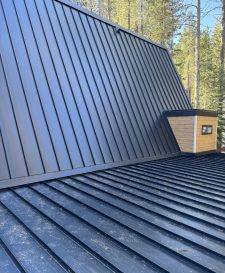
Fastener corrosion and sealant failure at panel laps and penetrations are the most frequent problems we find on metal roofs in this area. Once a screw or its washer degrades, water finds its way in at that exact point and can travel along the underside of the panel before it ever shows up as a stain somewhere else in the attic, which is why metal roof leaks are often harder to trace than they first appear.
What a Correct Repair Actually Involves
Diagnosis before anything else
A leak's entry point is often several feet from the stain that shows up on the ceiling — water tracks along rafters, decking, and underlayment before it finally drips somewhere visible. We trace the actual path water is taking before we open anything up, rather than guessing based on where the stain happens to appear indoors.
Flashing and underlayment work
Most roof leaks in this climate trace back to flashing — around chimneys, skylights, valleys, and where a roof meets a wall — rather than failure in the field of the roofing material itself. A proper repair means pulling back the surrounding material, replacing or resealing the flashing correctly, and confirming the underlayment underneath is still doing its job before anything goes back down over it.
Matching materials and finish
Patch repairs stand out and can create their own leak points if the replacement material doesn't match the existing roof's profile, thickness, or fastening pattern. We match material as closely as we can source it, and we set expectations up front on the rare occasions when an exact match isn't available.
Repair or Replace? Weighing the Cost Factors
Not every roof problem calls for a full replacement, and not every roof is worth continuing to repair either. These are the factors we actually walk through with homeowners before recommending either path:
| Factor | Leans toward repair | Leans toward replacement |
|---|---|---|
| Age of roof | Under two-thirds of expected material lifespan | At or past expected lifespan |
| Extent of damage | Isolated to one section or penetration | Spread across multiple slopes |
| Underlying decking | Solid, no rot found on inspection | Soft spots or rot already present |
| Moss and moisture history | Recent, surface-level buildup | Years of trapped moisture and granule loss |
| Repair frequency | First or second call to this section | Repeated repairs to the same area |
We'll tell you plainly which side of that table your roof falls on, including on the occasions when a repair is genuinely the right call and a replacement would be spending money you don't need to spend yet.
Fasteners and Materials We Choose for This Climate
Given the salt air and rain exposure around Lummi Nation, we don't use the same fastener and flashing specs that might be standard practice further inland. Where corrosion resistance matters, we upgrade the hardware rather than saving a small amount up front on materials that will fail early and bring us back out for the same leak.
| Component | Standard-climate option | What we use near saltwater exposure |
|---|---|---|
| Fasteners | Electro-galvanized nails | Hot-dip galvanized or stainless fasteners |
| Flashing | Basic aluminum | Heavier-gauge or coated metal with sealed laps |
| Sealants | General-purpose caulk | Roofing-grade sealant rated for UV and moisture cycling |
None of this is about upselling. It's about not putting a homeowner back on our schedule for the same leak two winters from now because we used hardware that was never rated for this kind of exposure in the first place.
Our Process, Start to Finish
- You describe the problem — a leak, a stain, storm damage, or a roof that just looks like it needs attention.
- We schedule a visit to inspect the roof in person, including the attic side where we can access it, not just what's visible from the ground or a photo.
- We explain what we found, what's actually causing it, and give an honest recommendation — a specific repair, or a replacement if that's genuinely the better long-term call for that roof.
- If you approve the repair, we do the work with materials suited to this climate and clean up fully — debris, old fasteners, and packaging — before we leave.
- We let you know what to keep an eye on going forward, especially if moss or debris buildup was part of what caused the original problem.
Why Hiring a Crew That Already Works in Lummi Nation Matters
Roofing in this area comes with a few wrinkles that a crew unfamiliar with the community can miss. Lummi Nation is a sovereign tribal nation, and depending on where a property sits, permitting authority can differ from what applies elsewhere in Whatcom County or the City of Ferndale. We take the time to confirm whose approval applies before starting work rather than assuming county rules cover everywhere nearby. That's a basic respect issue as much as a practical one, and it avoids delays that come from sorting it out after work has already started.
There's also a straightforward practical advantage to working in an area regularly: we already know the roofing patterns common on homes here, we're not learning this specific weather exposure for the first time on your roof, and we can usually get out for a look faster because we're often already working nearby. When a storm comes through and a section of flashing lifts or a shingle blows off, that response time is the difference between a quick repair and a much bigger interior repair bill.
A simple maintenance checklist between repairs
A few habits go a long way toward keeping a repaired roof performing well through the wet season:
- Clear moss and debris from valleys and roof edges before it builds up thick enough to hold water
- Keep gutters and downspouts clear so water isn't backing up under the roof edge
- Trim back branches that keep a section of roof shaded and slow to dry out after rain
- Check that attic ventilation isn't blocked — trapped moisture from below causes as much damage as rain from above
- Have any new stains, soft spots, or missing shingles looked at promptly rather than waiting for the next dry stretch
If you're dealing with a leak, storm damage, or a roof that's showing its age in Lummi Nation, we're glad to take a look and give you a straight answer. Reach out for a free, no-pressure estimate — there's a form below to get started.