 Ferndale Siding
 Siding Replacement in Fairhaven: A Different Kind of Job
Fairhaven sits close to Bellingham Bay, and that waterfront setting is part of what makes the neighborhood's older homes so appealing — and part of what makes siding on those homes wear differently than siding ten miles inland. Salt-laden air, wind-driven rain coming straight off the water, and a moss season that stretches for much of the year all put steady, cumulative stress on exterior walls. A siding replacement here isn't just a cosmetic upgrade; it's the point where a home either gets a weather envelope that can handle its actual exposure, or gets a repeat of whatever failed the first time.
This page is about that one job — replacing siding on a home in the Fairhaven area — and what it actually takes to do it right given the climate this neighborhood sits in.
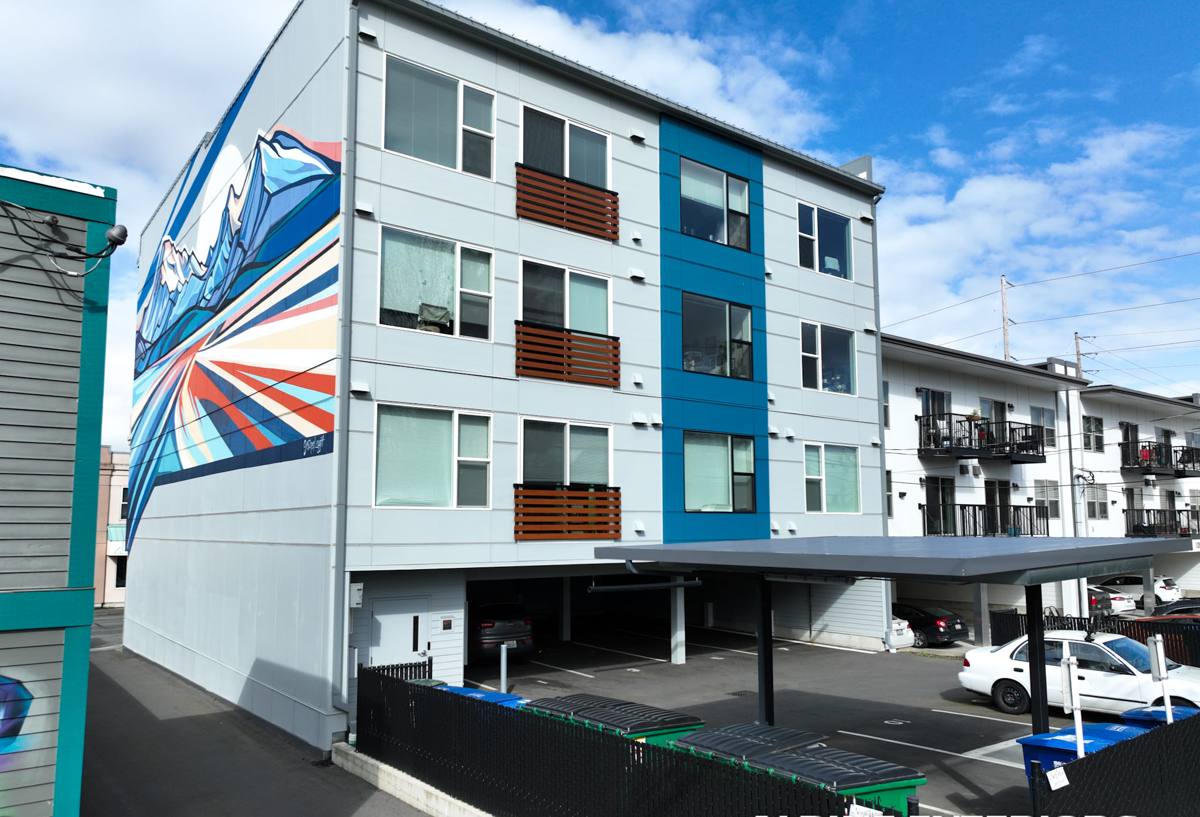
What Salt Air, Rain, and Moss Actually Do to Siding
Each of these factors attacks siding in a different way, and a Fairhaven home usually deals with all three at once.
Salt Air
Airborne salt from the bay accelerates corrosion on exposed fasteners, flashing, and metal trim, and it can degrade some paint and coating systems faster than a manufacturer's inland test data would suggest. Siding materials and finishes that aren't formulated with coastal exposure in mind tend to chalk, fade, or lose adhesion sooner near the water than they would a short distance away.
Driving Rain
Wind off the bay doesn't just add moisture — it pushes rain sideways and up under laps, trim, and penetrations that would stay dry in a calmer setting. This is why lap coverage, flashing details, and the quality of the water-resistive barrier behind the siding matter more here than they do in a sheltered inland yard. A siding job that "looks right" but was installed to a minimum-code standard is exactly the kind of job that leaks in a few years on a wind-exposed wall.
Moss and Persistent Moisture
Whatcom County's damp, mild climate keeps moisture in contact with exterior surfaces for long stretches of the year, and shaded, north-facing, or tree-covered walls in Fairhaven grow moss readily. Moss holds water against the siding surface, which is a slow but real threat to any material that can absorb moisture or that relies on a surface coating to keep water out.
Signs a Fairhaven Home Needs Siding Replaced, Not Patched
Not every siding problem calls for a full tear-off. But in a coastal, high-moisture setting, some signs mean patching is just delaying the real fix.
- Soft, spongy, or crumbling sections when pressed — usually moisture already inside the wall assembly, not just on the surface
- Paint that's failing evenly across large areas rather than in one weathered spot
- Persistent moss or algae growth that returns within a season of cleaning
- Visible gaps, warping, or buckling at seams and corners
- Rust streaking from fasteners or trim, a common sign of coastal salt exposure on unprotected metal
- Rot or staining at the bottom courses, near grade, or below window sills
- Rising energy bills with no other explanation, suggesting the wall assembly is no longer sealing properly
If you're seeing more than one of these, especially on a wall facing the water or prevailing weather, it's worth having the siding assessed rather than just the surface.
What a Correct Siding Replacement Involves
Tear-Off and Inspection
Removing the old siding is also the only real chance to see what's happening underneath — sheathing condition, existing flashing, and any hidden rot or moisture damage. Skipping a real inspection here and just re-siding over problems is one of the most common shortcuts in the trade, and it's the one that causes the most expensive repeat failures.
Water-Resistive Barrier and Flashing
Behind the new siding, the water-resistive barrier and flashing details are what actually keep wind-driven rain out of the wall assembly. Every window, door, and penetration needs flashing that sheds water down and out, not into the wall. On a wind-exposed Fairhaven wall, this layer matters more than the visible siding itself.
Fastening and Lap Coverage
Fastener spacing, type, and placement are specified by the manufacturer for a reason — get them wrong and you invite the exact water intrusion and premature failure that coastal exposure makes worse and faster. Lap coverage has to meet or exceed the minimum for the climate exposure, not just the minimum code requirement.
Finish and Trim Details
Corner boards, trim, and caulking joints are where a lot of coastal siding failures start. These details need to be sealed and finished to shed water actively, not just look finished from the curb.
Why We Install Only James Hardie Fiber Cement
We don't install LP SmartSide, vinyl, Cemplank, Allura, primed spruce, or cedar. That's a deliberate standard, not a lack of options, and it matters more in a setting like Fairhaven than it would somewhere drier and more sheltered.
James Hardie fiber cement is non-combustible, dimensionally stable, and doesn't absorb and swell with moisture the way wood-based products can. Its ColorPlus factory finish is baked on under controlled conditions and is engineered to hold color and adhesion in harsh exposure better than field-applied paint typically does — a real advantage against salt air and driving rain. Hardie's HZ5 product line is specifically engineered for cold, wet climates like ours, and the company backs its siding with a strong, transferable limited warranty when it's installed to spec.
None of this means other products are junk — vinyl is inexpensive and low-maintenance in mild conditions, and wood has real aesthetic appeal. But for a coastal Whatcom County home taking on salt air, wind-driven rain, and a long moss season, we've standardized on the one material system that gives homeowners the best combination of durability, finish life, and warranty support. We'd rather turn down jobs outside that standard than install something we don't believe will hold up here.
How the Options Compare in Coastal Whatcom County Conditions
| Material | Salt Air Resistance | Moisture Behavior | Finish Durability | Typical Maintenance |
|---|---|---|---|---|
| James Hardie fiber cement | Strong — non-combustible, engineered for wet coastal climates (HZ5) | Doesn't swell or rot; resists moisture-driven damage | Factory ColorPlus finish, long color/finish life | Low — occasional wash, no repainting on schedule |
| Vinyl | Can become brittle and fade faster in sun/salt combo | Doesn't rot, but can warp or gap over time | Color molded in but not repaintable if it fades | Low, but limited repair options if damaged |
| Engineered wood (LP SmartSide) | Coating and edge sealing are critical near salt air | Wood-based core is more moisture-sensitive if seals fail | Field or factory finish, depends on product | Moderate — edge/seam maintenance matters |
| Cedar / primed wood | Requires diligent coating upkeep near the water | Absorbs moisture; prone to rot and moss if untreated | Needs repainting/staining on a recurring cycle | High — regular refinishing required |
Our Process, Start to Finish
1. On-Site Assessment
We walk the home, look at current siding condition, note problem areas (shaded walls, water-exposed corners, existing rot), and talk through what you're trying to solve.
2. Written Estimate
You get a clear scope and price before any work starts — no surprise add-ons for things a proper inspection should have caught up front.
3. Tear-Off and Sheathing Check
Old siding comes off, sheathing gets inspected, and any hidden damage is addressed before anything new goes up.
4. Barrier, Flashing, and Hardie Installation
Water-resistive barrier, flashing, and James Hardie siding go on to manufacturer spec, with fastening and lap coverage suited to a wind- and salt-exposed coastal wall.
5. Trim, Caulking, and Final Walkthrough
Details are sealed and finished, then we walk the job with you before calling it done.
What Affects the Cost of a Fairhaven Siding Replacement
| Factor | Why It Matters Here |
|---|---|
| Extent of hidden damage under old siding | Coastal moisture exposure means rot behind old siding is more common than an intact-looking exterior suggests |
| Home size and wall complexity | More corners, penetrations, and trim details mean more labor for flashing and sealing |
| Wall exposure to wind and water | Water-facing and wind-exposed walls need more careful flashing and lap work |
| Existing moss or algae damage | Heavily affected sheathing may need repair or replacement before new siding goes on |
| Trim and accessory scope | Corner boards, fascia, and trim replacement add to material and labor cost |
We give real, project-specific numbers after an on-site look — not a broad guess based on square footage alone, since the condition behind the old siding drives cost as much as the size of the house does.
Why Local Experience in This Area Matters
A crew that regularly works Whatcom County's coastal communities already knows how a wind-exposed, salt-air, high-moisture wall behaves differently than an inland one, and builds the flashing, fastening, and material choices around that from the start rather than learning it on your home. That's a meaningfully different starting point than a crew installing to a generic regional standard and hoping it holds up near the water.
If your Fairhaven home needs a siding assessment or you're ready to talk through a replacement, we're happy to take a look and give you a straightforward, no-pressure estimate — fill out the form below to get started.