 Ferndale Siding
 Bellingham's Climate Is Harder on Siding Than It Looks
Bellingham sits on Bellingham Bay in Whatcom County, close enough to the Salish Sea that salt-laden air is a daily fact of life for homes near the water and well inland from it. Add the region's long wet season, wind-driven rain that comes in sideways off the water during winter storms, and the deep shade many Bellingham lots get from mature evergreens, and you have a climate that works against exterior siding almost year-round. Moss and algae don't just show up on roofs here — they colonize north-facing walls, siding seams, and anywhere moisture lingers instead of draining away.
None of that means siding fails fast. It means siding that isn't installed with this climate in mind fails quietly, from the inside out, long before the surface looks bad enough to worry about. A siding replacement in Bellingham isn't just a cosmetic upgrade — it's a chance to correct water management details that were never built for this environment in the first place.
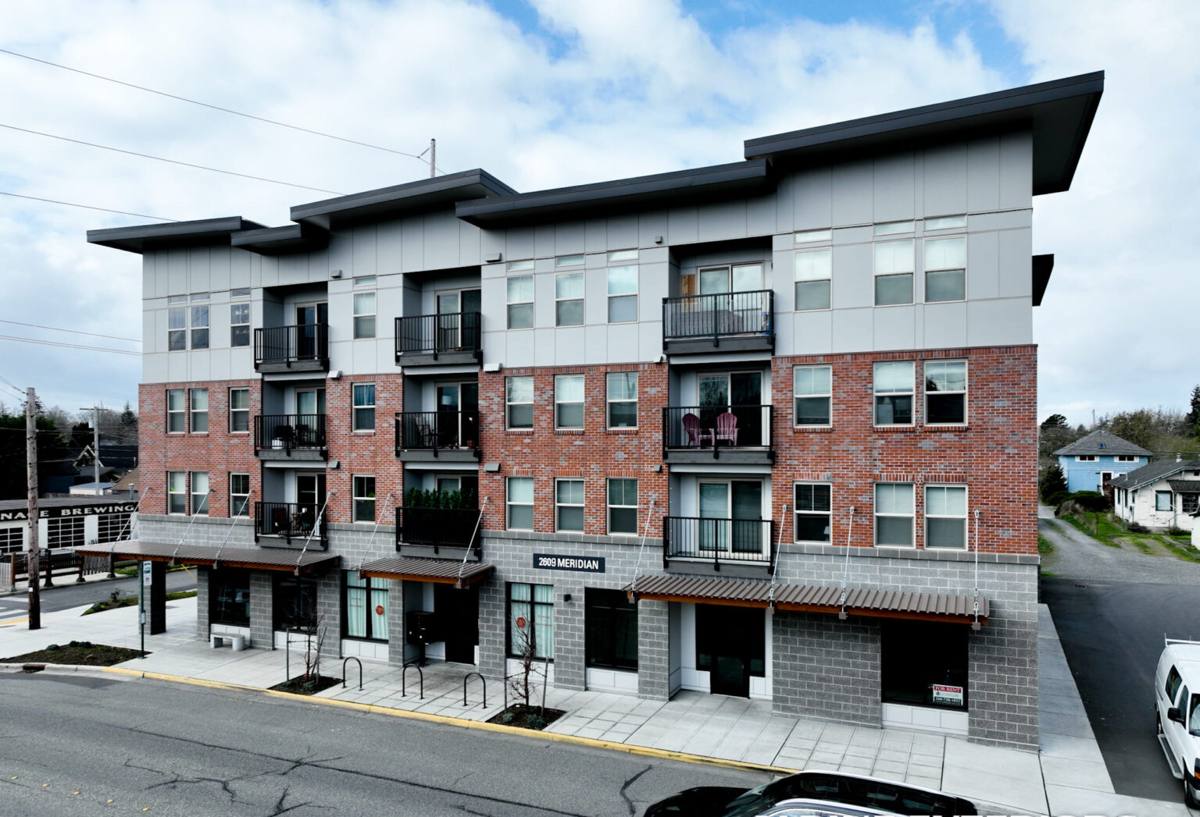
How Salt Air, Rain, and Moss Actually Damage Siding
Salt Air
Airborne salt is corrosive to metal fasteners, flashing, and trim, and it accelerates the breakdown of paint films and lower-grade siding substrates. Homes closer to Bellingham Bay see this fastest, but salt travels further inland on wind than most homeowners expect, especially during winter storms.
Driving Rain
Bellingham's storms frequently come with enough wind to push rain sideways into wall assemblies rather than letting it run straight down and off. This puts real stress on lap joints, butt seams, window and door flashing, and any place where two pieces of siding or trim meet. If those details weren't done correctly — or weren't sealed and flashed at all — water finds its way behind the siding, not just on it.
Moss and Algae Season
Shaded, damp walls in Bellingham can stay wet for days after a storm, which is exactly the condition moss and algae need to take hold. Beyond the appearance issue, moss holds moisture directly against the siding surface, extending the time wood-based products in particular stay wet and vulnerable to rot.
Signs a Bellingham Home Needs Siding Replaced, Not Patched
- Soft or spongy spots when you press on the siding, especially near the bottom courses or under windows
- Paint that keeps failing in the same spots within a year or two of repainting
- Persistent moss or algae growth that comes back quickly after cleaning
- Visible gaps, warping, or buckling at seams and corners
- Musty smells or discoloration on interior walls that back up to exterior siding
- Siding that's original to a home built more than 20-25 years ago, particularly if it's never been fully inspected behind the surface
A few damaged boards can sometimes be repaired. But once moisture has gotten behind the siding in more than one area, or the underlying water-resistive barrier has failed, patching individual boards just delays a full replacement while the damage keeps spreading behind the wall.
What a Correct Siding Replacement Involves
Replacing siding is not simply pulling off old boards and nailing up new ones. Done right, it's a full reset of how the wall manages water, which matters more in Bellingham than in drier parts of the state.
- Full tear-off and inspection. Old siding comes off completely so the sheathing underneath can be checked for rot, soft spots, or prior water damage — problems that are invisible until the wall is opened up.
- Repair of damaged sheathing and framing. Any compromised wood gets replaced before anything new goes back on. Covering over hidden rot is one of the most common shortcuts that leads to callbacks a few years later.
- New water-resistive barrier. A correctly lapped and sealed weather barrier is the wall's real defense against wind-driven rain — the siding itself is the second line of defense, not the first.
- Proper flashing at every penetration. Windows, doors, hose bibs, vents, and any other wall penetration need flashing detailed to shed water outward and downward, not just caulked over.
- Correct fastening and clearances. Manufacturer-specified nailing patterns, gaps at seams, and clearance from grade, roofing, and decks all affect how the wall handles moisture over time.
- Finish installation. Trim, corners, and caulking are finished to shed water at every joint, not just look sealed on install day.
Skipping or rushing any one of these steps is how a siding job looks fine for a year or two and then starts failing — usually right where the wall meets a window, door, or the roofline.
Why We Install Only James Hardie Fiber Cement
We don't install vinyl, LP SmartSide, primed spruce, cedar, or other fiber cement brands. That's a deliberate standard, not a sales pitch, and it matters most in a climate like Bellingham's. James Hardie's fiber cement siding is non-combustible, dimensionally stable in wet-dry cycling, and available in HZ product lines engineered for specific climate zones, including the wetter conditions common in Western Washington. Its ColorPlus factory finish is baked on under controlled conditions, which holds up better against the fading and peeling that field-applied paint struggles with under constant damp and salt exposure.
Just as important, Hardie backs the product with a strong transferable warranty when it's installed to their specifications — which is exactly why the installation details above aren't optional to us. A great product installed poorly still fails. We standardized on one system so every crew member knows it thoroughly, rather than switching between products and cutting corners on any one of them.
What Affects the Scope and Cost of a Bellingham Siding Replacement
| Factor | Why It Matters Here |
|---|---|
| Extent of hidden water damage | Bellingham's wet season means sheathing and framing repairs are more common than in drier climates, and the extent isn't known until tear-off |
| Home size and number of stories | More wall area and taller elevations mean more material, staging, and labor time |
| Existing siding type | Removing old vinyl, wood, or fiber cement each comes with different tear-off and disposal requirements |
| Trim and architectural detail | Corners, window surrounds, and multiple roof lines add cutting, flashing, and finish work |
| Exposure and shading | North-facing and heavily shaded walls often need extra attention to moisture detailing due to slower drying |
| Color and profile selection | ColorPlus factory-finished options versus field painting affects both cost and long-term maintenance |
We won't know your exact scope until we've looked at the home, but this gives you a realistic sense of what drives the estimate up or down before we walk the property.
Our Process for Bellingham Homes
Because we work throughout the Ferndale and Bellingham area regularly, we've seen how differently the same siding job can play out depending on a lot's exposure to wind, water, and shade. Our process starts with a walk-around inspection that looks specifically for the failure points common to this area — north walls, areas under decks and eaves, and anywhere moss has been holding moisture against the wall. From there we scope the tear-off, confirm what repair work is likely needed, and walk you through material and color selection from the James Hardie lineup before any work begins.
During installation, we follow manufacturer flashing and clearance specs exactly, because those details are what the warranty depends on and what actually keeps water out through another Bellingham winter. We also clean up thoroughly at the end of each work day, not just at project completion, since Whatcom County weather doesn't always give you a dry week to work with.
Why Hiring Local Experience Matters
A contractor who only occasionally works in Bellingham may not know which details matter most for this specific microclimate — where moss tends to concentrate, which elevations take the worst of winter storms, or how salt exposure near the bay compares to more inland parts of Whatcom County. A crew that works here regularly builds that judgment into every estimate and every install, rather than treating every wall the same regardless of its exposure.
Local experience also means straightforward answers about realistic timelines around the region's wetter months, since siding installation has real weather constraints that a contractor unfamiliar with the area might not plan around honestly.
Questions Worth Asking Before You Hire
- Will you remove all old siding and inspect the sheathing before installing anything new?
- What water-resistive barrier and flashing details will you use at windows and doors?
- Are you a certified James Hardie installer, and will the warranty be registered in my name?
- How do you handle sheathing or framing repairs if damage is found during tear-off?
- Can you walk me through how the color and product line you're recommending will perform on my specific exposure?
- What's your plan for weather delays given the local climate?
If your Bellingham home's siding is showing its age, or you just want an honest look at what's happening behind it, we'd be glad to walk the property with you. The estimate is free, there's no pressure, and you'll get a straight answer about what your home actually needs — simply fill out the form below to get started.