 Ferndale Siding
 Asphalt Shingle Roofing for Marietta Homes
Marietta sits low and close to the water on the edge of Ferndale's service area, in the flat, tidal-influenced ground near Bellingham Bay and the Nooksack River delta. It's a different setting than the higher, drier lots further inland, and that difference matters when it comes to a roof. Low, waterside terrain holds humidity longer, catches wind straight off the bay with little to break it up, and stays shaded and damp on north-facing slopes for much of the year. All of that shapes what an asphalt shingle roof actually needs here to hold up over its full service life, rather than just looking good the day it's installed.
Asphalt shingle roofing remains the most practical, cost-effective choice for the great majority of homes in this area, and it holds up well against Marietta's specific exposure when the material, underlayment, and installation detail are matched to the site instead of treated as a one-size-fits-all product.
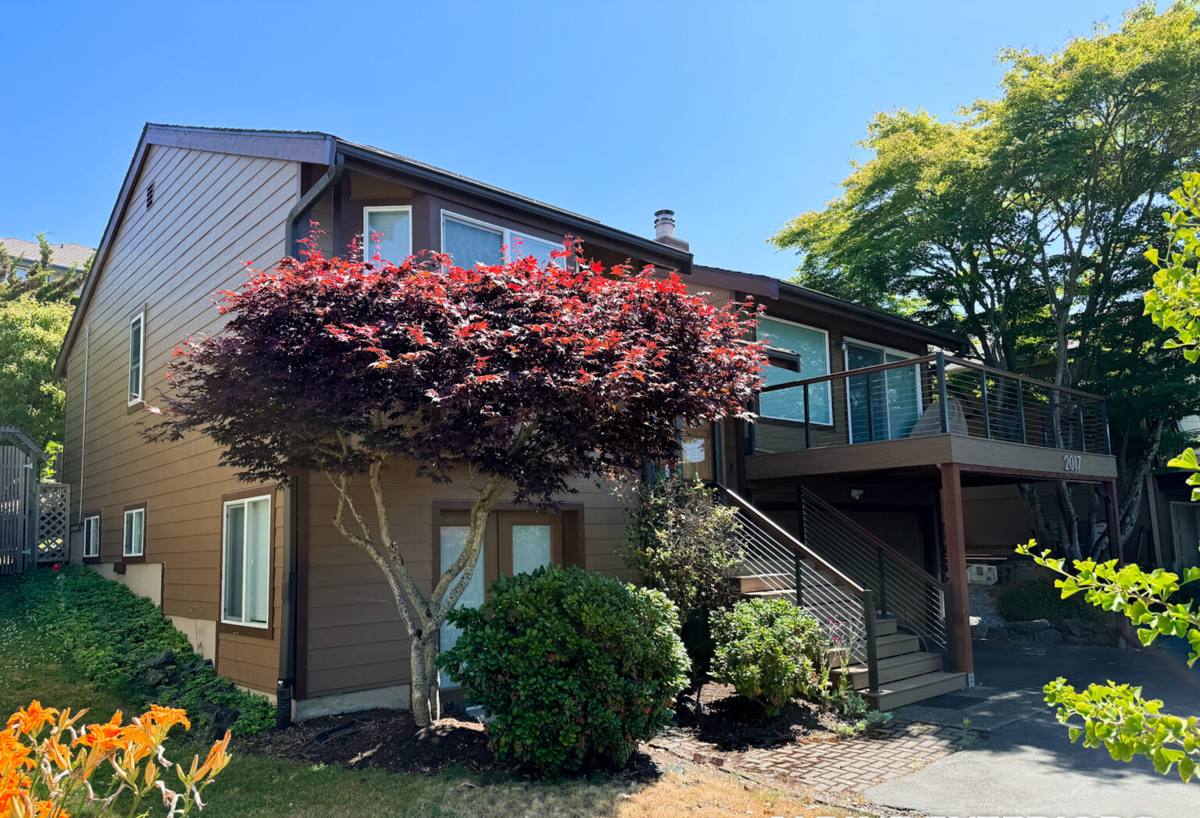
What Marietta's Climate Does to a Shingle Roof
Salt Air and Corrosion
Proximity to the bay means salt-tinged air reaches roof surfaces here more consistently than it does on inland Whatcom County properties. Salt air accelerates corrosion on unprotected metal — fasteners, flashing, and drip edge in particular — and a roof detailed with standard-grade hardware in a marine-adjacent location like Marietta tends to show rust and early metal fatigue well before the shingles themselves are due for replacement.
Driving Rain Off the Water
Open water and flat terrain give wind very little to slow it down before it reaches a roof. Rain here often arrives at an angle rather than falling straight down, which pushes water up under shingle tabs and into laps that would stay dry in a calmer setting. A roof that isn't detailed for wind-driven rain — proper shingle overlap, sealed nail patterns, and underlayment that backs up the shingle layer rather than just sitting under it — is more likely to develop leaks at the exact spots where installers cut corners.
A Long Moss and Algae Season
Persistent regional dampness, mild year-round temperatures, and plenty of shaded, north-facing roof area add up to a moss and algae season that runs long in this part of the county, and low-lying, humid ground near the water only extends it further. Left unaddressed, moss doesn't just stain a roof — it lifts shingle edges as it grows, holding moisture directly against the roof deck and accelerating the kind of hidden rot that's expensive to fix once it's spread.
Ground-Level Humidity and Ventilation Demands
Because Marietta sits low relative to the surrounding terrain, ambient humidity near the ground tends to linger rather than drain or dry out quickly. That has a real effect on attic ventilation needs: a roof assembly that can't move moist air out from underneath traps humidity against the deck from below at the same time weather is pressing in from above, which is a harder combination for a roof to handle than exposure to rain alone.
What Correct Asphalt Shingle Installation Involves
Getting a shingle roof right in Marietta isn't about a single premium product — it's about a handful of installation details that matter more here than they would on a sheltered, higher, drier lot.
Underlayment
Synthetic or self-adhered underlayment gives a roof a genuine second line of defense if wind-driven rain gets past the shingle layer, which happens more often on an exposed waterside roof than most homeowners realize. Older felt underlayment products don't hold up nearly as well against sustained moisture exposure, and on a property this close to the water, that gap in protection shows up sooner rather than later.
Fastening and Wind Rating
Nailing pattern and shingle wind rating both need to match actual site exposure, not a generic minimum. A roof facing open water with little windbreak calls for a tighter fastening pattern and a higher wind-rated shingle than a comparable roof tucked into a sheltered, tree-lined inland lot.
Flashing at Valleys, Chimneys, and Penetrations
The overwhelming majority of shingle roof leaks start at flashing, not in the open field of the roof. Valleys, chimney step flashing, vent boots, and skylight curbs all need corrosion-resistant metal and correct lap sequencing, especially given the salt exposure this area sees. A roof that looks complete from the ground can still be failing quietly at one of these joints.
Ventilation
Balanced intake and exhaust ventilation keeps attic moisture moving instead of settling against the underside of the deck. Given how long humidity lingers at Marietta's low elevation, ventilation upgrades are worth evaluating on almost any reroof here, not treated as an optional add-on.
Choosing the Right Shingle for a Marietta Home
| Shingle Type | Best Use | Why It Fits This Area |
|---|---|---|
| Standard 3-tab asphalt | Budget-conscious reroofs on simpler roof lines | Lower upfront cost, but offers less wind resistance and algae protection than architectural grades |
| Architectural (laminated) asphalt | Most single-family homes in this area | Heavier, multi-layer construction holds up better to wind-driven rain and gives a stronger warranty structure |
| Algae-resistant (AR) shingles | North-facing slopes and heavily shaded roofs | Copper- or zinc-infused granules slow the moss and algae growth that this area's long damp season encourages |
| High wind-rated shingle lines | Roofs with direct exposure toward open water | Rated for higher sustained wind speeds, matching Marietta's relatively unbroken exposure off the bay |
Color and brand preference are up to the homeowner, but for a Marietta property we generally steer toward architectural, algae-resistant shingles as the baseline, with a higher wind rating specified on roofs that face open water directly. It costs more than a bare-minimum 3-tab job, but it's a better match for what this specific site sees over a full year.
Repair, Partial Reroof, or Full Replacement
Not every roof problem on a Marietta home means starting over. The right call depends on the roof's age, how much of it is affected, and what's happening underneath the shingles.
- Repair: Makes sense for isolated damage — a section of wind-lifted shingles, a single failed flashing point, or storm damage to a small area — on a roof that's otherwise sound and not near the end of its expected life.
- Partial reroof: Can work when one slope, often the shaded north side, has failed well ahead of the rest of the roof due to moss and trapped moisture, while the remaining slopes are still in good condition.
- Full replacement: The right call when the roof is at or past its expected service life, when moisture has been tracking under the shingles broadly enough that deck damage is likely, or when patching would just delay a larger job by a year or two.
We'll tell you honestly which category your roof falls into rather than defaulting to the option that costs more.
How Our Process Works
We start with an in-person inspection, not a drive-by estimate or a satellite-image quote. That means getting on the roof to look at shingle condition, flashing, decking where it's accessible, and ventilation, and checking the attic side for signs of trapped moisture or existing leaks that haven't yet shown up as a stain on the ceiling below.
Inspection
We document what we find and explain it in plain terms — what's failing, what's still sound, and what caused the problem in the first place, since a leak's actual source is often a flashing detail rather than the shingle field itself.
Written Estimate
You get a detailed, itemized bid: tear-off scope, underlayment type, shingle product and grade, flashing work, and any ventilation changes, spelled out rather than bundled into a single vague number.
The Work Itself
Tear-off exposes the deck so we can catch and repair any hidden rot before new material goes down, rather than covering a compromised deck and letting the problem continue underneath. Underlayment, flashing, and shingles go on to spec for this site's actual wind and rain exposure, not a generic minimum.
Final Walkthrough
We walk the finished roof with you, cover what the warranty includes, and make sure the property is cleaned up — including a magnetic sweep for stray nails — before we consider the job done.
Cost Factors for Marietta Roofing Work
| Factor | What It Affects | Why It Matters in Marietta |
|---|---|---|
| Tear-off vs. overlay | Labor scope and ability to inspect the deck | Tear-off catches hidden moisture and rot damage more common under older roofs in this low, humid setting |
| Shingle grade and wind rating | Material cost and expected lifespan | Higher wind-rated, algae-resistant shingles cost more upfront but match direct exposure toward open water |
| Underlayment type | Water resistance beneath the shingle layer | Synthetic or self-adhered underlayment matters more on a roof that regularly takes wind-driven rain |
| Flashing scope | Valleys, chimneys, vents, skylights | Salt air accelerates corrosion on standard-grade flashing metal, so upgraded material is often worth it here |
| Ventilation upgrades | Attic moisture control and deck longevity | Ground-level humidity in this area makes balanced ventilation a bigger factor than on a higher, drier lot |
| Roof pitch and access | Labor time and staging needs | Waterside and low-lying properties can have soft ground or limited equipment access affecting staging |
Exact pricing depends on the specific roof, which is why we walk the property in person before giving a real number instead of quoting sight unseen.
Why a Local Crew Matters in Marietta
A crew that works this stretch of Whatcom County regularly understands how salt air, wind off the water, and a long moss season actually behave on real roofs here over a full year — not just how a shingle performs on a manufacturer's spec sheet. That experience shapes decisions on install day: where extra flashing attention pays off, which slopes need algae-resistant shingles most, and how tight a fastening pattern actually needs to be on a roof with this kind of open exposure. Marietta's low, waterside setting is different enough from a sheltered, higher inland lot elsewhere in Ferndale's service area that a one-size-fits-all approach doesn't hold up as well here, and a crew with real hands-on experience in this specific area treats that difference seriously.
Roof Readiness Checklist
- Shingles checked for curling, cracking, or granule loss, especially on south- and west-facing slopes
- North-facing and shaded slopes inspected for moss, algae staining, or lifted shingle edges
- Flashing at valleys, chimneys, and vent penetrations checked for rust, gaps, or separation
- Attic checked for daylight, staining, or musty odor indicating moisture intrusion
- Gutters and downspouts confirmed clear and properly pitched to move water away from the roof edge
- Fastener and drip edge condition checked for salt-related corrosion
What to Expect When You Call Us
Whether you're dealing with an active leak, a roof that's simply reaching the end of its expected life, or you just want an honest opinion on what a professional actually sees up there, we're glad to take a look. If your Marietta home needs asphalt shingle roof repair, a partial reroof, or a full replacement, reach out using the form below to schedule a free, no-pressure estimate.